FMI Shopper Trends 2026: The Store Aisle Still Anchors the U.S. Grocery Trip
Ten years of heavy investment in e-commerce have not dislodged the physical supermarket from the centre of U.S. grocery spending. That is the central message of U.S. Grocery Shopper Trends 2026, the annual study published by FMI – The Food Industry Association together with research partner The Hartman Group.
The report draws on a nationally representative survey of 2,023 shoppers conducted in February, supported by online ethnographic interviews. Its conclusion is that in-store shopping is not simply a habit consumers are slow to abandon, but a channel they actively value.
In-store remains the default channel
According to FMI, 54% of shoppers say they always buy in person when shopping at their primary store. Another 20% mostly shop in-store, and 15% divide their spending roughly equally between physical and online channels.
Asked what they would miss if in-person grocery shopping disappeared, respondents most frequently named the ability to pick products themselves (48%). Human connection and an enjoyable experience were each cited by 22%, ahead of in-store selection (21%), lower cost (20%), product discovery (17%) and ease of shopping (15%).
Self-selection matters most in perishables. Shoppers told researchers that examining produce and meat in person gives them a sense of control and confidence that substitution algorithms have yet to match.
What shoppers expect on the sales floor
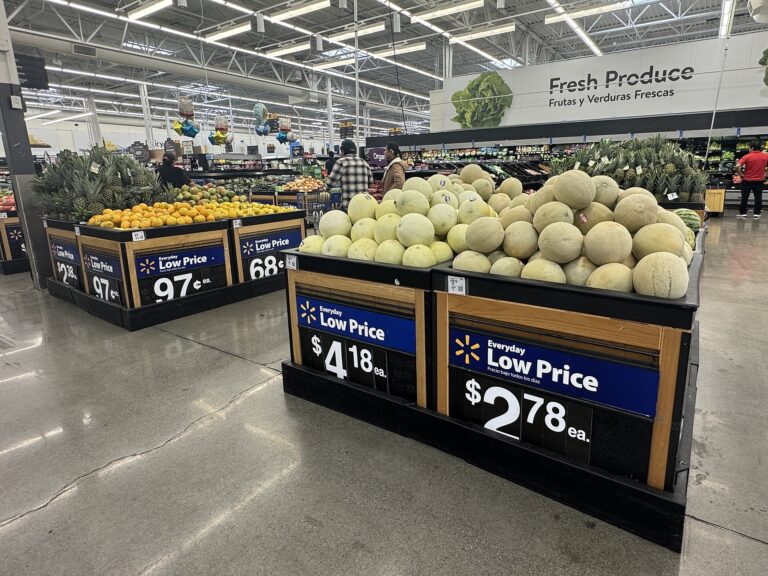
The study sets out a practical list of in-store priorities. Clean and orderly stores led at 73%, followed by the chance to inspect produce up close, an easy overall experience and simple navigation to aisles and departments, each at 69%.
FMI links these results to store design, noting that shoppers show stronger loyalty to stores deliberately built around their needs. For operators, that elevates execution fundamentals such as housekeeping, signage, produce condition and layout from overhead items to competitive levers.
Digital is part of the trip, not a replacement for it
The report avoids framing physical and digital channels as rivals. Roughly 77% of shoppers use digital tools before they shop and 71% do so while in the store. Retailer apps are the most common in-aisle tool, used by 54% of shoppers, followed by web searches (39%) and retailer or manufacturer websites (37%).
In practice, list-building, digital coupons, price comparisons and product research increasingly happen on a phone held in the aisle. The store visit itself, however, remains the point of purchase for most households.
Implications for retailers and suppliers
For grocers, the findings support continued investment in connected in-store capabilities, including accurate app-level inventory, aisle wayfinding and personalised offers redeemable at the shelf, rather than a wholesale shift toward fulfilment-led formats.
For CPG manufacturers, the persistence of in-store discovery keeps shelf placement, packaging and point-of-sale execution at the heart of trade strategy, even as retail media networks pull more budget online. Brands able to connect digital pre-shopping touchpoints with what shoppers actually see at the shelf are best placed to capture value.
There is also a workforce dimension. With more than one in five shoppers citing human connection, store associates remain part of the value proposition, which complicates labour-reduction strategies built around self-checkout and automation.
Outlook
The 2026 data suggests the next phase of grocery innovation will focus less on moving shoppers out of stores and more on making each visit faster, cleaner and better informed. Retailers that treat their apps and websites as extensions of the aisle, rather than substitutes for it, appear most closely aligned with how Americans actually buy food.
Sources & Credits
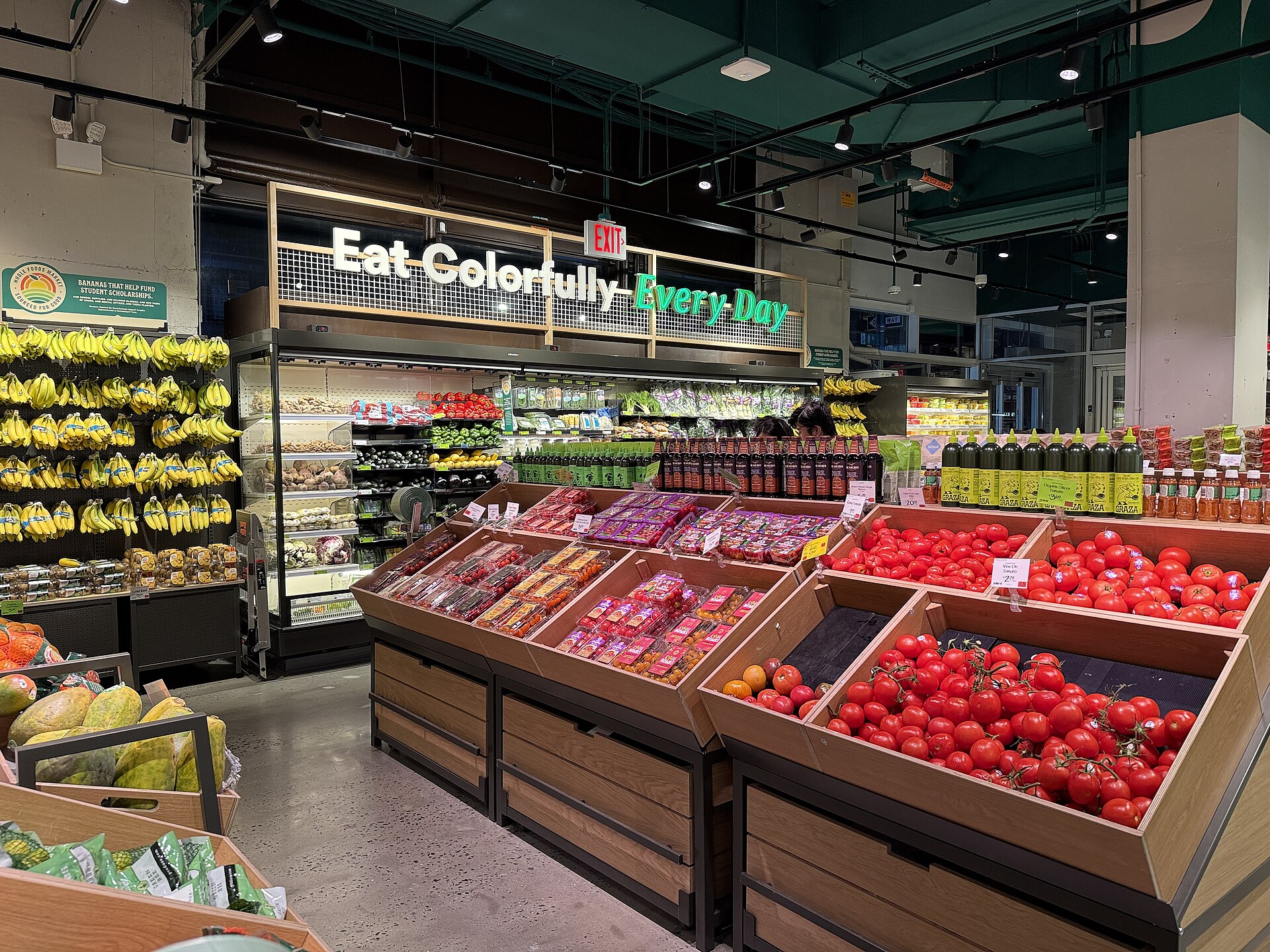
Featured image: Produce section of Whole Foods Market Daily Shop NYC by Nielsoncaetanosalmeron, via Wikimedia Commons (CC BY 4.0).
Reporting is based on the publicly available sources listed above and has been independently written by Food Tech Insider.