Protein and Fibre Move into the Mainstream Basket, Instacart Purchase Data Shows
Protein and fibre have moved from niche nutrition claims to mainstream shopping priorities, according to new purchase data from grocery delivery platform Instacart. The company compared orders placed in the first half of 2026 with the same period in 2025 and found both nutrients driving outsized growth across categories.
The analysis, distributed by Stacker, used definitions from sources including Mayo Clinic, Harvard’s Nutrition Source and Cleveland Clinic to determine which items qualify as high in protein or fibre.
Demand starts in the search bar
The share of Instacart searches containing the word “protein” rose 12.7% year on year. Searches for “fiber” grew faster, by 26.4%, albeit from a smaller base.
That intent is translating into baskets. Of the ten categories that gained the most share of items sold in the first half, eight are high in protein or fibre. Greek and Icelandic yoghurt (+8%) and whole eggs (+7%) led the list, alongside sweet potatoes (+28%), avocados (+6%), milk (+4%), protein drinks (+15%) and chicken breasts (+6%).
Tinned fish and snacking formats surge
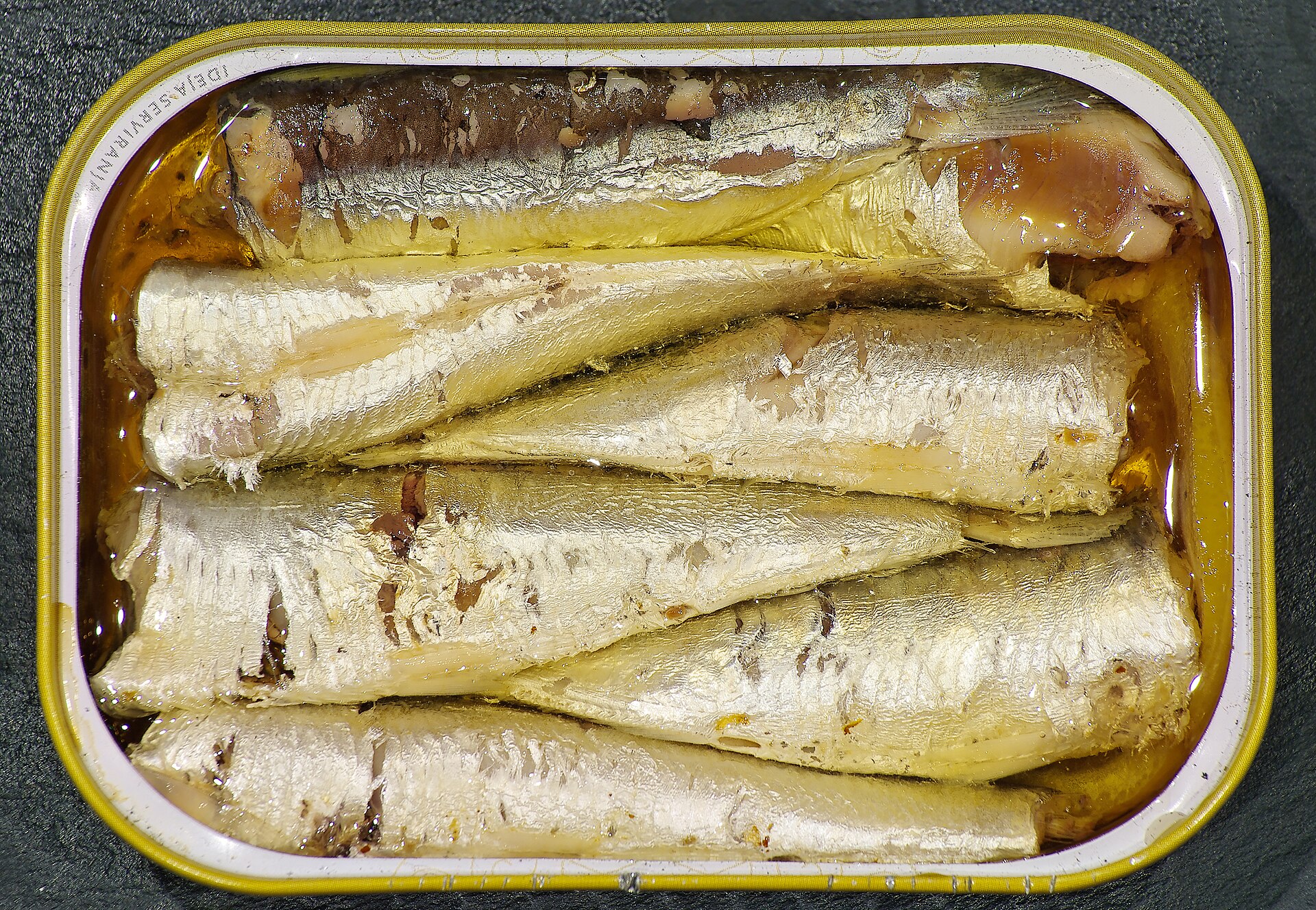
Canned sardines recorded the largest jump of any high-protein or high-fibre category, rising 51%, reflecting continued momentum behind premium tinned fish. Grab-and-go protein also grew, with protein bars up 9% and cottage cheese up 10%.
On the fibre side, frozen edamame rose 25%, dried prunes 23% and yams 20%. Instacart noted that fibre gains were spread across many aisles, from pears and pomegranates to chia seeds, pantry beans and frozen vegetables.
The “protein-ification” of the centre store
The most striking data concerns legacy brands adding protein to familiar formats. Cheerios Protein increased its share of the cereal category by 157% year on year, Eggo Protein Waffles by 101% and Protein Pints ice cream by 85%. Among protein products launched in late 2025, Pop-Tarts Protein grew 542% and Idahoan Protein Potatoes 87% between December 2025 and June 2026.
Retailers are reporting similar trends. Costco’s chief financial officer recently remarked that anything protein is performing extremely well, while Meijer has described fibre as the breakout nutrition goal of 2026.
Regional variation
Florida ranked first nationally for fibre purchasing and second for protein. Midwestern states including Iowa (+12%), South Dakota (+10%) and Nebraska (+9%) indexed strongly on protein, while Hawaii (-14%), California (-11%) and Alaska (-8%) trailed the national average. At city level, Austin bought 39% more fibre than the national norm and Lakeland, Florida, led on protein at 19% above average.
The GLP-1 connection
The data aligns with the growing use of GLP-1 medications, whose users are commonly advised to prioritise protein to preserve muscle mass and fibre to support digestion. Social media trends labelled “protein-maxxing” and “fibre-maxxing” have amplified the message to consumers who are not taking the drugs.
Implications for manufacturers and retailers
- Reformulation is now mainstream. Adding protein to cereals, snacks and frozen breakfast items is delivering measurable share gains for established brands.
- Fibre is the next frontier. Faster search growth from a lower base suggests fibre-forward innovation remains under-supplied relative to demand.
- Claims will face scrutiny. As protein and fibre callouts proliferate, regulators and consumers are likely to pay closer attention to serving sizes, sources and substantiation.
- Merchandising opportunities. Retailers can group high-protein and high-fibre items across categories to support mission-based shopping.
Outlook
Instacart’s figures reflect its own platform rather than the entire U.S. grocery market, but the direction is consistent with retailer commentary and other consumer research. For food companies, macronutrient positioning has become a core growth lever rather than a niche wellness play.
Sources & Credits
Featured image: Canned sardines with lemon by Pannet, via Wikimedia Commons (CC BY-SA 4.0).
Reporting is based on the publicly available sources listed above and has been independently written by Food Tech Insider.