Gen Z Treats Eating Out as an Occasion, YouGov Data Shows, With Fast Food Still the First Choice
For most young adults in Britain, eating out is no longer an everyday convenience but a deliberate occasion. New analysis from YouGov finds that 69% of Gen Z adults agree that eating out is a treat reserved for special moments, including 23% who agree strongly. Only one in five disagree.
The findings, drawn from YouGov Profiles data collected between August 2025 and August 2026 and weighted to be nationally representative of adults in Great Britain, offer restaurant operators a useful view of how the cohort balances budget discipline with an appetite for new experiences.
Occasion-driven, but adventurous
Treating meals out as special events does not make Gen Z conservative diners. Nearly three-quarters (74%) say they enjoy trying new foods and cuisines, with 29% strongly agreeing.
Menu breadth also matters. More than half (55%) believe restaurants should offer more vegan or vegetarian options, against 22% who disagree. The combination suggests that, when young consumers do spend, they want variety and dietary flexibility in return.
Accessible formats dominate
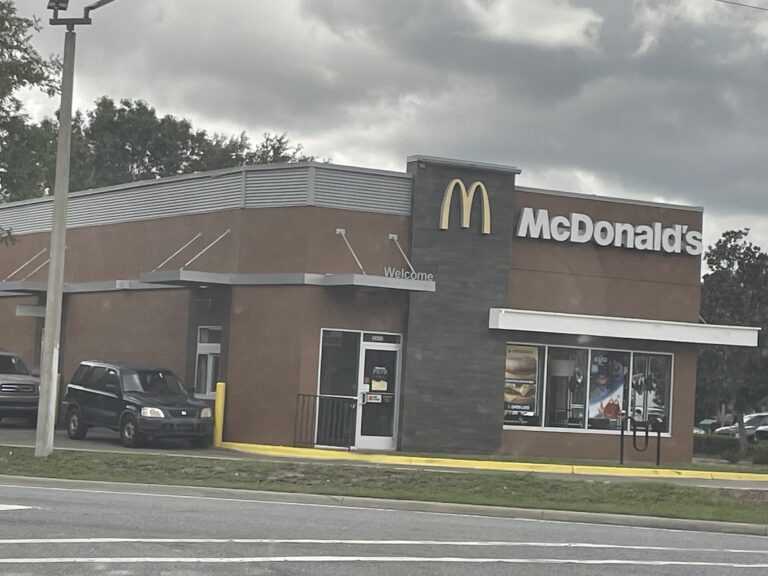
Fast food is the most frequently chosen restaurant type, selected by 53% of Gen Z adults, followed by casual dining at 43%. Independent restaurants attract 35%, ahead of cafés and bistros (31%), national chains (29%) and local or regional chains (28%). Restaurants specialising in ethnic or cultural cuisines are chosen by 23%.
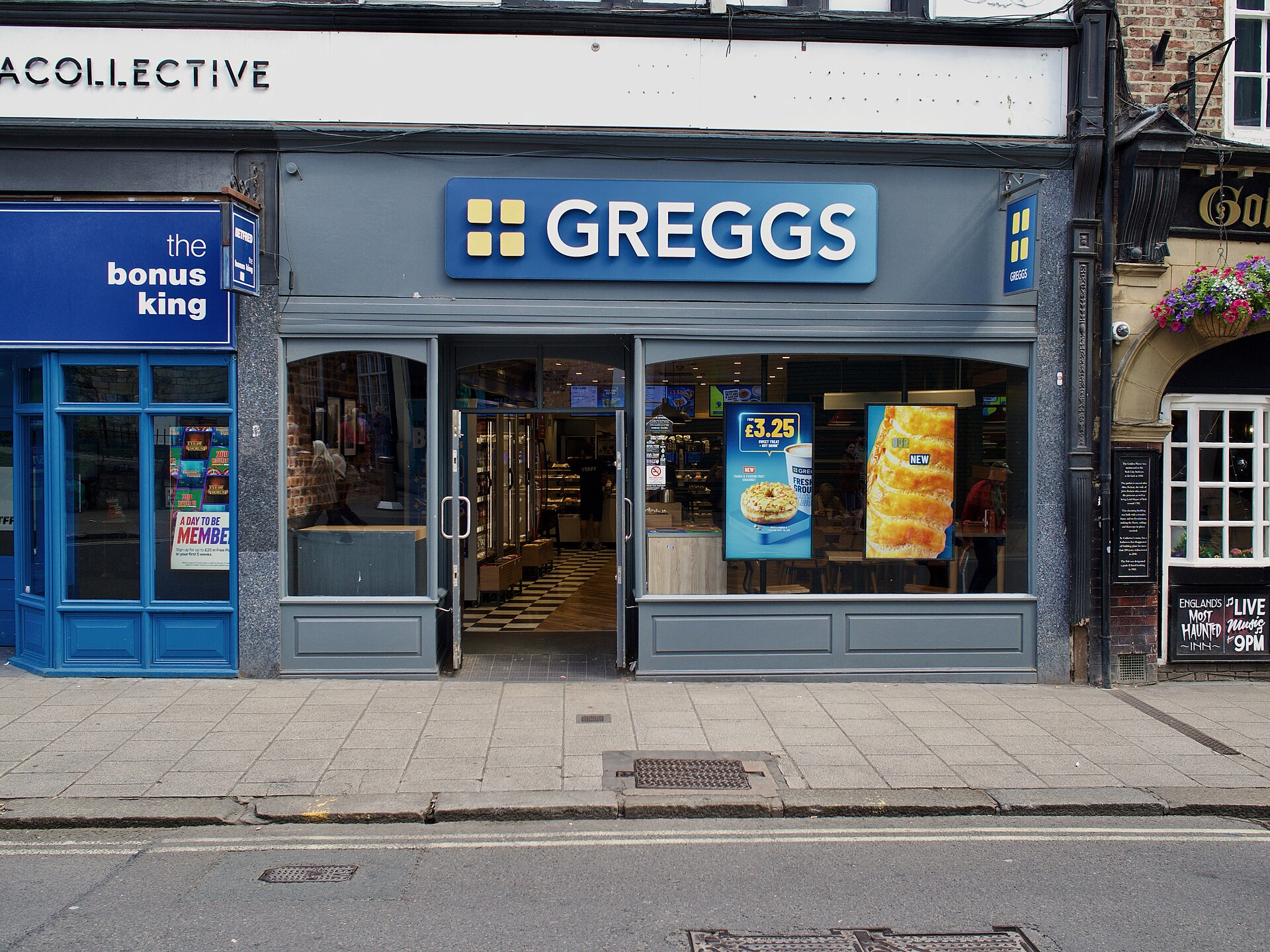
YouGov’s BrandIndex tracker, covering 1 January to 16 August 2026, shows McDonald’s leading purchase intent among UK Gen Z adults at 16.9%, followed closely by Greggs at 14.1%. A clear gap separates them from the rest of the top ten: KFC (6.6%), Domino’s Pizza (6.2%), Subway (4.7%), Pret A Manger (3.8%), Burger King (3.4%), Taco Bell (3.0%), Wingstop (2.2%) and Itsu (2.1%).
Greggs’ strong second place underlines the appeal of low-ticket, grab-and-go bakery formats to a price-conscious generation.
Word of mouth beats advertising
Personal recommendations remain the most powerful discovery channel. Some 59% of Gen Z adults find new restaurants through friends or family, almost double the share who rely on online reviews (30%).
Physical and digital exploration carry equal weight: 43% discover venues by exploring their local area and the same proportion through social media. Traditional advertising lags far behind at 13%, level with food blogs and websites.
What it means for operators
The data points to several practical priorities for restaurant and QSR brands targeting younger consumers:
- Design for the occasion. If a visit is a treat, the experience must justify the spend. Limited-time menu items, shareable formats and visual presentation support that perception.
- Invest in advocacy. With recommendations outweighing paid media, referral incentives, loyalty mechanics and content that customers want to share are likely to deliver better returns than broad advertising.
- Broaden the menu thoughtfully. Majority support for more plant-based choices indicates that well-executed vegetarian and vegan options can widen appeal without alienating core customers.
- Protect value cues. The dominance of fast food and bakery formats shows that price accessibility remains a gatekeeper, even for a cohort keen to experiment.
Outlook
Although the research covers Great Britain, the pattern of value-conscious, discovery-led dining is consistent with trends reported in other mature markets. For operators, the challenge is to combine affordability with enough novelty and social currency to win a share of Gen Z’s less frequent, but more deliberate, restaurant visits.
Sources & Credits
Featured image: Greggs Pavement York Apr26 by Malcolmxl5, via Wikimedia Commons (CC0 1.0 public domain dedication).
Reporting is based on the publicly available sources listed above and has been independently written by Food Tech Insider.