Millow Closes €2 Million Round to Bring Oat-and-Mycelium Protein to Nordic Foodservice
Swedish food startup Millow has closed a €2 million (approximately $2.3 million) funding round to take its fermented oat-and-mycelium protein from pilot scale to commercial supply, with first deliveries to customers expected within months, according to AgFunderNews.
The round was led by Magnus Emilson, founder of hospitality software provider Visit Group and co-founder of ESS Group, with participation from Jan Enhager, co-founder of nutrition company Vitamin Well Group, and other undisclosed investors.
A converted LEGO hall becomes a fermentation plant
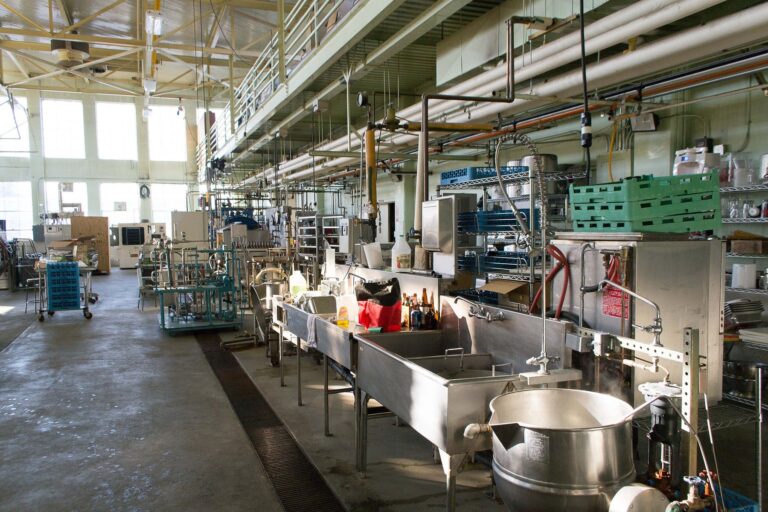
The capital will fund the expansion of Millow’s production site in Stenkullen, near Gothenburg, which occupies a former LEGO manufacturing hall. Chief executive Fredrik Öhrn, a former Sodexo executive who joined the company in March, said equipment installation is complete and testing is under way.
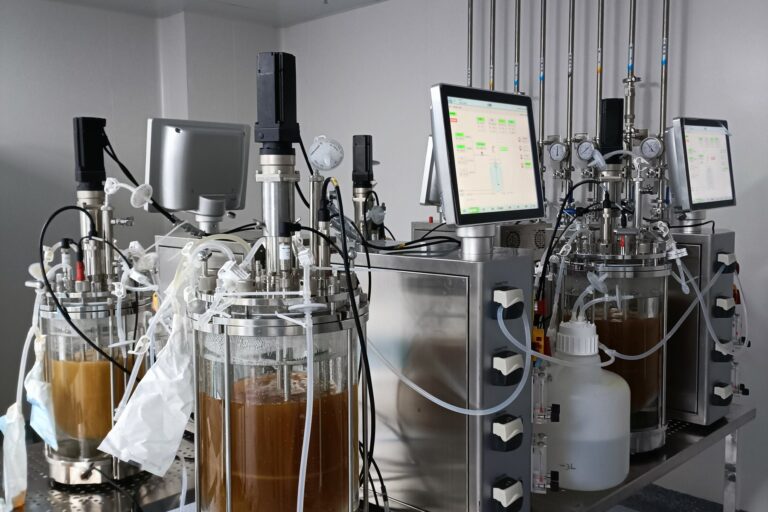
Millow plans to run three of its proprietary fermentation units, which it calls S-units, by year-end, giving combined capacity of more than 430 tonnes a year. The company expects to approach 90% utilisation in late 2027, and the building has space for three additional units, allowing capacity to double without a new facility.
Solid-state fermentation without binders
Millow’s process differs from the liquid-fermentation route used by established mycoprotein producers. Mycelium is grown directly on Swedish oats and psyllium in a dry, solid-state process lasting 16 to 24 hours. As the fungus grows through the oat matrix it forms a fibrous, meat-like structure, so the fermented mass itself becomes the finished food without added binders or additives.
The resulting product is roughly half fungi and half plant material. Öhrn cited initial protein content of 14%, with scope to reach 20%, plus 7.6% fibre. The company argues the approach requires less water, energy and capital expenditure than processes that need extensive downstream texturisation.
The underlying technology originates from bioprocess research at the University of Borås in Sweden.
Foodservice first
Rather than competing for retail shelf space in a plant-based meat category that has struggled with repeat purchase, Millow is targeting professional kitchens. Öhrn said the strongest demand currently comes from public-sector catering and restaurant chains seeking mince and ready-to-use formats.
The company highlights three selling points for that channel: an allergen-free profile, a short clean-label ingredient list, and growing pressure on caterers to report and reduce Scope 3 emissions. The product can also be blended with conventional meat, opening a hybrid route for operators that want to reduce meat content without changing menus.
Chefs, Öhrn noted, care primarily about taste, texture that holds up through boiling, frying and baking, and reliable supply, rather than headline protein figures.
A longer-term platform play
Beyond oats, Millow says its platform can ferment other plant materials, including food industry side streams such as brewers’ spent grain, rapeseed press cake and okara from oat drink production. The company is working with an international industrial partner on side-stream fermentation and sees potential for a licensing model in which partners operate the technology locally and pay a fee per kilogram.
Management is clear, however, that the immediate priority is proving the commercial food business in the Nordic market before pursuing licensing.
Industry view
Millow’s strategy reflects a broader shift among alternative protein startups toward lower-capex processes, whole-food positioning and B2B channels where procurement is driven by cost, functionality and sustainability reporting rather than consumer novelty. Its next milestone will be demonstrating consistent quality and competitive pricing as the Stenkullen plant ramps up through 2027.
Sources & Credits
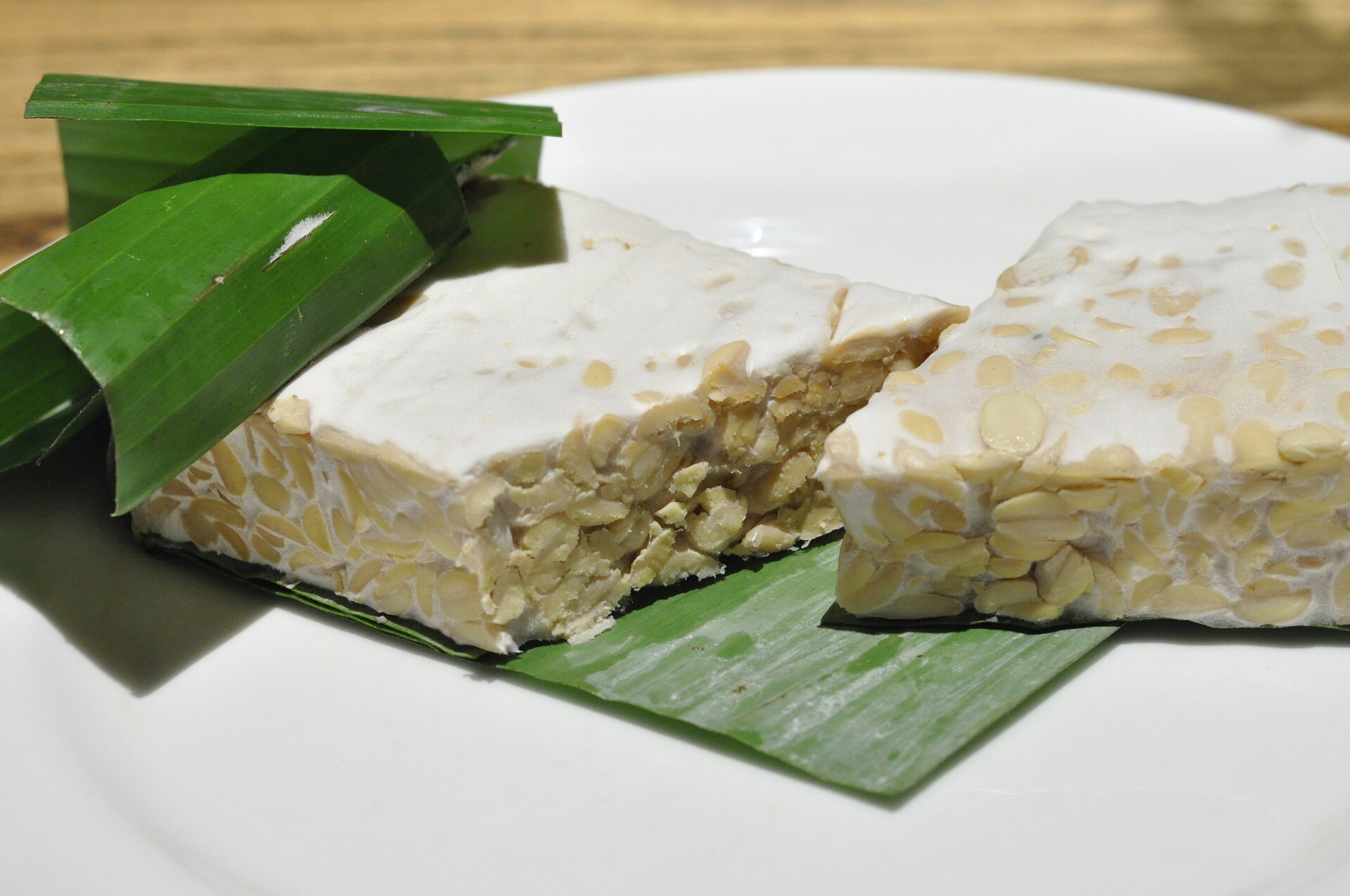
Featured image: Tempeh 003 by Ocdp, via Wikimedia Commons (CC0 1.0 public domain dedication).
Reporting is based on the publicly available sources listed above and has been independently written by Food Tech Insider.