Dining Traffic Slips 2.4% in August as Value Menus Struggle to Win Back Price-Weary Diners
U.S. restaurant traffic weakened again in August, adding to evidence that price-conscious consumers are shifting more of their food spending back to the home kitchen. Location analytics firm Placer.ai reports that visits to dining chains fell 2.4% year on year during the month, while brick-and-mortar retail visits rose a modest 0.3%.
Calendar effects and real pressure
Part of the decline reflects timing. Labor Day fell on 1 September in 2025, placing the start of the holiday weekend in August; in 2026 the holiday shifted to 7 September. August 2026 also exchanged a Friday for a Monday compared with last year, a change that weighs more heavily on restaurants than on retail.
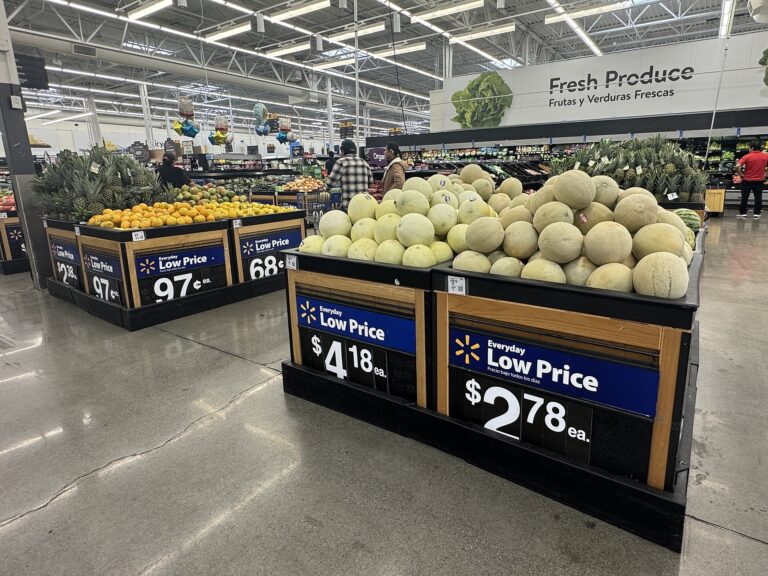
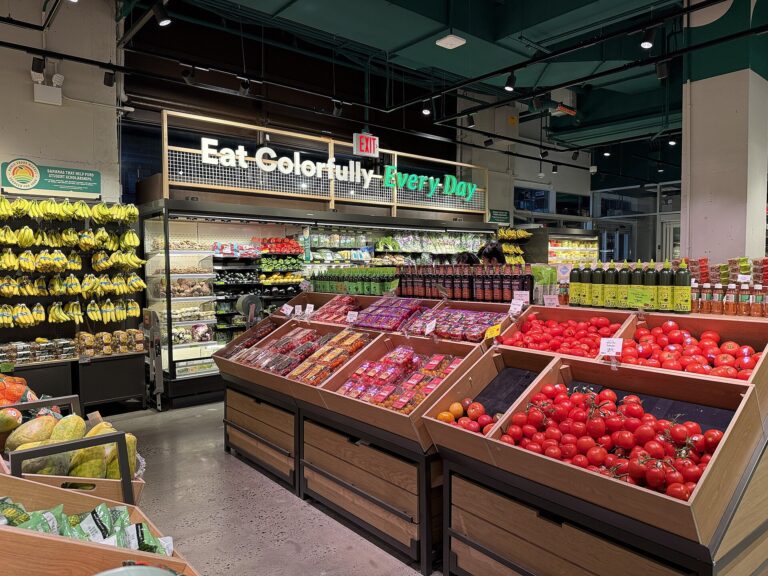
Macroeconomic conditions, however, played a clear role. Placer.ai notes that average U.S. gasoline prices remained above $4 a gallon throughout August, and consumer sentiment softened from July. The August Consumer Price Index showed food-away-from-home prices up 3.4% year on year, compared with 2.2% for food at home, a gap that continues to favour grocery over restaurants.
The weakness was broad. Dining visits fell in nearly every state, and even California, the strongest market, recorded growth of only 0.3%.
Quick-service chains feel the squeeze
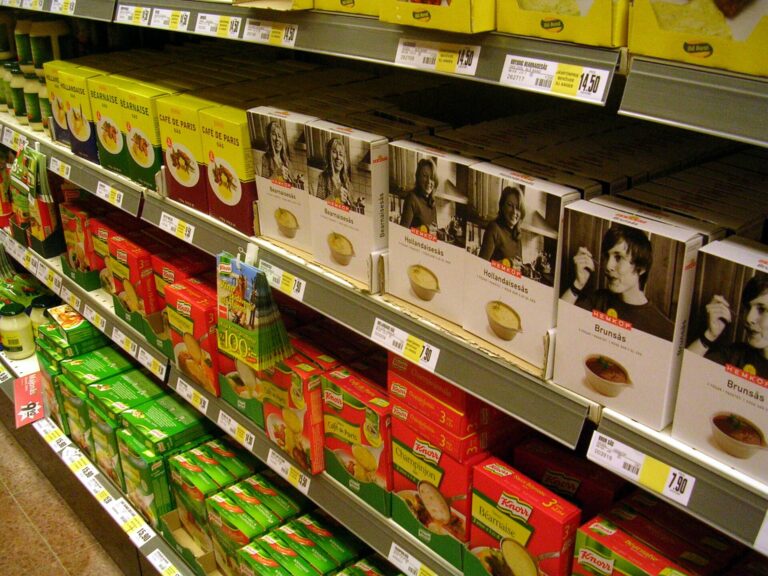
The August figures follow a difficult summer for the quick-service segment. U.S. QSR traffic declined 1.3% over the first seven months of 2026, according to industry data cited by Kalkine. Over the past decade, fast-food prices have risen cumulatively by 15 to 20 percentage points more than grocery prices, encouraging lower-income customers to eat at home more often. Supermarkets and convenience stores have also expanded ready-meal ranges, intensifying competition.
McDonald’s illustrated the challenge in its second-quarter results. U.S. comparable sales grew 0.8%, below analyst expectations and well short of the 2.5% recorded a year earlier. Chief executive Chris Kempczinski attributed the shortfall to execution, citing weak promotion of value offers and a pullback in digital deals, which reduced visits from loyal customers and accounted for around two-thirds of the traffic gap.
The company’s McValue platform, expanded in April with an under-$3 menu and a $4 breakfast meal, generated less incremental traffic than expected. McDonald’s named Skye Anderson, previously chief operating officer of McDonald’s USA, to lead the U.S. business and has begun restoring national digital offers and targeted loyalty promotions. Its new beverage platform, by contrast, is running ahead of plan and lifting average spend per visit.
Beyond discounting
Across the sector, chains have combined limited-time value deals with social media campaigns and fan-inspired menu items, with limited lasting effect on traffic. Some operators are pursuing more structural changes, including broader chicken menus, which carry lower input costs than beef, and new beverage partnerships designed to capture additional dayparts.
What operators should watch
- The price gap with grocery. As long as restaurant inflation outpaces food-at-home inflation, value messaging alone will struggle to change behaviour.
- Execution of digital offers. McDonald’s experience shows that loyalty and app-based deals now underpin a large share of frequency among core customers.
- Competition from retail foodservice. Grocery and convenience ready meals are capturing occasions that once belonged to QSR.
- Beverage and snack dayparts. Drinks and afternoon occasions offer growth at higher margins than discounted meals.
Outlook
September results will show how much of August’s weakness was calendar-driven. Even allowing for that, the data indicates that restaurant operators face a consumer who is selective, deal-aware and increasingly willing to substitute a supermarket meal for a restaurant visit.
Sources & Credits
- Placer.ai – August 2026 Retail and Dining Index
- New York Post / Reuters – McDonald's US sales miss estimates
- Kalkine – Fast-food chains turn to value deals as US traffic declines
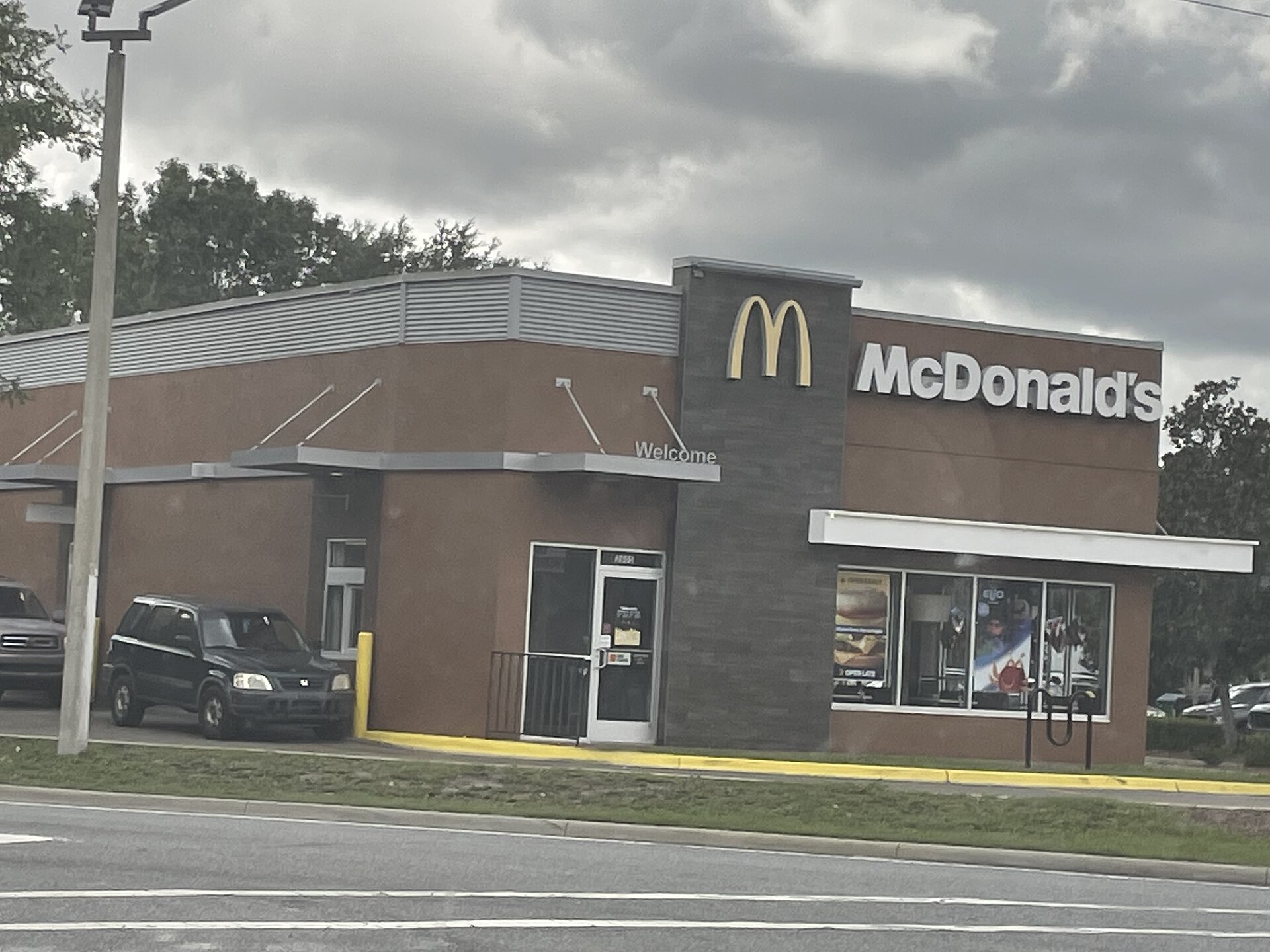
Featured image: McDonald’s – Crawfordville, FL – Crawfordville Hwy by Winnebaggo, via Wikimedia Commons (CC0 1.0 public domain dedication).
Reporting is based on the publicly available sources listed above and has been independently written by Food Tech Insider.