Worldpanel: GLP-1 Drugs Cut UK Grocery Spend by £1BN as Household Use Hits 8.5%, With Crisps Down 15% and Frozen Ready Meals Up 30%
GLP-1 weight-loss medication has now taken more than £1 billion out of British grocery spending, according to the fourth wave of research from Worldpanel by Numerator. The proportion of British households with a GLP-1 user rose from 6.3% in February to 8.5% in August 2026, and an estimated 2.6 million adults in Great Britain now use the drugs.
The grocery impact has grown from £780 million in June to more than £1 billion, with 415 million fewer packs purchased. Worldpanel says that equals £389 a year displaced from the basket of each user household, measured against comparable non-user homes. The latest wave was based on a sample of 9,629 households.
Pills and male users are accelerating uptake
Growth is speeding up. Between February and August 2026, user numbers rose almost as much as in the whole of the previous year. Two shifts stand out for food and drink manufacturers:
- Oral GLP-1s: pills received approval from the Medicines and Healthcare products Regulatory Agency (MHRA) only in June 2026, but already account for 11.2% of users.
- Men: male users now make up 32% of the total, up from 23% in February, a near doubling from 440,000 to 830,000 people.
“GLP-1 users are now found in as many British homes as some of Great Britain’s best-known food and drink brands, and growth is accelerating,” said Nishita Pattni, senior consultant at Worldpanel by Numerator. “For many people, a daily pill is far easier than an injection, and with the surge in male users, we only expect the appeal of these drugs to grow.”
For context, 8.5% household penetration matches the combined share of households with vegetarians and pescatarians, and is comparable to the share buying Corona beer (8.4%) or Kellogg’s Rice Krispies (8.6%). Worldpanel expects GLP-1 usage to pass 10% of British households in 2027.
Category winners and losers
The research indicates the shift is not simply about buying less. Overall spend and volumes are falling at a similar rate, but the mix is changing sharply:
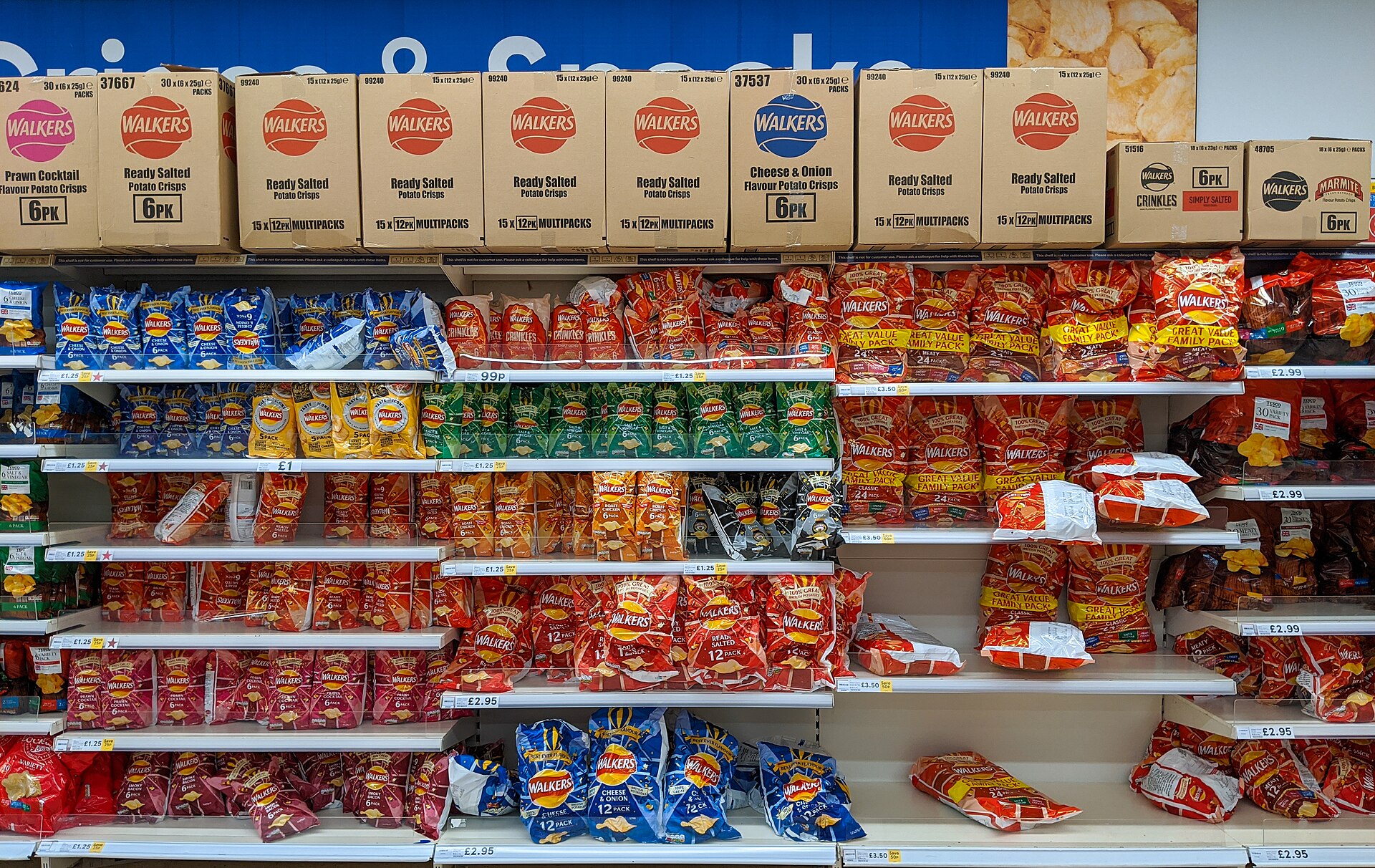
- Impulse and indulgence lose out: alcohol spending among user households has fallen 15% more than in non-user homes, and spending on crisps is down 15%.
- Portion control gains: frozen ready meals are up 30% in volume.
- Small comforts hold up: hot chocolate and malt drinks recorded spending growth of 22% and volume growth of 16%.
Some of the money leaving grocery is moving elsewhere. GLP-1 users spent £78 million more than expected on health and beauty products in the first year after starting treatment, and 30% reported spending more on clothing and footwear.
What manufacturers and retailers should take from it
Chantel Kennaugh, head of public sector and nutrition at Worldpanel by Numerator, argued that the story is not only about decline. “From a grocery perspective, this new audience is being more mindful about what and how they eat. The key for retailers is how to support them, without isolating them,” she said. “This might be as simple as producing clear labels that highlight nutrients like high protein or ensuring ranges are available in smaller portion sizes.”
She added that GLP-1 adoption “is not a flash-in-the-pan trend, but a seismic change that requires retailers and manufacturers to re-think their strategies.”
The UK data echoes patterns seen in the US, where Numerator has tracked how GLP-1 households shift spending between fast food and grocery, and where packaged food majors such as Kraft Heinz are reworking innovation pipelines around protein, fibre and lower sugar.
Implications for food product development
For product developers, the category data points to several practical priorities: smaller, portion-controlled formats; frozen and chilled convenience meals that fit reduced appetites; and on-pack nutrition signalling for protein and fibre. Snack and alcohol brands most exposed to impulse purchasing face the sharpest pressure, while comfort categories that deliver small, controlled treats appear more resilient.
With pill formats lowering the barrier to entry and male uptake rising quickly, the size of the GLP-1 shopper segment in Britain is likely to keep growing. That makes reformulation, pack-size architecture and nutrition labelling a planning issue for 2027 ranges rather than a niche concern.
Sources & Credits
- Food Manufacture – GLP-1 drugs slash £1BN from UK grocery spend as household uptake surges (19 Nov 2026)
- Yahoo Finance – GLP-1 drugs take £1bn bite from Britain grocery spending (19 Nov 2026)
- FoodNavigator – Male users and pill format driving growth in GLP-1 use (19 Nov 2026)
- Worldpanel by Numerator – GLP-1 agonists: the next big disruptor in society
Featured image: Tesco Supermarket (Crisps) by Vauxford, via Wikimedia Commons (CC BY-SA 4.0).
Reporting is based on the publicly available sources listed above and has been independently written by Food Tech Insider.