Numerator: Lapsed GLP-1 Households Cut Fast-Food Spending 4.6% as Grocery Recovers, but Campbell’s, Hormel and Utz Keep Losing Spend
When US consumers stop taking GLP-1 weight-loss drugs, their grocery spending recovers more than their fast-food spending, new data from Numerator shows. For packaged food manufacturers, the analysis adds a caveat: a better grocery trend among former users does not mean every brand gets its sales back.
The Chicago-based consumer data firm estimates that 12.3 million US households include a lapsed GLP-1 user, and that these households account for more than US$166 billion a year in grocery and fast-food spending.
Fast food falls further after treatment ends
In the 12 months to 30 September 2026, spending per household at limited-service restaurants fell 4.6% year on year among former GLP-1 users. That is a steeper drop than the 3.4% decline among active users. “Fast-food spending remains under pressure even after GLP-1 treatment ends,” Numerator said.
Among the chains Numerator singled out, spending per household from lapsed users fell:
- Subway: down 15%
- Arby’s: down 6.8%
- Domino’s: down 4.5%
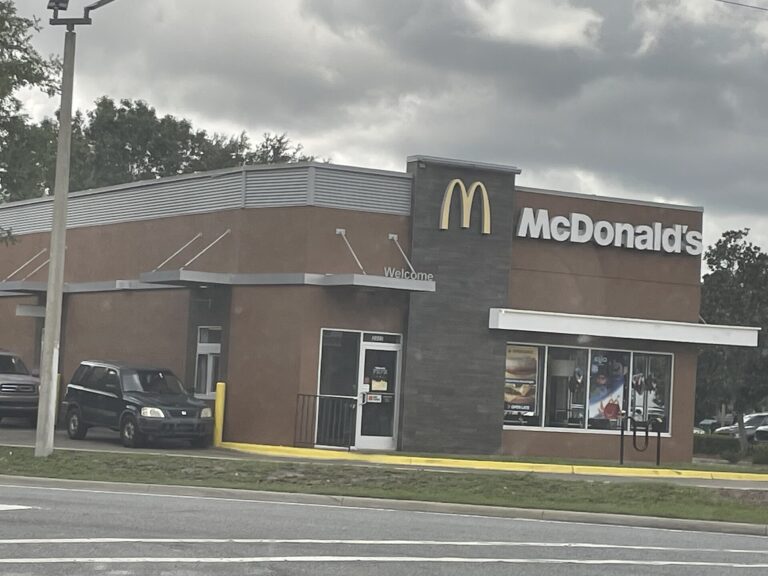
- McDonald’s: down 1.8%
Numerator said all four chains saw steeper declines among lapsed-user households than among active-user households.
Grocery recovers, with Costco and Target ahead
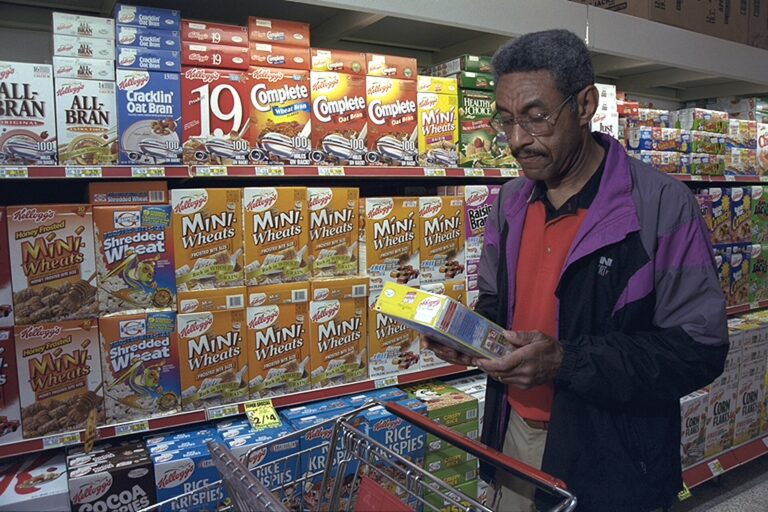
Grocery spending shows the opposite pattern. Households with a lapsed user cut grocery spending by 1.8%, compared with a 2.6% decline for households with an active user. At several large retailers, former users spent more than active users did:
- Costco: up 3.2% for lapsed-user households, against a 1.6% decline for active users.
- Target: up 0.3% for lapsed users, against a 3.9% decline for active users.
- Albertsons: down 0.4% for lapsed users, against a 6% decline for active users.
- Walmart: spending among lapsed-user households rose 1.3%.
Some CPG brands keep losing these households
Food manufacturers did not share in the recovery. Numerator said spending from lapsed-user households fell 6.6% for Campbell’s, 4.8% for Hormel and 4.3% for Utz over the same period. “The contrast suggests that a stronger grocery-spending trajectory among lapsed users does not necessarily translate into recovery for every manufacturer,” the firm said.
For brand owners, the data points to a lasting change in what goes into the basket, not just in how much is spent. Earlier Numerator tracking found that active GLP-1 users shift away from pantry staples and “carb-centric” goods toward protein- and fibre-rich products, seafood, functional nutrition and more intentional snacking. Categories built on indulgent or convenience staples may not recover even after shoppers return to the grocery store.
How long the changes last
How long these shifts last is still unclear. Sherry Frey, vice president of Total Wellness at NielsenIQ, told Grocery Dive that shopping habits hold for the first few months after people stop the medication, but by six to 11 months they “largely converge back toward non-user norms.” Numerator’s 12-month figures for Campbell’s, Hormel and Utz suggest that some manufacturers are not yet seeing that convergence.
Retailers are responding in different ways. Hy-Vee runs a six-week wellness programme with registered dietitians that aims to build habits people keep after they stop the medication. CEO Jeremy Gosch said at Groceryshop in September that GLP-1s help people eat less but do not change what they eat. Other grocers, including The Giant Company, ShopRite and Costco, have added GLP-1-focused store tours, wellness kits and protein-forward private label products.
Methodology
Numerator’s quarterly GLP-1 tracker measures adoption, usage and sentiment. Its latest survey wave had more than 95,000 responses, which Numerator pairs with verified longitudinal purchase data from its Total Commerce panel covering shoppers at more than 50,000 retailers.
What to watch
- QSR menus: whether chains with the steepest declines among lapsed users, especially Subway, respond with smaller portions, higher-protein items or value offers aimed at former users.
- CPG reformulation: whether soup, shelf-stable meat and salty-snack makers speed up protein, fibre and portion-control work to win back lapsed-user households.
- Retail positioning: whether Costco’s and Target’s gains with former users keep growing as more households stop the medication.
Sources & Credits
- Food Business News – End of GLP-1 use shows two food spending stories (2 Nov 2026)
- Grocery Dive – Are grocers ready to help shoppers getting off GLP-1s? (28 Oct 2026)
- Numerator – The Evolution of GLP-1 Users
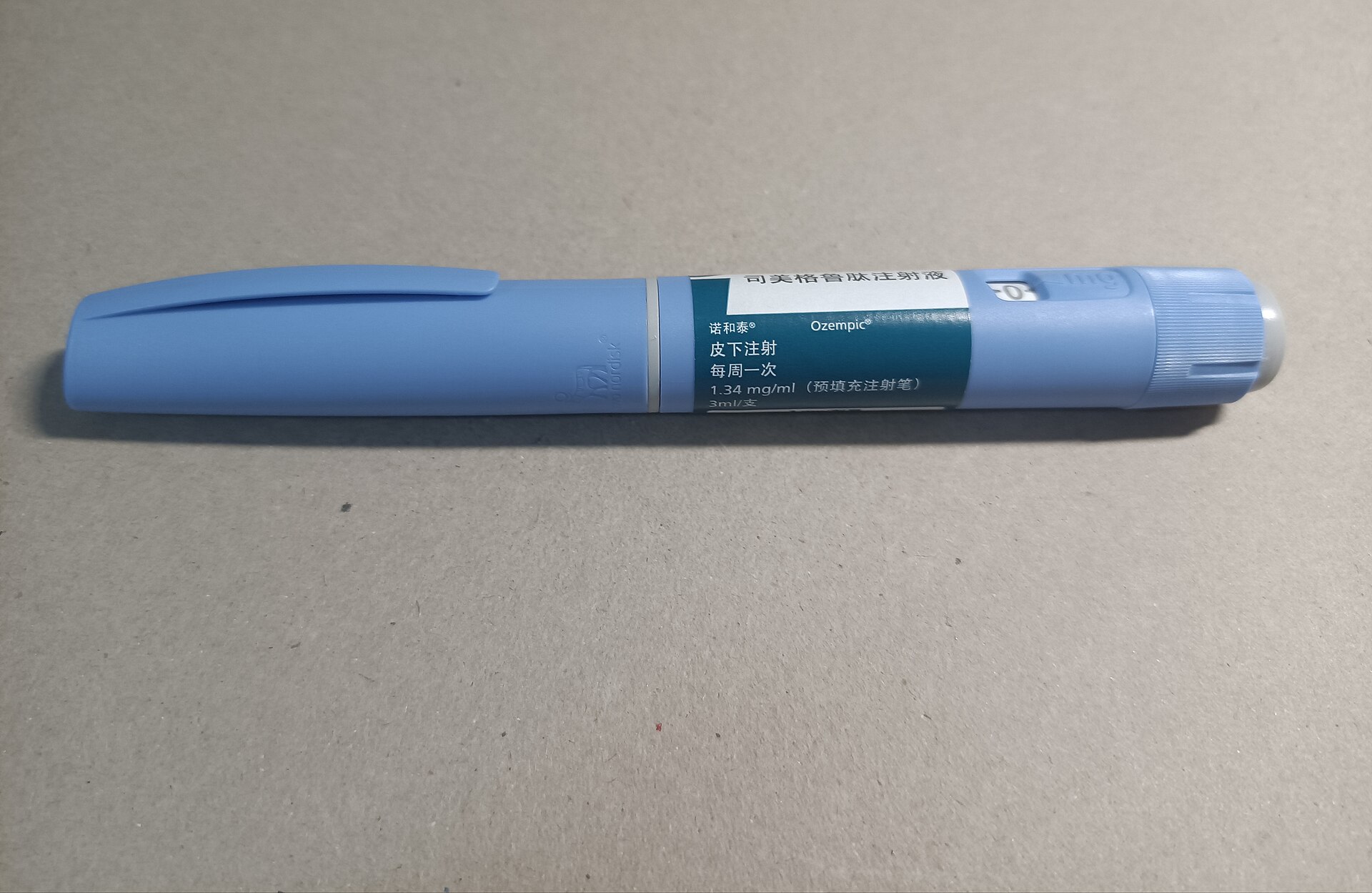
Featured image: Ozempic semaglutide injection pen by HualinXMN, via Wikimedia Commons (CC BY-SA 4.0).
Reporting is based on the publicly available sources listed above and has been independently written by Food Tech Insider.