Danone Study of 42,000 Consumers Finds Gut Health and Digestive Comfort Drive Plant-Based Dairy Demand, Pointing Alpro and Silk Toward Fibre-Rich GLP-1 Products
Health, not taste, is the single biggest reason consumers buy plant-based dairy alternatives, and digestive comfort is the attribute that recurs most often across markets. That is the main finding of new Danone-backed research. The dairy group, which owns Alpro and Silk, surveyed 42,000 adults in 14 countries with Ipsos. For manufacturers already reformulating around GLP-1 weight-loss drugs, the results point toward fibre-enriched, gut-friendly products in oat, almond and soy formats.
The work was published in the journal Food Quality and Preference and reported this week by FoodNavigator and Green Queen. It is built on two studies. The first was a global consumption and motivation survey of adults aged 18–65 in the US, Canada, the UK, Germany, Italy, Spain, the Netherlands, Belgium, France, Poland, Hungary, Sweden, Mexico and Japan. The second asked more than 2,500 regular plant-based drink users in the US, UK and Germany how far they agreed with statements about product benefits.
Health outranks taste as a purchase driver
More than half of respondents (55%) said they consume plant-based dairy alternatives, and 42% were frequent users, eating or drinking them at least once a week. When asked why, 42% cited health. Taste came second at 35%, followed by naturalness (34%) and digestive comfort (32%). FoodNavigator reported that digestive comfort “consistently stood out across countries and consumer groups.”
Health-motivated buyers were most common in Japan (59%), the UK (50%), Spain and the US (49% each), and France and Hungary (45% each). They skewed older, aged 45–65, and female, and were more likely to describe themselves as flexitarian. According to Green Queen, gut health support was the top health motivator in this group (25%), ahead of protein content (20%), micronutrients (18%) and fibre (16%).
“Light on the stomach” is the claim consumers recognise
The second survey suggests the digestive message is already landing. Among regular plant-based drink users in Germany, the UK and the US, 92% agreed the products are “easy to digest”, and 88% said they are “light on my stomach” and “gentle on my stomach”. Among consumers who chose dairy alternatives specifically for digestion, 35% described them as “not heavy” and 27% pointed to their being naturally lactose-free.
Omnivores and flexitarians were more likely to cite digestibility as a reason to buy. The study authors read this as evidence that these products add diversity to the diet rather than fully replacing dairy, a distinction that matters for brands positioning products alongside, not against, conventional milk.
Format and channel data
Yoghurt alternatives were the most widely consumed category (61% of users), ahead of plant-based drinks (59%). In the US and Canada, 47% of users reported buying alternative creamers and 40% plant-based ice cream. Oat drinks led in the UK (50%) and Germany (76%), while almond was the most consumed drink in the US (58%). In the UK and Germany, plant-based drinks were mostly used with cereal (36%) or in coffee (33%). Only 20% drank them plain.
Gen Z (63%) and millennial (62%) respondents showed the highest consumption, as did people with allergies or digestive issues and those reporting financial ease.
The GLP-1 read-across
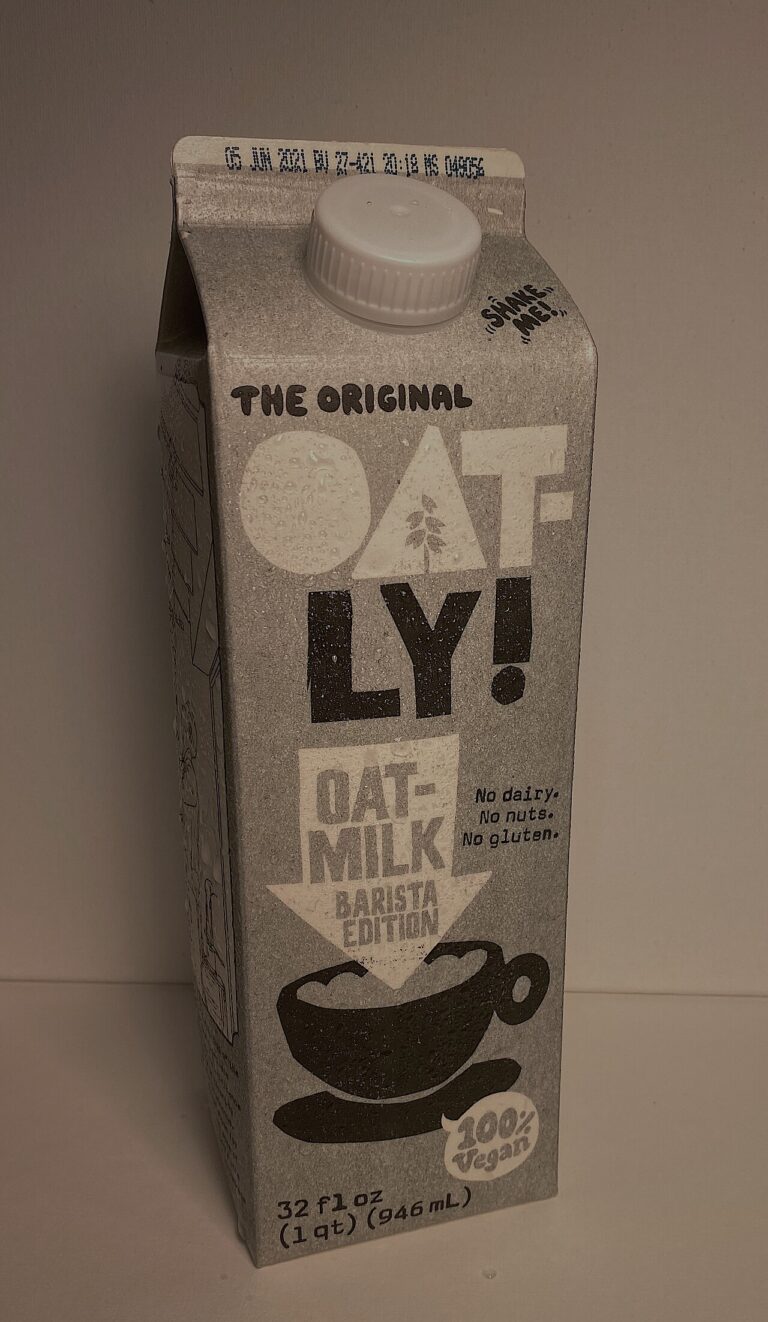
The findings arrive as GLP-1 medications reshape grocery baskets. Green Queen cited Boston Consulting Group estimates that active GLP-1 users plan to spend more each month on high-protein foods (+11%), fibre (+10%) and functional fibre products (+8%). Plant-based dairy brands have already moved toward fibre. Over the past year Oatly has launched high-fibre oat drinks in China and Europe, and fibre-fortified oat and almond milks have appeared from Plenish, So Good and Boring.
Danone has been building in the same direction through its acquisitions of Kate Farms and Huel, both protein- and fibre-led nutrition brands. “These findings offer valuable insights into how consumers perceive plant-based products today, and help identify new areas for research into the factors shaping these experiences,” said Virginia Messina, a registered dietitian and co-author of the study, as quoted by Green Queen.
Why it matters
Plant-based dairy has spent years competing mainly on taste and sustainability. This dataset suggests that the more durable purchase driver, especially for older, health-conscious and flexitarian shoppers, is digestive comfort. For R&D and marketing teams, that points toward clinically defensible gut-health and fibre claims, protein fortification that does not compromise texture, and messaging aimed at dairy users rather than vegans. One caveat is that the research was commissioned by Danone, a major player in the category, so brands should validate the findings against their own shopper data before reworking claims strategies.
Sources & Credits
- FoodNavigator – Danone: Health, taste and digestive comfort drive plant-based dairy alternative consumption (5 Nov 2026)
- Green Queen – In A GLP-1 World, Danone Survey Finds Gut Health the Main Driver of Plant-Based Dairy (6 Nov 2026)
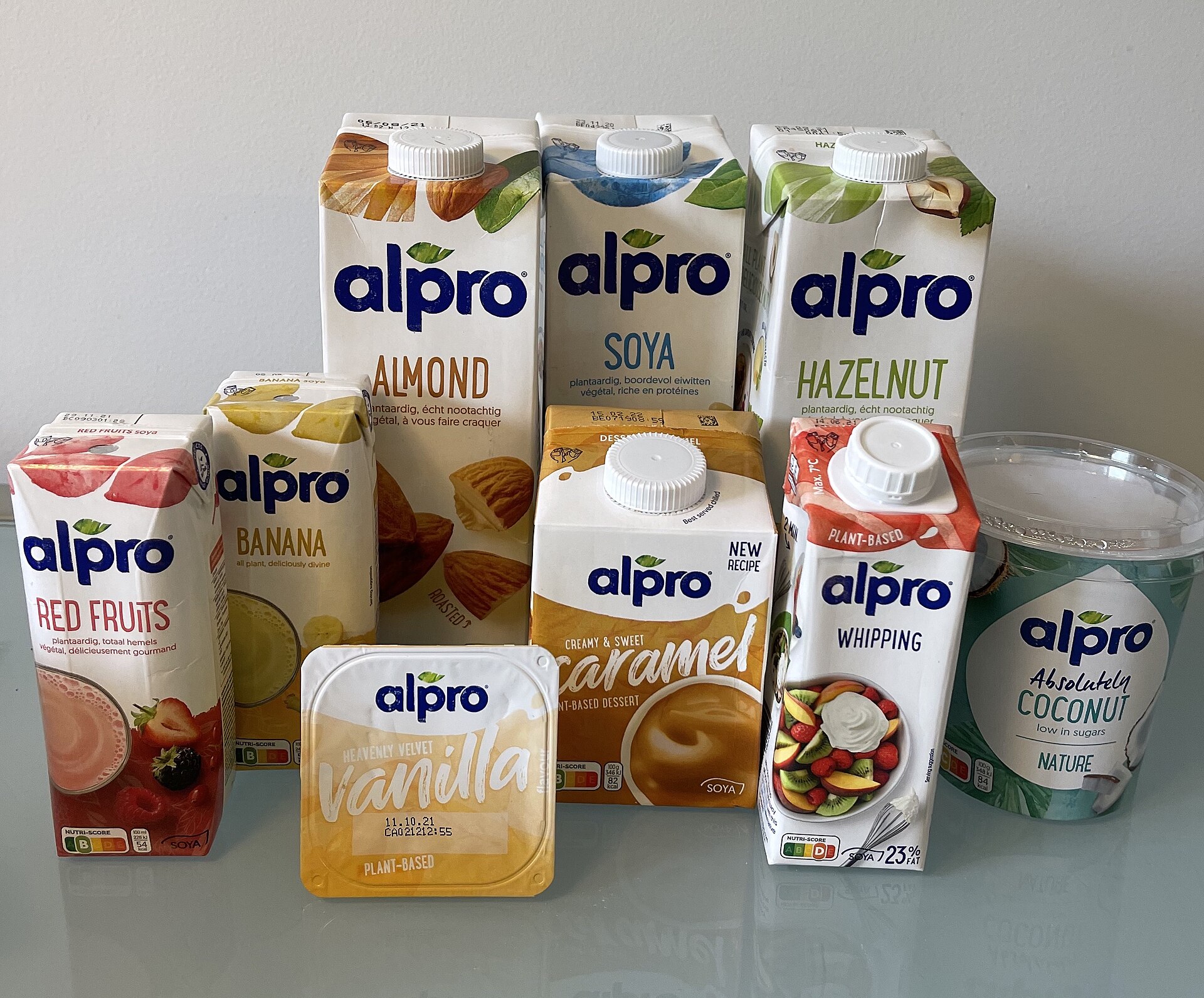
Featured image: Alpro products by Dianeira, via Wikimedia Commons (CC BY-SA 4.0).
Reporting is based on the publicly available sources listed above and has been independently written by Food Tech Insider.