Granarolo Adds Foreverland’s Choruba Cocoa-Free Chocolate to Yomo Kefir, Taking Fermented Carob Chocolate Alternative Into Mass-Market Dairy
Italian foodtech startup Foreverland has landed a major industrial customer in dairy. Granarolo, Italy’s leading dairy cooperative, is using Foreverland’s Choruba cocoa-free chocolate in a new launch within its Yomo range, taking the fermented carob-based chocolate alternative into a mass-market dairy category.
The product is a lactose-free kefir paired with crunchy cereal balls coated in Choruba. Foreverland, based in Puglia, describes the deal as “significant industrial validation” of its technology and as a milestone in its industrial growth path, according to Green Queen.
From confectionery to cultured dairy
Until now, Choruba has mostly appeared in confectionery and bakery. It has featured in Easter eggs, pralines, panettone, chocolate-covered almonds and yeast protein bars. In January, Foreverland announced partnerships with confectionery producers Incom Leone, Dulciar, Walcor and Maxtris, and last month it worked with Italian food company Apulia Distribuzione on three snacks featuring its cocoa-free chocolate.
A dairy cooperative of Granarolo’s scale raises the bar on process and quality requirements. “Working with an organisation like Granarolo means translating research into a solution capable of meeting strict quality and process requirements,” said Foreverland co-founder and CTO Riccardo Bottiroli. “The application of Choruba in the new Yomo range confirms that cocoa alternatives can be integrated into industrial-scale production and contribute to developing products aimed at a broad market.”
Fabio Beninati, R&D manager at Granarolo, said the collaboration allowed the company to introduce a new solution within the Yomo range “in line with Granarolo’s quality standards and evolving consumer preferences”, adding that the project “confirms the value of dialogue between the food industry and Italian food tech” startups.
How Choruba is made: upcycled carob and fermentation
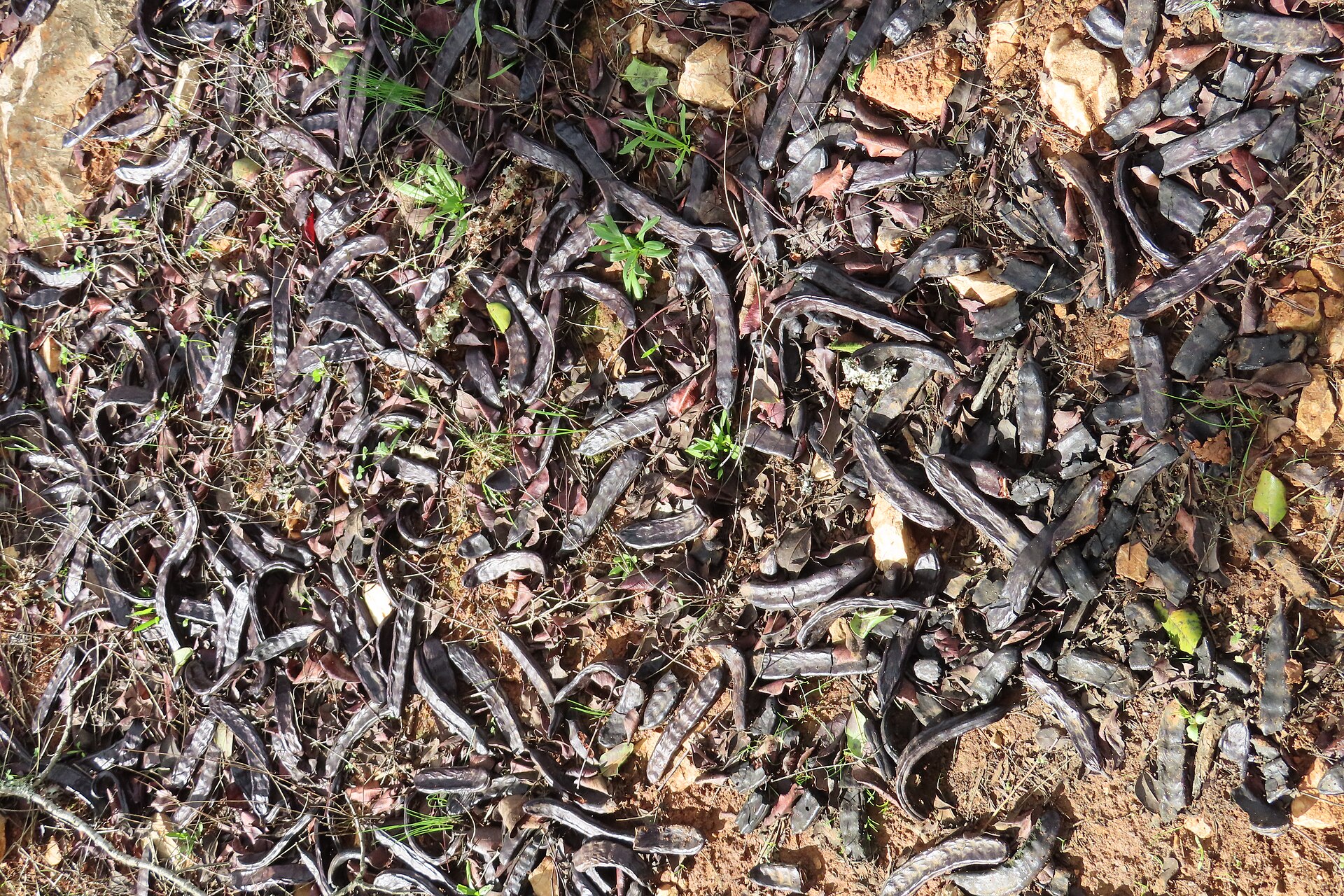
Foreverland’s process is built on an underused crop. Globally, around 90% of the carob fruit is discarded, with only the seeds used to make locust bean gum. The startup upcycles that by-product alongside ingredients such as grape seeds and chickpeas. Each ingredient is individually fermented through a proprietary process, then roasted to deepen flavour and blended into different formats.
The range now spans milk, semi-dark, white and vegan chocolate alternatives, a cocoa-free powder, bake-stable drops, a spreadable cream and a high-fibre, no-added-sugar line. Choruba is supplied in drop or liquid form and is positioned as a drop-in ingredient for moulding, coating, enrobing, inclusions and decorations. Green Queen has previously reported Foreverland’s claim that Choruba uses 90% less water and generates 83% lower emissions than conventional dark chocolate.
Manufacturing capacity and funding
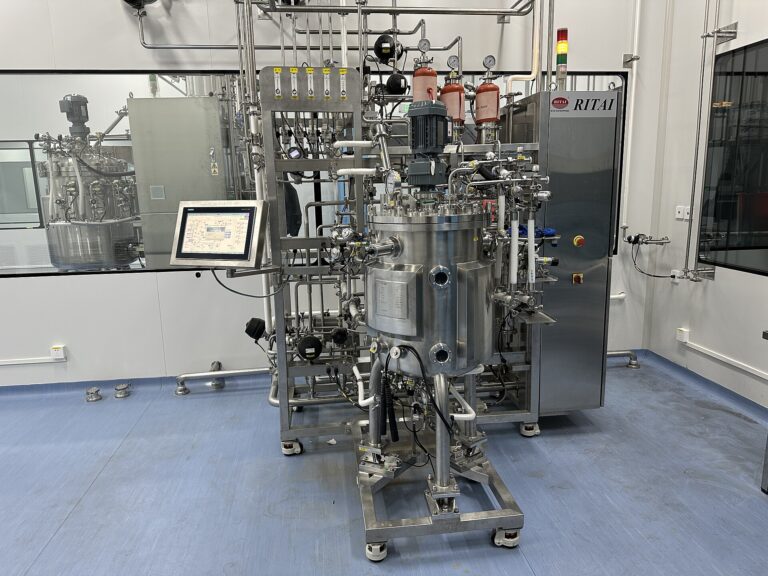
Foreverland opened a full-scale manufacturing plant in Puglia last year with capacity for 500 tonnes of cocoa-free chocolate a year. The site includes a dedicated pilot fermentation room so the team can refine processing steps, protect know-how and validate unit economics while running industrial trials for larger clients.
The company was one of three cocoa-free innovators to win Bühler Group’s New Chocolate Challenge. Earlier this year it raised €6 million ($7 million) to expand its footprint and team, taking total funding to €9.4 million ($10.8 million).
Cocoa supply risk keeps alternatives on the agenda
The deal lands as manufacturers continue to hedge cocoa exposure. Cocoa prices hit all-time highs in 2024 after climate-linked harvest failures in West Africa, and Green Queen notes a forecast “super” El Niño could add pressure on harvests through to the end of 2027.
Foreverland competes in a crowded field that includes Planet A Foods, Voyage Foods, Nukoko, Prefer, Win-Win, California Cultured, Kokomodo, Celleste Bio, Food Brewer and Galy. Approaches range from fermented upcycled crops to cell-cultured cocoa: Foodtech Insider has covered Planet A Foods’ Cocoa Booster powder replacer and Galy’s cell-cultured cocoa launch.
Why it matters
For cocoa alternative startups, moving from confectionery partners into a branded dairy line is a meaningful step. Inclusions and coated toppings in yoghurt and kefir are high-volume applications where cost stability and process tolerance matter as much as taste. If Choruba performs at Granarolo’s scale, it strengthens the case that fermented, upcycled chocolate alternatives can serve as a practical tool for managing cocoa supply chain risk in mainstream dairy and snacking ranges.
Sources & Credits
- Green Queen – Italian Dairy Giant Granarolo Embraces Foreverland’s Cocoa-Free Chocolate in Kefir Range (19 Nov 2026)
- Green Queen – From Pralines to Popcorn, Europe Embraces Foreverland’s Cocoa-Free Chocolate
- Foreverland – Company website
Featured image: Carob pods by Mike Finn, via Wikimedia Commons (CC BY 4.0).
Reporting is based on the publicly available sources listed above and has been independently written by Food Tech Insider.