MATR Foods Opens 4,000-Tonne Solid-State Fermentation Plant in Denmark to Scale Fungi-Fermented Clean-Label Meat Alternatives
Danish foodtech start-up MATR Foods has opened its first industrial-scale factory, a solid-state fermentation plant in Ansager, West Jutland, that can produce up to 4,000 tonnes a year of fungi-fermented meat alternatives. The company announced the opening on 20 November 2026.
The site marks a sharp step up from MATR’s existing production in Nordhavn, Copenhagen, which Green Queen reports had a capacity of around 30 tonnes a year. The new plant will employ 60 people and supply patties, mince and blocks to restaurants, canteens and supermarkets in Denmark, Germany and Switzerland.
Fermenting whole vegetables rather than growing protein
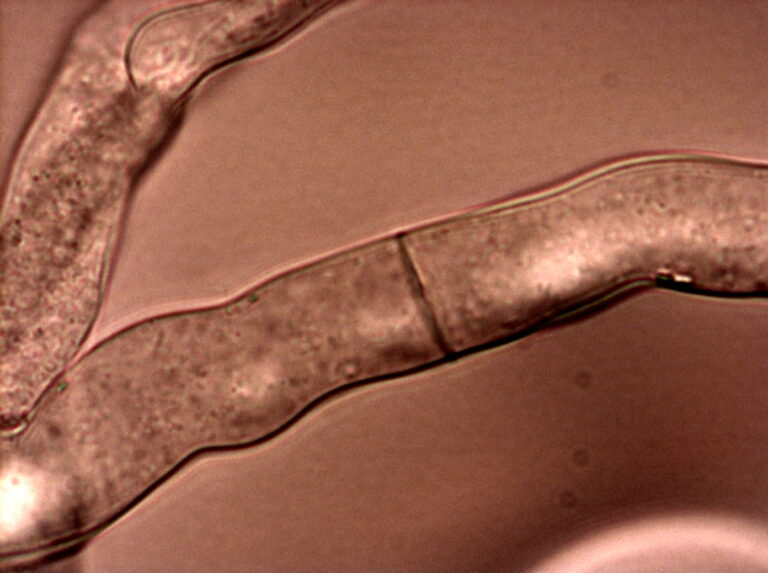
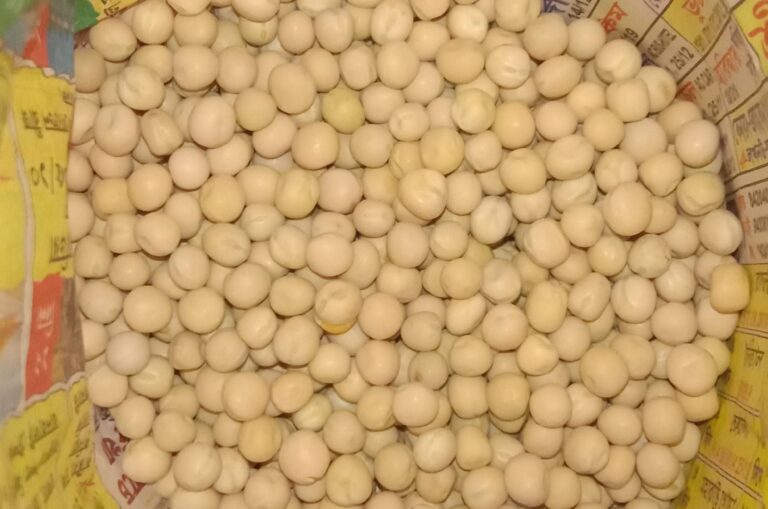
MATR’s process differs from most fungal protein platforms. Instead of growing mycoprotein biomass in liquid fermenters, the company inoculates boiled and chopped peas, lupins, beetroot, potatoes and oats with fungal spores. As the mycelium grows through the substrate, it binds the ingredients together, raises protein and fibre levels and generates savoury, umami flavours. The fermented biomass is then marinated in beet juice and seasonings.
CEO and co-founder Randi Wahlsten told AgFunderNews that the whole process takes less than a working week and requires no added texturisers or flavourings. The company uses a single fungal strain from a family already approved for food use, which it says is non-novel. That positioning avoids the lengthy novel food approval process faced by many precision fermentation and new biomass fermentation players in Europe.
On the plant floor, the main equipment consists of solid-state fermentation chambers and pre-processing lines. Downstream steps are limited to marination and a heat step before packing.
A capex-light case for fermentation scale-up
Wahlsten argues that solid-state fermentation is cheaper to build and run than submerged biomass or precision fermentation. “We basically cut out the downstream formulation process, operate at lower temperatures and have no waste at all,” she told AgFunderNews. The company has not published capital cost figures for the Ansager plant.
The economics will be watched closely. Fungal and fermentation-based meat alternatives have faced a difficult funding climate, and several high-capex mycoprotein ventures have retrenched. MATR is betting that a simpler process, short cycle times and whole-food ingredients can deliver a lower-cost route to scale.
The company is not rushing to fill the plant. “As this is a first of a kind technology and a big scale leap, our plan is to allow some time to ramp up,” Wahlsten said, adding that MATR does not expect to reach full capacity until 2028.
Investors, listings and brand strategy
MATR was founded in 2021 by Wahlsten, a former Arla Foods executive; chef and food entrepreneur Claus Meyer; biophysicist Morten Sommer; and entrepreneur Rasmus Toft-Kehler. Green Queen reports that the company raised a €20M Series A last year, following a a €20M venture debt facility from the European Investment Bankeuro;20M debt investment from the European Investment Bank in 2024. Its backers include Novo Holdings and EIFO, the Export and Investment Fund of Denmark.
In Danish retail, MATR is listed with Coop, Nemlig.com, Alma and Aarstiderne. In Germany, it is available through Rewe Online and HIT, and in selected Rewe and Edeka stores in the Hamburg region. Foodservice customers include Sticks’n’Sushi. Wahlsten said the extra supply will support new distribution deals in Germany, where demand for plant-based products has held up better than in some other European markets.
The company will sell only under its own brand for now and has no plans for private-label production. It also avoids meat terminology, marketing its products as “Fermented Greens” rather than as substitutes. That fits a wider European shift as regulators debate restrictions on meat-style names for plant-based products.
Clean-label and climate claims
According to the company, the products contain 8.5g of protein and 10g of dietary fibre per 100g and have a carbon footprint of 1.6kg CO2e per kilogram, which MATR says is 94% lower than beef. These are company figures. Wahlsten told AgFunderNews that external studies suggest fermentation can improve protein and mineral bioavailability, but that such studies have not yet been completed on MATR’s own products.
The short ingredient list is aimed squarely at shoppers who avoid ultra-processed foods, a concern that has weighed on sales of conventional extruded meat analogues.
Why it matters
Ansager is one of the first industrial-scale tests of solid-state fermentation applied to whole vegetables and legumes for mainstream retail. If MATR can ramp up on schedule with stable unit costs, the model could give food manufacturers a lower-capex, non-novel route into fermented protein. That would add to the growing body of work on mycelium fermentation of food-grade substrates.
Sources & Credits
- AgFunderNews – Can solid-state fermentation deliver on alt meat’s promise? MATR Foods opens industrial-scale plant (20 Nov 2026)
- Green Queen – Denmark’s Matr Foods Opens Fungi Fermentation Factory for Clean-Label Meat Alternatives (20 Nov 2026)
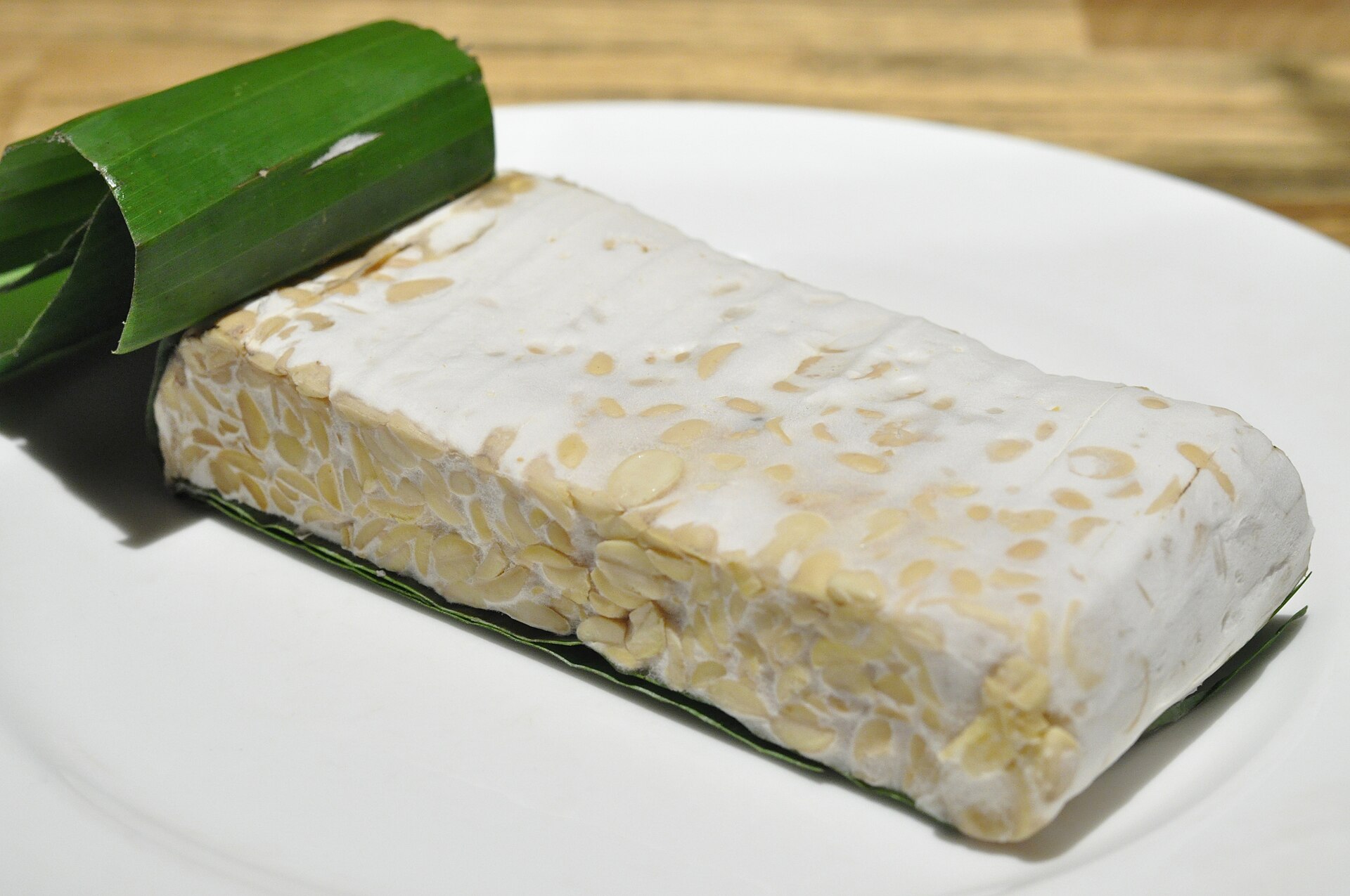
Featured image: Tempeh 002 by Ocdp, via Wikimedia Commons (CC0).
Reporting is based on the publicly available sources listed above and has been independently written by Food Tech Insider.