MOA Foodtech and Espiga I+D Launch Bakery Alliance to Industrialise Fermented Egg Replacer Q5
Spanish biomass-fermentation company MOA Foodtech has teamed up with Espiga I+D, a cereal research and pilot bakery near Pamplona, to put its egg-replacer ingredient MOA Q5 through industrial bakery and pastry conditions. The partners have branded the collaboration the Bakery Innovation Alliance, giving manufacturers a place to trial formulations before they commit factory time.
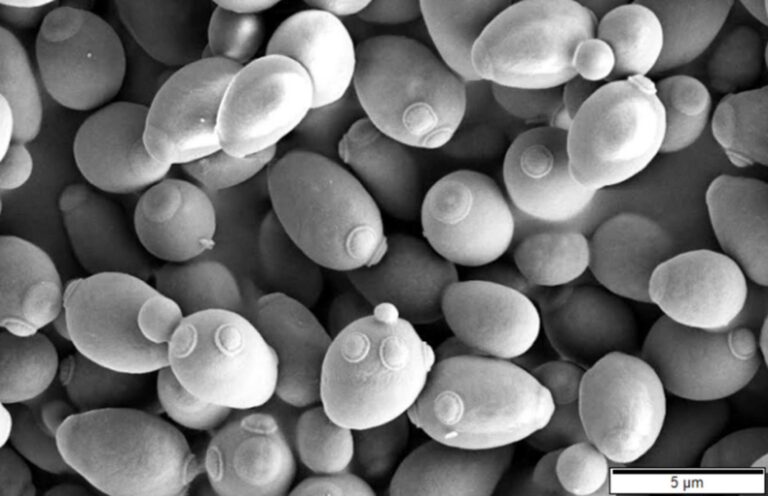
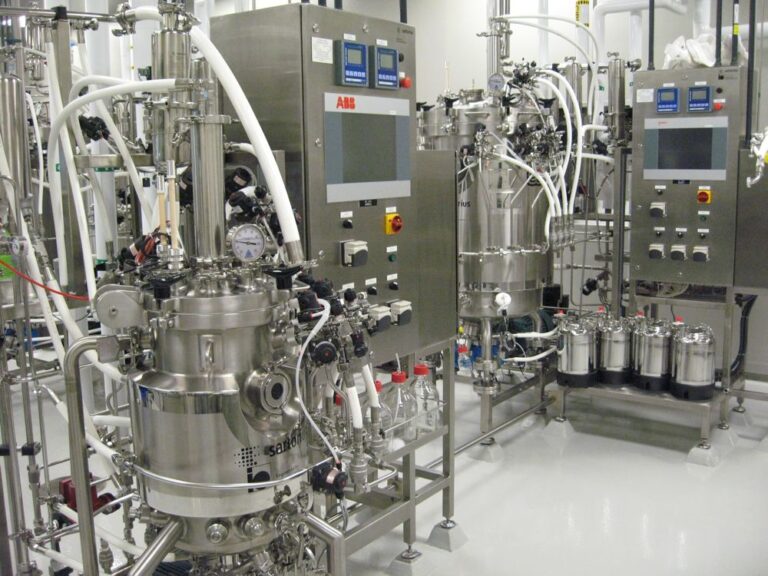
Q5 is positioned as a single ingredient that both replaces egg and acts as an emulsifier, allowing bakers to cut egg use and drop additives such as E-471 (mono- and diglycerides) in the same reformulation pass. It is produced by fermenting starch-rich industrial byproducts on MOA’s AI-tuned Albatros platform, is labelled as “yeast,” is non-GMO and, according to the company, does not require Novel Food authorisation in its current form. It does contain gluten, so allergen labelling remains mandatory.
Why bakeries are hunting egg alternatives now
Three years of avian-influenza-driven egg price spikes have made egg a planning risk for industrial bakers. At the same time, retailers and brand owners are pushing shorter ingredient lists, which puts emulsifiers like E-471 under pressure. An ingredient that addresses both problems—supply volatility and clean-label reformulation—is commercially attractive if it survives lamination, rounding and bake cycles at pilot and semi-industrial scale.
Espiga I+D’s lines include equipment that mirrors those process steps, so application teams can adjust hydration, mixing and bake profiles with Q5 before transferring a recipe to a full plant. Manufacturers in the alliance can access samples, pilot formulations and application support rather than running blind plant trials.
Fermentation ingredients move from claim to line trial
MOA introduced Q5 in late 2025 and says it has already been validated in bakery, pastry and pasta applications. The Bakery Innovation Alliance is the next step: shifting from company-run validation to customer-accessible industrial conditions. That is the same playbook Spanish bakery ingredients firm Lasenor has used with Israeli startup Meala’s pea-protein egg replacer, pairing a technical centre with on-site trials for commercial bakeries.
“The bakery and pastry industry faces more pressure than ever to reduce its dependence on egg while delivering cleaner labels and better nutrition,” said Bosco Emparanza, CEO of MOA Foodtech. Espiga I+D’s Maite Cabodevilla framed the alliance as a way for innovators and manufacturers to co-develop functional ingredients that meet market demand rather than staying stuck in the lab.
What buyers should watch
For bakery R&D and procurement teams, the practical questions are functional: foam and emulsion stability, crumb structure, shelf life, cost in use versus shell egg and liquid egg, and how Q5 behaves when egg reduction is partial rather than total. Gluten content will limit some free-from lines, but for conventional wheat bakery it is less of a barrier.
Fermentation-derived egg replacers are multiplying as suppliers compete for reformulation budgets. MOA’s edge, if the alliance delivers, will be AI-optimised upcycling of side streams plus a pilot bakery door that shortens the path from sample to SKU. Line-trial results over the coming months will show whether Q5 can hold texture and cost targets under real bakery throughput—not just in a controlled kitchen.
Sources & Credits
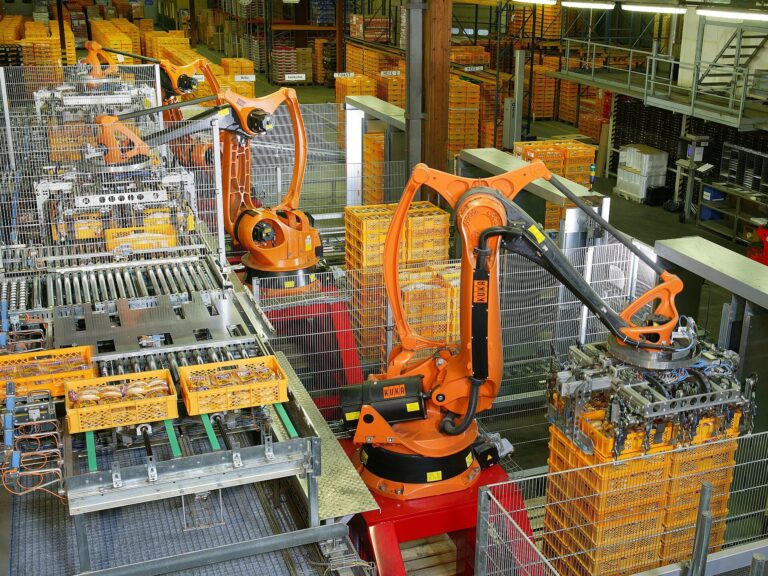
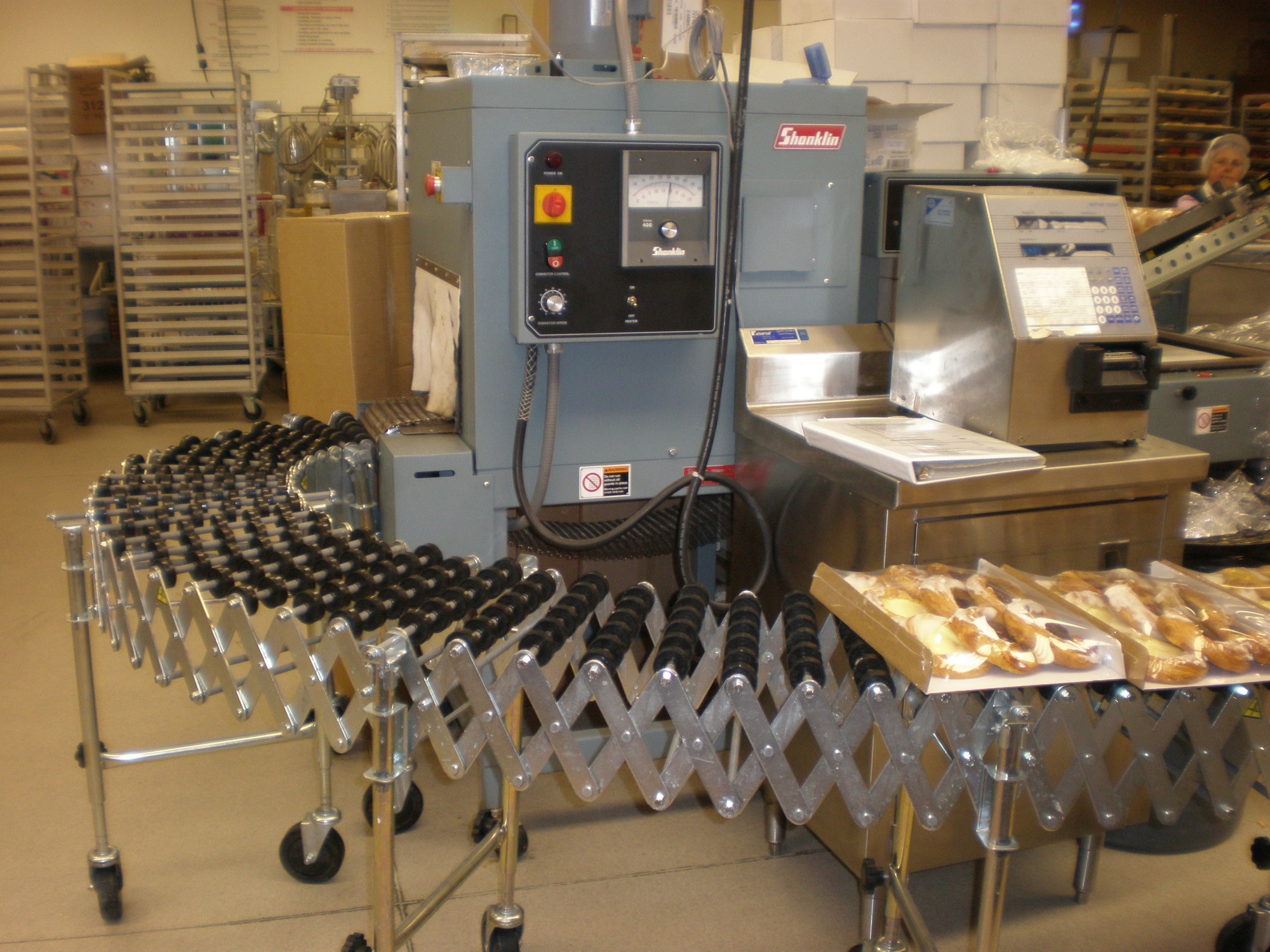
Featured image: Costco bakery pastry packaging line by BrokenSphere, via Wikimedia Commons (CC BY-SA 3.0).
Reporting is based on the publicly available sources listed above and has been independently written by Food Tech Insider.