Planet A Foods Launches Cocoa Booster Cocoa Powder Replacer, Targeting Cocoa Price Spikes and GLP-1 Fibre Demand
Munich-based Planet A Foods, maker of the ChoViva cocoa-free chocolate alternative, has launched Cocoa Booster, a single-ingredient replacer for cocoa powder. The company is pitching it at two pressures hitting cocoa-flavoured foods at once: renewed cocoa price volatility and GLP-1 medication users who are shifting towards smaller, more nutrient-dense portions.
Cocoa Booster is Planet A Foods’ first product category since ChoViva. It will be sold through the company’s existing partnership with Barry Callebaut, which is extending the deal to offer the new ingredient through its sales and R&D network.
A drop-in for cocoa powder
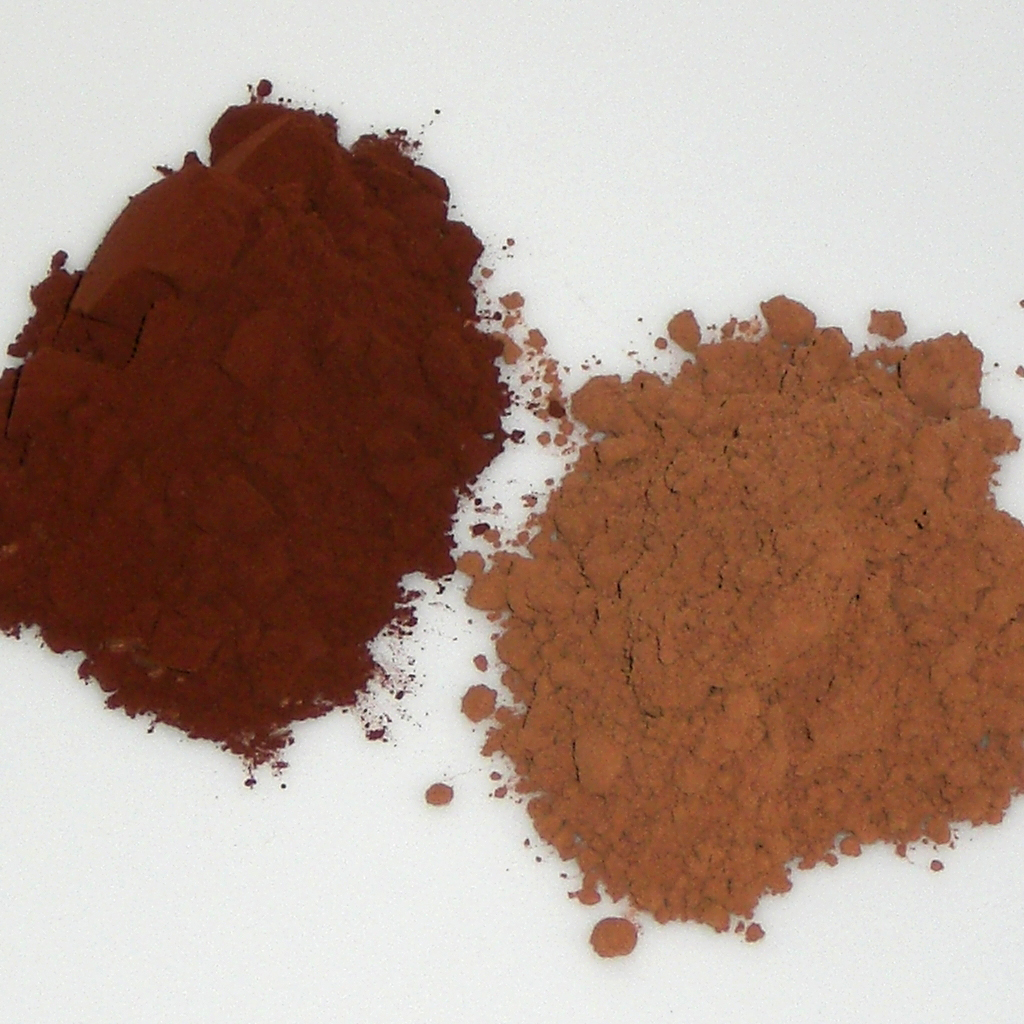
The ingredient comes in natural, alkalised and dark profiles designed to match the taste and colour of the matching cocoa powders. Planet A Foods says it works in existing recipes without process changes and can replace cocoa powder partly or fully, up to 100%, in cookies, muffins, sponge cake, pudding creams, fat-based cream fillings and beverages.
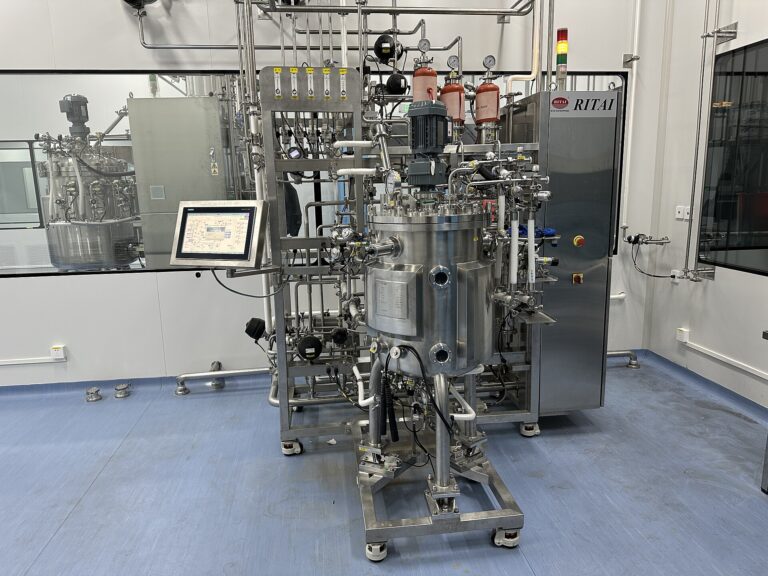
The company has not disclosed the raw material, citing competitive reasons. CEO Maximilian Marquart told Confectionery Production that production starts from a flour, which goes through a fermentation-inspired process, is roasted, and is then milled to about 40 microns, the particle size manufacturers expect from cocoa powder. The raw material is sourced in the EU, the ingredient is made in the EU and is allergen-free, and the company says there are no added flavours. Aroma develops through processing on the same flavour platform used for ChoViva.
Co-founder and CTO Sara Marquart said R&D teams had told the company that existing powder extenders either brought off-notes, matched colour but not taste, or relied on added sugars and flavours.
The GLP-1 reformulation angle
Planet A Foods is also positioning Cocoa Booster as a fibre-boosting ingredient. According to the company, it contains around 69 g of fibre per 100 g, compared with around 37 g in cocoa powder, and about 50% less fat.
The pitch targets a behaviour shift that is reshaping snack and bakery demand. The company notes that people on GLP-1 drugs eat 15–20% fewer calories and favour smaller, more nutrient-dense portions. That puts pressure on cocoa-flavoured biscuits, cakes, cereals and drinks to deliver more nutrition per serving without losing the chocolate taste consumers expect. Swapping part of the cocoa powder for a higher-fibre ingredient is one way to improve a recipe’s nutrition panel without a full reformulation.
Cost relief as cocoa powder tightens
The launch comes as cocoa prices have risen about 70% since February 2026, according to the company and trade reports, with analysts expecting prices to stay above $6,000 per tonne well into 2027. Planet A Foods says the previous price spike hit cocoa butter hardest, but this time pressure is shifting to cocoa powder. Maximilian Marquart told Green Queen that Cocoa Booster can cut formulation costs by up to 50%, though the actual saving depends on inclusion rate and application.
Supply security is part of the case. Because the raw material is EU-sourced, the company argues that volumes and prices can be locked in long-term rather than depending on West African harvests. Production runs at Planet A Foods’ plant in Pilsen, Czech Republic, which the company says can make 15,000 tonnes of ingredients a year. A second plant with six times the capacity is ramping up.
What to watch
ChoViva is now used in more than 230 products in 12 countries, according to the company, giving Planet A Foods an established route into big confectionery manufacturers. It says it is talking with leading confectioners globally, with India, the Middle East, the US and the UK named as priority markets. The first products using Cocoa Booster are expected on shelves around the first quarter of 2027.
For manufacturers, the key questions are sensory parity at high replacement levels, labelling of an undisclosed raw material, and whether fibre and cost claims hold up in finished products. If they do, cocoa powder extenders could become a standard hedge for bakery and beverage brands facing both commodity risk and GLP-1-driven changes in demand.
Sources & Credits
- Green Queen – Planet A Foods unveils one-ingredient cocoa powder alternative to cut costs & capture GLP-1 market (27 Oct 2026)
- Confectionery Production – Planet A Foods expands with advanced cocoa powder replacer (27 Oct 2026)
- Planet A Foods – ChoViva chocolate alternative
Featured image: Dutch process and natural cocoa by F_A, via Wikimedia Commons (CC BY 2.0).
Reporting is based on the publicly available sources listed above and has been independently written by Food Tech Insider.