Those Vegan Cowboys Wins €1.2M OPZuid Grant to Bring Precision-Fermented Casein Into Sports Nutrition
Those Vegan Cowboys is taking its animal-free casein platform into sports nutrition through a €1.2 million OPZuid-backed project with XXL Nutrition, dairy supplier Interfood and HAS University of Applied Sciences. The Belgian precision-fermentation company says the partnership is meant to turn protein made in stainless steel into products athletes and active consumers will actually buy—starting with recovery formats where casein’s slow amino-acid release has a clear functional edge over whey.
The grant lands as sports-nutrition buyers scramble for alternatives to dairy whey. Mainstream protein demand and GLP-1-driven higher protein intake have pushed whey prices higher, while lactose intolerance and sustainability claims keep pressure on formulators to diversify. Casein produced by precision fermentation is lactose-free by design and, according to Those Vegan Cowboys, can cut CO₂ emissions by about 95% and land and water use by roughly one fifth versus cow-derived casein.
From “Margaret” to marketable formats
CEO Hille van der Kaa frames the project as the commercial next step after the company’s stainless-steel cow “Margaret,” which demonstrated that casein can be made without animals. The consortium will map market demand against process capability to pick the strongest application lanes. Recovery—including overnight or extended-release products—is an early white space the partners are exploring, because casein digests more slowly than whey and can sustain amino-acid delivery over a longer window.
XXL Nutrition brand manager Mathias Jansen said the sports brand is looking for a protein source that combines a high-quality amino-acid profile with better sustainability and tolerability for lactose-intolerant consumers. Interfood brings dairy-ingredient distribution know-how; HAS contributes applied food science. Together they aim for nutritious, tasty and affordable alternatives rather than niche vegan novelty SKUs.
Why casein, not another whey clone
Precision fermentation lets producers go beyond copying commodity milk proteins. Van der Kaa notes the team can investigate different caseins and combinations with tailored functional and nutritional properties—potentially better than existing dairy isolates for specific demographics, including people on GLP-1 medicines who need higher protein density with good sensory performance.
Industry interest is also defensive. Buyers see casein prices rising and want a future-proof supply that is cleaner on carbon accounting. European retailers, she said, increasingly favour products that keep CO₂ claims credible on shelf.
US first, EU Novel Foods later
Commercial launch plans point first to the United States. EU Novel Foods authorisation is expected to take at least three years, so the near-term path is US go-to-market while European dossiers mature. For ingredient buyers and sports-nutrition brands, the signal is concrete: a funded, multi-party programme linking a precision-fermentation casein producer, a dairy trader, an educator and a consumer brand around recovery applications—not another lab-only announcement.
Whether fermented casein can hit taste, cost and regulatory gates at sports-nutrition volumes remains the open test. The OPZuid project is designed to answer that with prototypes and market mapping, not press releases alone.
What ingredient buyers should watch next
For formulators, the practical milestones are sensory parity in ready-to-mix and ready-to-drink recovery products, cost per gram of protein versus dairy casein isolates, and clarity on GRAS or equivalent pathways in the United States. Sports nutrition is a demanding first beachhead: consumers notice mouthfeel, mixability and digestive comfort quickly, and brand owners will not swap whey for fermented casein unless those metrics hold under high-protein loading.
The consortium structure itself is notable. Pairing a precision-fermentation producer with a dairy ingredient distributor and a sports brand shortens the usual gap between tank output and SKU brief. If prototypes clear internal gates, offtake conversations could move faster than for startups that only publish fermentation titres.
Update — 29 October 2026: FDA raises no questions on Those Vegan Cowboys’ casein
US regulatory milestone reached. Those Vegan Cowboys announced on 28 October that the US Food and Drug Administration has issued a “no questions” letter for Margaret’s Finest, its precision-fermented casein. The GRAS notice, GRN 1312, was filed jointly with Berlin-based Formo and covers recombinant αS1-casein produced by Escherichia coli. Both companies say it is the first precision fermentation-derived casein to clear this stage of FDA review.
Scope is limited to cheese analogues. According to the FDA’s GRAS Notice Inventory, the intended use is as an ingredient at up to 25 g per 100 g in cheese analogues, excluding infant formula and products under USDA jurisdiction. The sports-nutrition formats this OPZuid project targets are not covered by this notice. The protein remains a milk allergen even though it is lactose-free.
Commercial push. The company says it works with XXL Nutrition on sports nutrition and with Hochland on burger cheese, and that it has developed mozzarella, burger slices, cream cheese, feta and camembert with the ingredient. CEO Hille van der Kaa said the company is now looking for food companies to build US applications. Full coverage: FDA issues first “no questions” letter for precision-fermented casein.
Sources & Credits
- NutraIngredients – XXL Nutrition and Those Vegan Cowboys join €1.2M project for cow-free casein
- FoodNavigator – No cows, no questions: FDA greenlights animal-free casein (28 Oct 2026)
- US FDA – GRAS Notice Inventory: GRN 1312
- Protein Production Technology International – Those Vegan Cowboys seeks US food partners as Margaret’s Finest casein clears FDA review
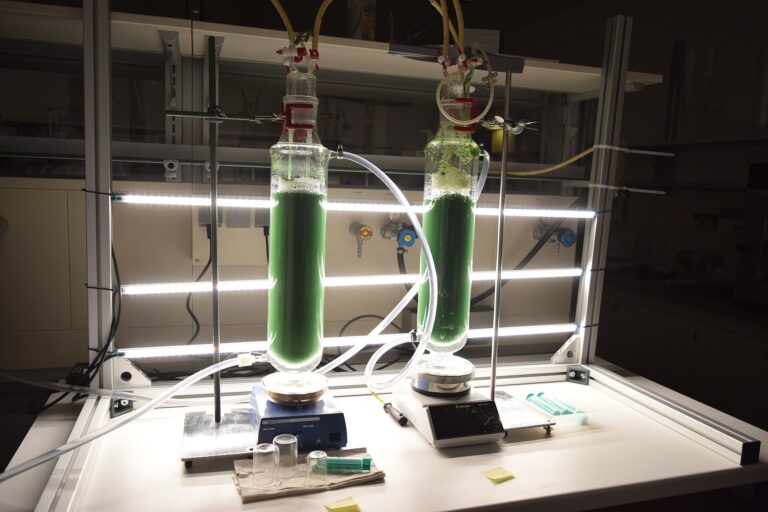
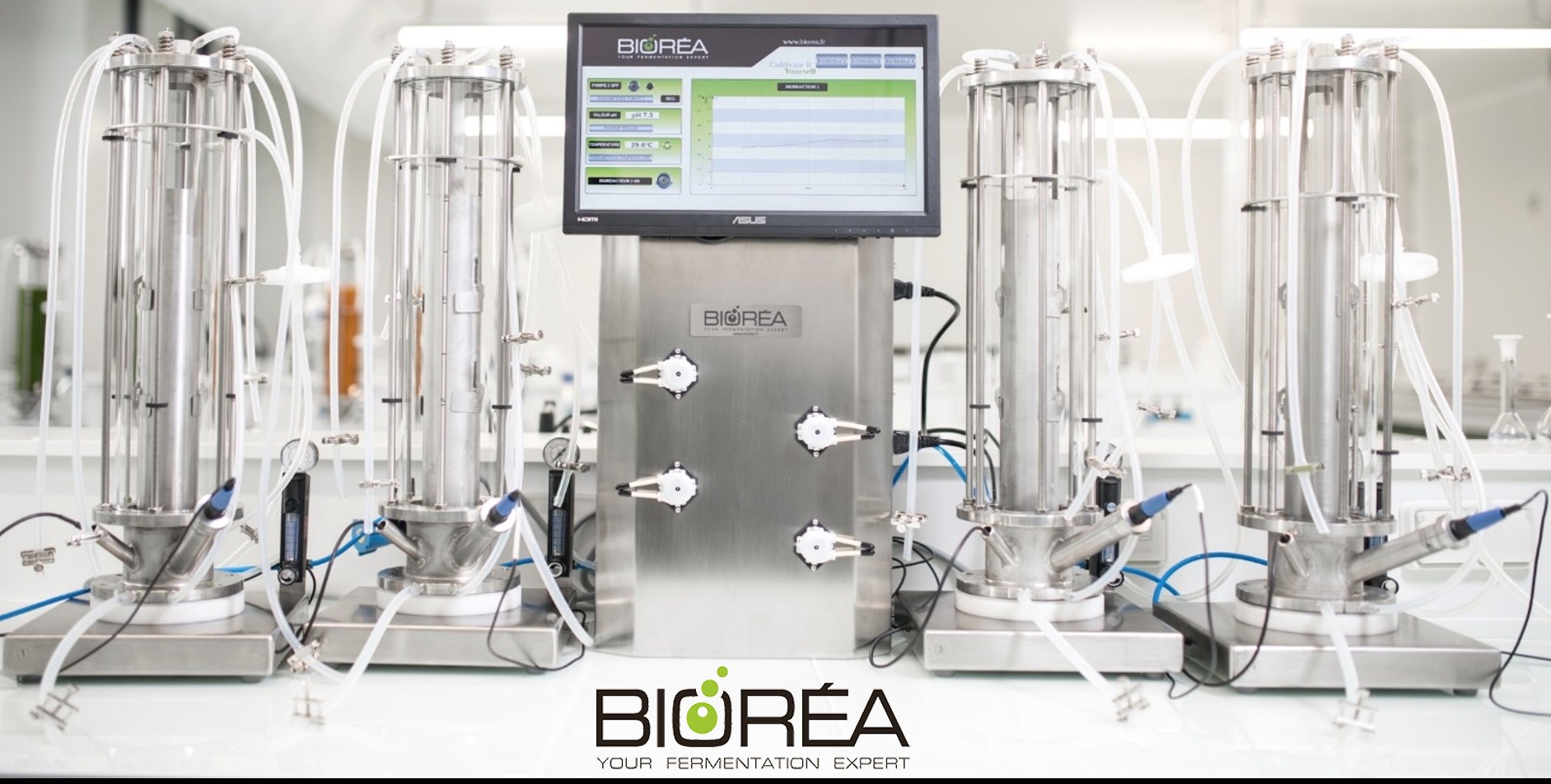
Featured image: Bioréacteur CiYOU by Malvina TERMINI, via Wikimedia Commons (CC BY-SA 4.0).
Reporting is based on the publicly available sources listed above and has been independently written by Food Tech Insider.