Royal Canin and Roquette Co-Invest in Regenerative Wheat Farms via Soil Capital, Splitting Scope 3 Claims Across 4,700 Hectares
Royal Canin and Roquette are co-financing the move to regenerative agriculture on the French wheat farms they both buy from. Royal Canin is the Mars Petcare-owned pet nutrition brand, and Roquette is the plant-based ingredients maker that supplies it with wheat-derived ingredients. The programme is run by agri-climate company Soil Capital, announced on 28 October, and covers more than 60 farms and over 4,700 hectares in a shared wheat supply shed.
Soil Capital says it is the first time a downstream buyer and its upstream supplier have co-invested together in the farms they both source from. Up to now, the transition has usually been paid for either by farmers themselves or through a single company’s insetting programme.
One dataset, two carbon accounting methods
The main technical obstacle was carbon accounting, not money. The two companies count the wheat needed to produce wheat gluten in different ways. Royal Canin uses economic allocation, which is common in pet food. Roquette uses mass allocation, the standard in starch processing. Their footprint figures are therefore not directly comparable, and joint funding could have led to double counting.
The partners chose not to force one method on both sides. Soil Capital supplies a single, independently verified farm-level dataset and runs it through both calculation systems. Each company receives a Verified Emission Factor aligned with the GHG Protocol and SBTi for its own Scope 3 reporting. Reductions and removals are quantified under ISO 14064-2 and audited annually by TÜV Rheinland.
“Rather than aligning methods, we adopted a pragmatic solution supported by Soil Capital: one shared program, two parallel accounting frameworks, and one verified data source,” said Magali Amouroux, global sustainability manager at Roquette.
Claim-sharing rules were agreed before signing. Each company claims only the share of outcomes it finances, and the related certificates are retired on a registry so that the same reduction cannot be claimed twice. Neither partner treats the programme as offsetting. Both report the reductions inside their own Scope 3 inventories.
How farmers get paid
Farmers are paid through Soil Capital Certificates, a results-based mechanism. According to the companies, 70% of the value of each certificate goes directly to the farmer. Soil Capital also provides agronomic support alongside monitoring, reporting and verification (MRV).
“What you need is a third party that has a robust MRV framework that is compliant to external guidelines,” Luc Beerens, global director for sustainable sourcing at Royal Canin, told AgFunderNews. As long as the programme is built on the right farmer data, he said, there is no double counting.
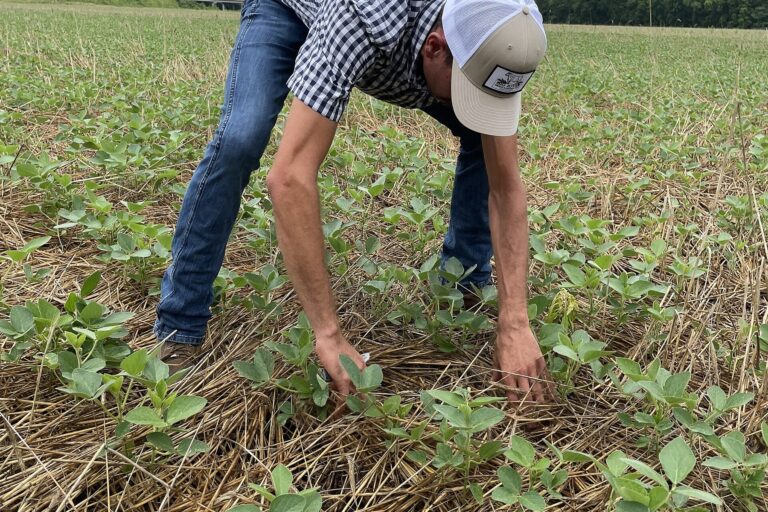
The partners argue that co-investment sends a clearer and longer-term demand signal than one buyer acting alone. That matters because switching to practices such as cover cropping and new rotations needs upfront capital and several years of visibility.
Built on existing programmes
Both companies are building on existing work with farmers. Royal Canin has worked with Soil Capital since 2022. Soil Capital reports verified estimates of more than 100,000 tonnes of CO₂e in reductions and removals across more than 250 farms over 2023–2025. Roquette says close to 3,000 French farmers have been engaged and trained in regenerative practices through the programmes it supports.
Regulation is part of the motivation. Beerens pointed to the EU’s Carbon Removals and Carbon Farming (CRCF) certification framework and to value-chain reporting under the Corporate Sustainability Reporting Directive (CSRD). “We are building partnerships that are needed when [these regulations] come into play,” he said.
A template for food and ingredient supply chains
The model carries over directly to human food. Wheat, starch and protein ingredients from processors such as Roquette end up in bakery, confectionery and packaged foods, where brands and their suppliers often fund overlapping sustainability programmes with incompatible accounting. A shared-MRV, split-claim structure could let a food brand and its ingredient supplier pool funding for the same farms without arguing over whose footprint method is right.
Both companies say they are exploring how to replicate the approach with other partners. “This partnership with Royal Canin demonstrates that differences in carbon allocation methodologies do not have to be a barrier for collaboration,” Amouroux told AgFunderNews. “It provides a replicable model that could be extended to other crops and geographies.”
Key questions for the next phase are how long the companies commit for, how large the per-hectare payments are, and whether other food manufacturers buying from the same supply sheds join as further co-investors. None of these figures has been disclosed.
Sources & Credits
- Soil Capital – Co-investment in regenerative agriculture: how Royal Canin and Roquette invest in their wheat supply chain (28 Oct 2026)
- Roquette – Roquette and Royal Canin Partner for Sustainable Pet Nutrition (28 Oct 2026)
- AgFunderNews – Agrifood corporates find a new model for financing regenerative agriculture via Soil Capital partnership (29 Oct 2026)
- PetfoodIndustry – Royal Canin, Roquette co-invest in regenerative wheat farms
- Soil Capital – Case study: Co-investing in regenerative agriculture with Royal Canin and Roquette (Oct 2026)
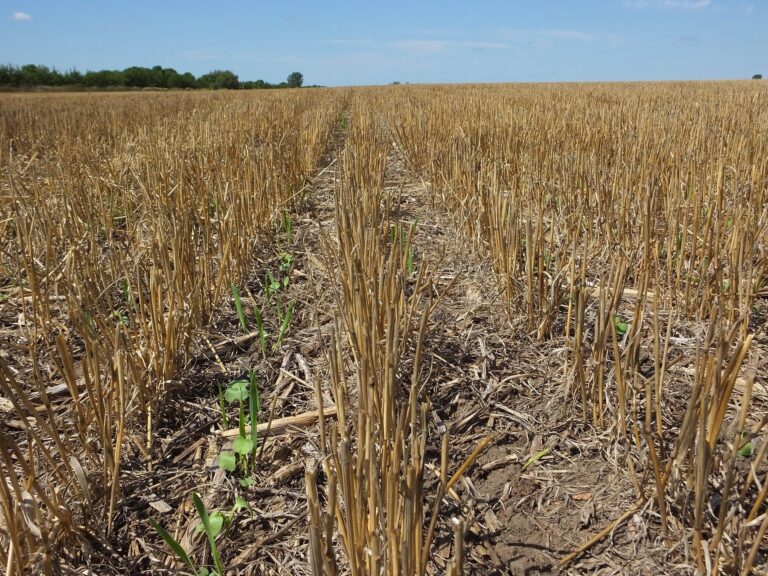
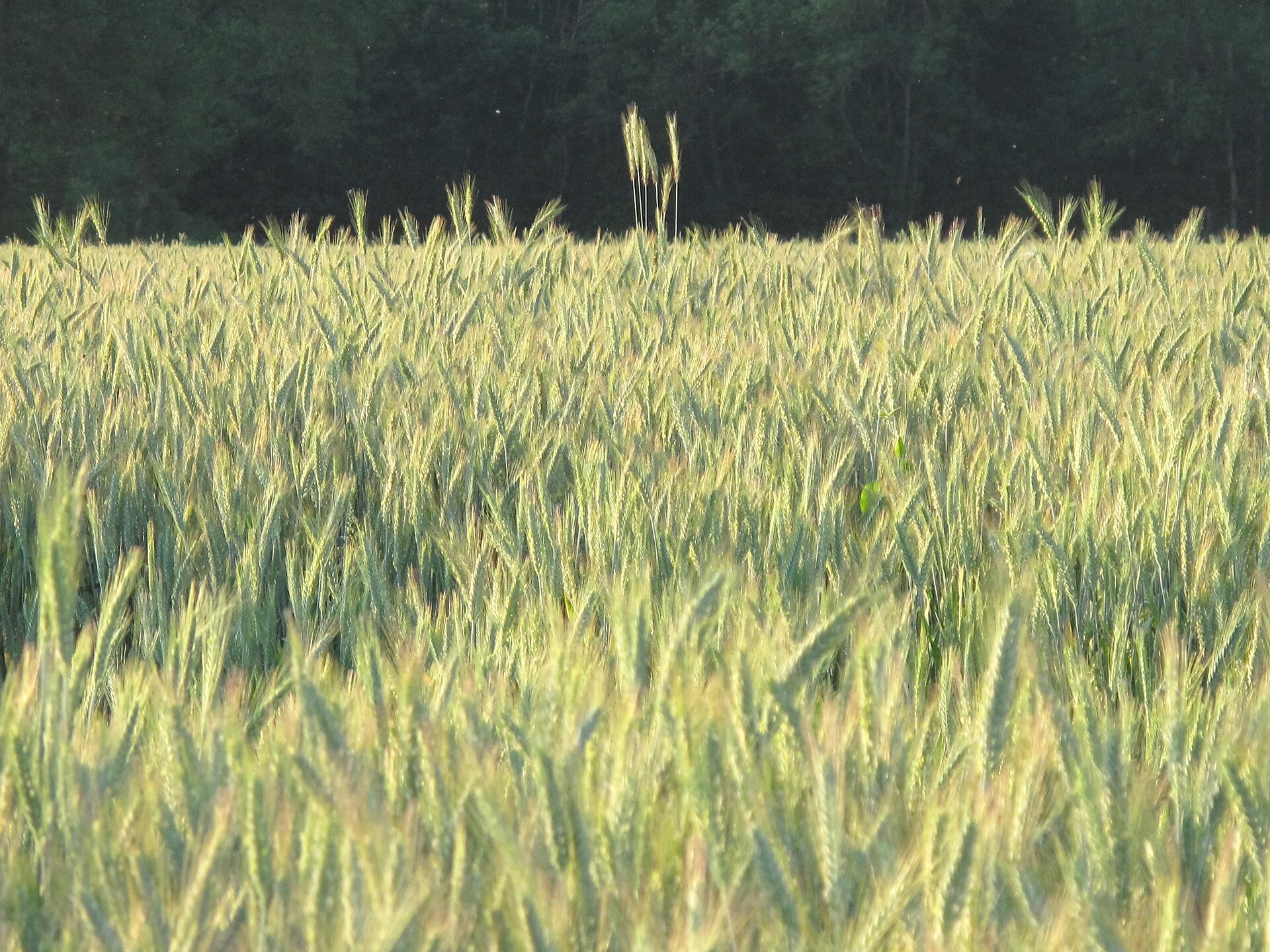
Featured image: Wheat field in Arbigny, France by Tangopaso, via Wikimedia Commons (Public domain).
Reporting is based on the publicly available sources listed above and has been independently written by Food Tech Insider.