Dhampur Bio Organics Signs 10-Year Licence With Planetary to Turn Sugar and Molasses Into Mycoprotein in India
Indian sugar producer Dhampur Bio Organics (DBO) has signed a technology licensing agreement with Swiss fermentation company Planetary SA for the exclusive production of mycoprotein in India. DBO disclosed the deal to the Bombay and National stock exchanges on 19 October, saying the agreement was executed that afternoon.
The agreement follows a non-binding term sheet the two companies signed in January. Green Queen reports that the deal runs for 10 years.
Who does what
Under the exchange filing, Planetary is the technology provider and offtaker of the mycoprotein and related products, while DBO is the manufacturer and supplier. DBO will build and operate the production infrastructure. The companies also plan to set up a joint venture to pursue further commercialisation and offtake agreements.
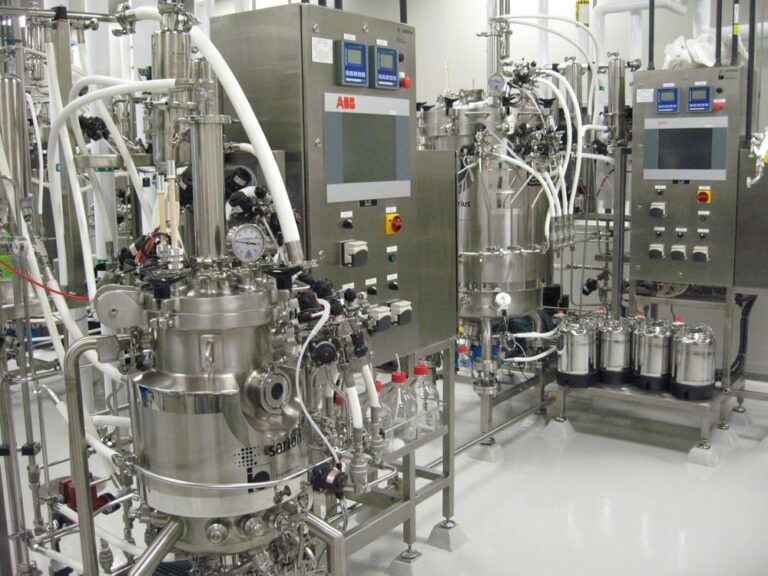
Production will run on Planetary’s BioBlocks platform, which covers bioprocess design, scale-up and industrial manufacturing for biomass and precision fermentation. DBO said in its filing that the technology “has synergy with the existing business of the company” and is a forward integration step, with sugar and molasses acting as feedstock.
Royalty and fee structure
DBO will pay Planetary a licensing royalty of 10% of after-tax revenue, paid quarterly. Planetary will also charge a one-time launch fee covering engineering, installation, commissioning, process training and handover support, billed on an open-book basis until completion. DBO will separately pay a one-time IT setup fee to configure Planetary’s data platform.
The filing assigns Planetary responsibility for providing the licensed IP and technical services, supporting launch and training, maintaining and enforcing the IP, and giving ongoing technical help. DBO is responsible for fees and royalties, confidentiality and audit compliance, protecting the licence, and obtaining regulatory approvals.
Sugar mills as protein factories
The deal is part of Planetary’s strategy of licensing its process to agro-industrial partners, especially sugar companies, so that low-value sugar streams can be turned into protein, fibre and enzymes. Green Queen reports that its partners also include Swiss firm Schweizer Zucker and Dutch cooperative Royal Cosun, and that Planetary raised US$28 million earlier this year. The company has said it aims to enable mycoprotein production below US$1 per kilogram in sucrose-rich, protein-deficient regions.
Planetary co-founder and CEO David Brandes wrote on LinkedIn that the step means “nutritional access where 73% of the population is protein-deficient” and “supply resilience where 98% of whey and plant proteins are imported”, and cited a 30% cost reduction when exporting product to Western markets. Those figures are the company’s own and were not broken down.
India’s fermentation build-out
The licence is the second sugar-linked fermentation deal in India this week. Israeli biotech Brevel and The Wave Group announced a joint venture to build an illuminated fermentation plant for microalgae ingredients in Uttar Pradesh, which Food Tech Insider covered on 22 October. Green Queen links both to India’s BioE3 policy, which promotes biomanufacturing hubs and biofoundries.
For sustainability and supply-chain teams, the model is notable because it places fermentation capacity next to existing feedstock and utilities rather than in new greenfield sites. The open questions are plant capacity, capital cost, construction timing and which products will be made first. Neither company has disclosed those details yet.
Sources & Credits
- Dhampur Bio Organics – Regulation 30 disclosure: Execution of Technology Licensing Agreement with Planetary SA (BSE filing, 19 Oct 2026)
- Green Queen – India’s Dhampur Bio Organics Signs Exclusive Mycoprotein Production Deal with Planetary (23 Oct 2026)
- StockWatch – Dhampur Bio Organics Signs Tech License for Mycoprotein Production (Oct 2026)
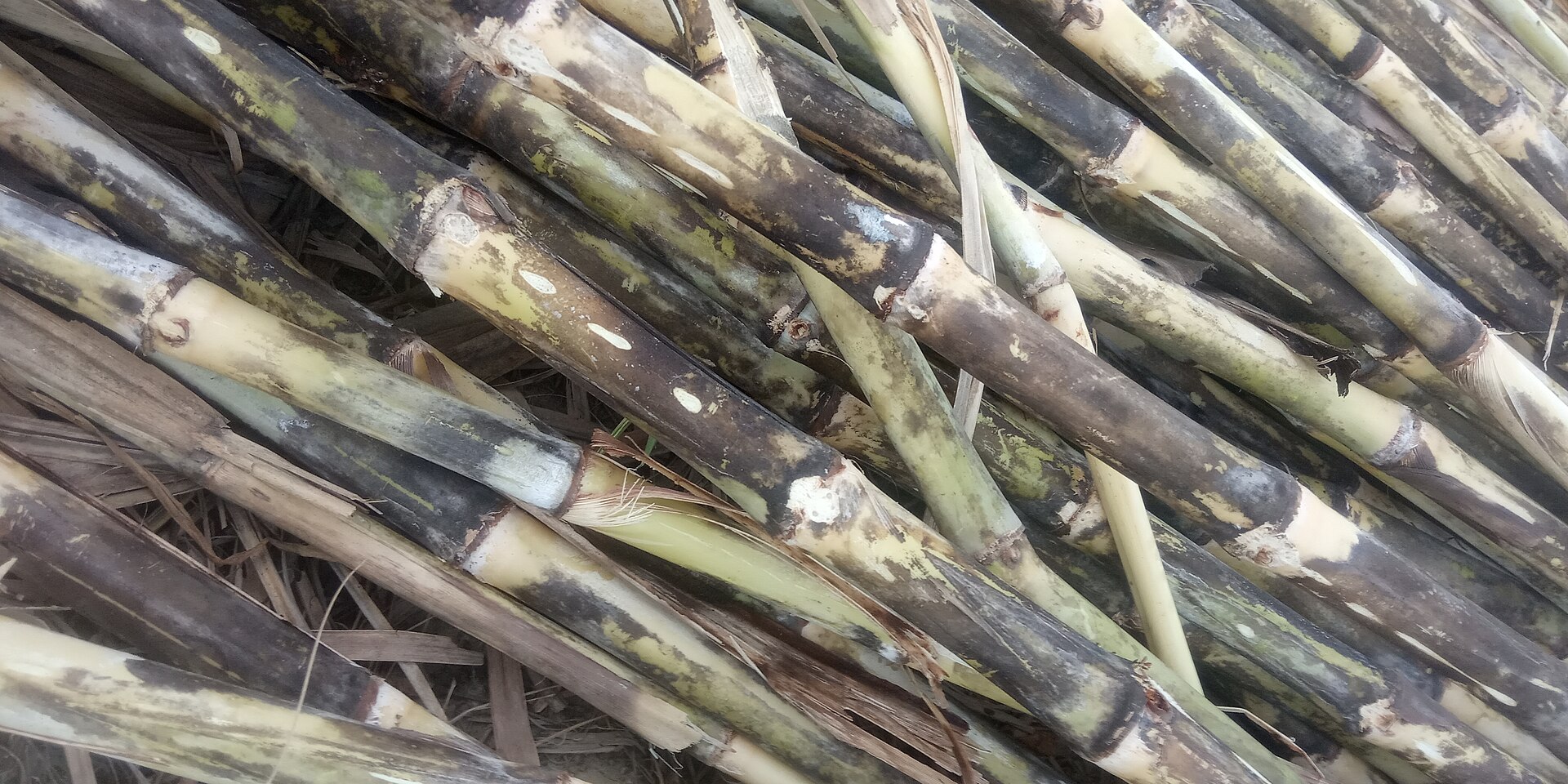
Featured image: File.sugacane crop by Mayank 3031, via Wikimedia Commons (CC BY-SA 4.0).
Reporting is based on the publicly available sources listed above and has been independently written by Food Tech Insider.