DoorDash to Acquire Instacart for $17 Billion, Combining Grocery Delivery, Enterprise E-Commerce Tech and Retail Media
DoorDash has agreed to buy Instacart for about US$17 billion. The deal would put the largest US restaurant delivery platform and the leading grocery technology provider under one owner, and it is the biggest consolidation move in online grocery so far. Announced on 29 October, the transaction values Instacart (Maplebear Inc.) at US$65 per share, a 26% premium to its closing price on 22 October, the last trading day before media reports of a possible deal.
Instacart’s board has unanimously approved the agreement. Holders of about 19% of Instacart’s shares have agreed to vote in favour. Closing is expected at the end of 2027 or in the first half of 2028, subject to Instacart shareholder approval, US Hart-Scott-Rodino review and regulatory clearance in Canada and Israel.
Deal structure: mostly cash, bridge-financed
At least 75% of the consideration will be paid in cash. Instacart shareholders can elect to receive US$65 in cash, 0.3372 DoorDash shares, or a mix of US$48.75 in cash plus 0.0843 DoorDash shares for each Instacart share. Stock is capped at 25% of the total, with proration if stock elections are oversubscribed.
DoorDash plans to fund the cash portion from cash on hand and new debt. It has signed a commitment letter with JPMorgan Chase Bank for a 364-day senior unsecured bridge loan, and says it is targeting a capital structure that keeps investment-grade ratings. Centerview Partners is lead financial adviser to DoorDash, with J.P. Morgan also advising. Goldman Sachs is advising Instacart.
What DoorDash is buying: grocery software, not just delivery
Instacart describes itself as a grocery technology company. It works with more than 2,200 retail banners, representing nearly 100,000 stores, through Instacart Marketplace, its Instacart Enterprise platform for retailers’ own e-commerce, fulfilment and in-store technology, and the Instacart Ads business. After closing, DoorDash expects to keep the Instacart brand, app and enterprise technology products.
The companies say the combined business would let grocers of any size use Instacart’s technology to run their own websites and retail media networks, and add capacity for online orders through DoorDash’s DashMart Fulfillment Services. They also say Instacart customers could reach more than 50,000 additional stores, and that merging the DashPass and Instacart+ memberships would save members an estimated US$100 million a year in fees.
“Grocery is one of the hardest things to get right online. Someone has to pick a ripe avocado, find a substitute you’d choose yourself, and get the ice cream to you before it melts,” said DoorDash co-founder and CEO Tony Xu. Instacart CEO Chris Rogers said combining Instacart’s “purpose-built grocery technology and trusted retailer and brand relationships” with DoorDash’s reach and logistics would create new opportunities for retail and brand partners.
Retail media is the prize for CPG brands
For food and beverage manufacturers, the most important part of the deal may be advertising. DoorDash told investors that “combined reach and cross-selling opportunities across different categories” would benefit advertisers looking for scaled platforms, Adweek reported. According to Adweek, combining the two media networks could create an advertising business for CPG brands and retailers that only Amazon’s and Walmart’s might surpass.
Alex Frederick, senior foodtech analyst at PitchBook, told FoodNavigator that the deal is a bet that “the next phase of US delivery will be won on the weekly grocery order rather than the takeout order.” He added that if the deal clears, “advertising may matter more to the investment case than delivery fees.” Frederick also pointed to the funding backdrop. Global VC investment in online grocers fell from US$20.3 billion in 2021 to US$566 million through Q3 2026, according to PitchBook data, leaving consolidation as the main route to scale.
Antitrust scrutiny ahead
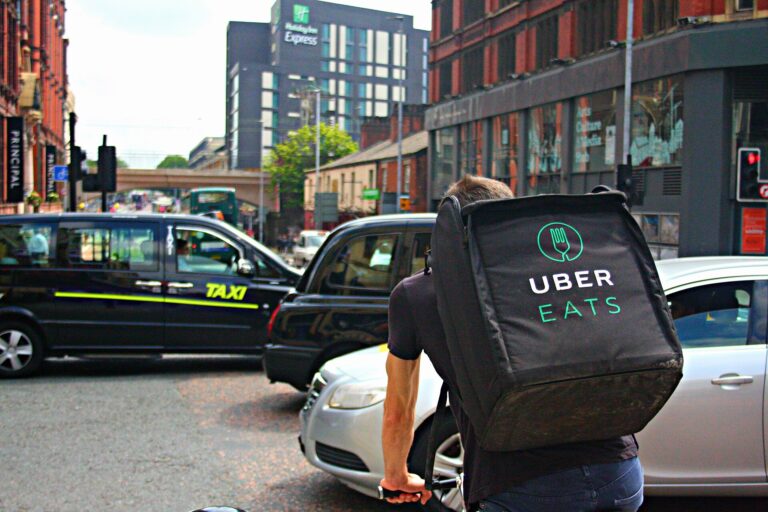
Market concentration will be the central regulatory question. Consumer Edge data cited by FoodNavigator shows DoorDash took 59% of spending across major US delivery apps in the third quarter, up from 44% in Q2 2021. Instacart and Uber Eats each took roughly 18%. Antitrust advocates at the American Economic Liberties Project have already come out against the deal.
DoorDash is trying to get ahead of those concerns with post-close commitments. It says the platform will stay open, with no grocery exclusivity, so local grocers can keep working with any delivery partner. It also says Instacart shoppers will keep their current flexibility. The companies frame the real competition as Walmart and Amazon, which run their own delivery fleets, warehouses and AI shopping assistants. Separately, the FTC has opened an inquiry into personalised pricing and ordered DoorDash, Instacart, Uber, Walmart, Target and others to provide information on how they use personal data to set prices.
What to watch
- Retailer response: whether regional grocers running on Instacart Enterprise treat a DoorDash-owned platform as a partner or a competitive risk.
- Ad network integration: how fast DoorDash and Instacart combine audiences, measurement and self-serve tools for CPG advertisers.
- Remedies: whether US, Canadian or Israeli regulators demand conditions on exclusivity, data use or pricing.
- Rivals: how Uber Eats, Walmart and Amazon adjust grocery delivery pricing and retail media offers during a review period that could last more than a year.
Sources & Credits
- DoorDash – DoorDash to Acquire Instacart to Help Local Stores Win (29 Oct 2026)
- Instacart Investor Relations – DoorDash to Acquire Instacart to Help Local Stores Win
- SEC – DoorDash Form 8-K on the Instacart merger agreement (28 Oct 2026)
- FoodNavigator – DoorDash’s Instacart deal promises CPG better ad reach, raises antitrust concerns (30 Oct 2026)
- Adweek – DoorDash Buying Instacart Challenges Uber’s $2 Billion Ad Business
- AP News – DoorDash offers $17 billion for Instacart (29 Oct 2026)
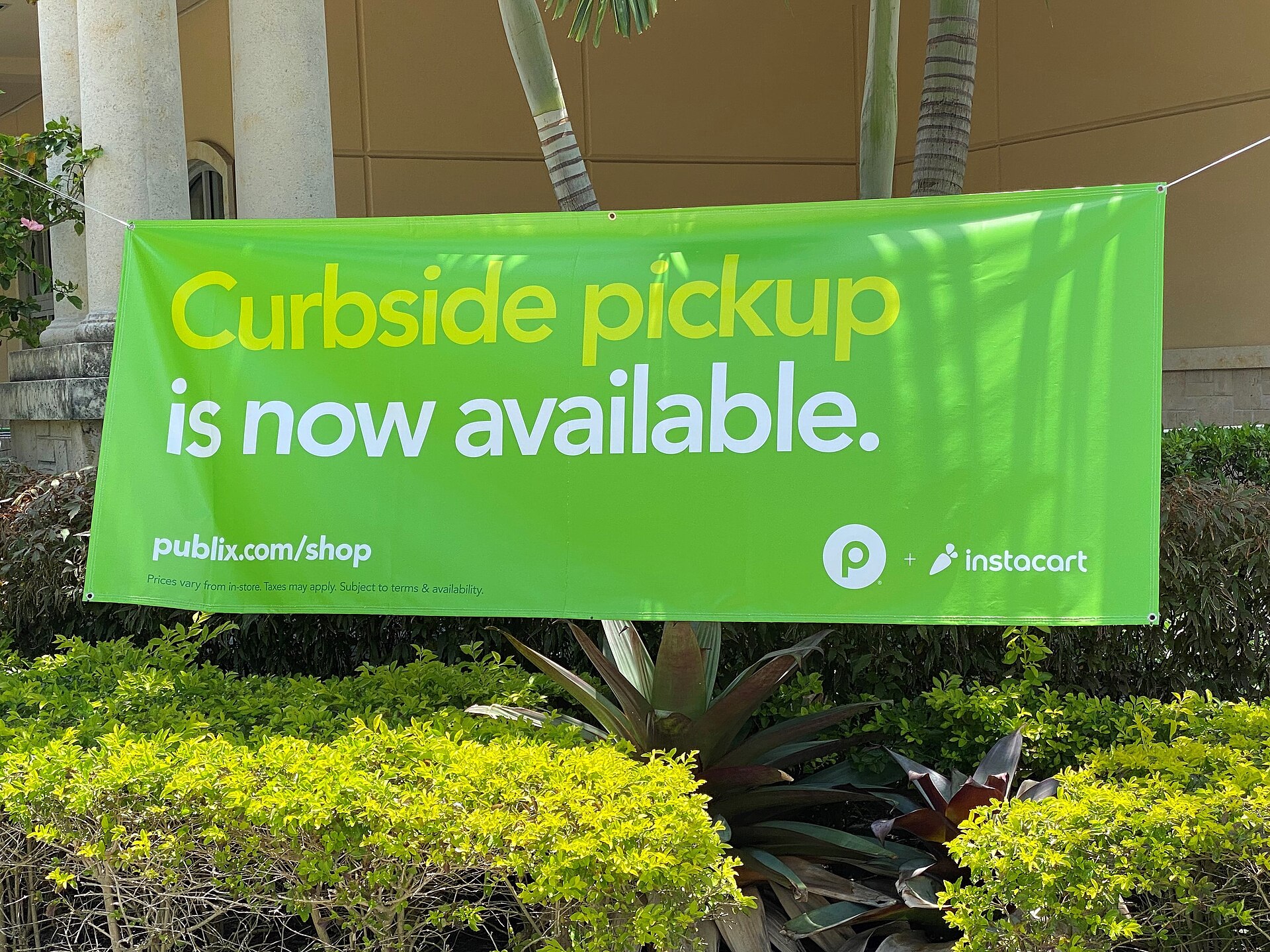
Featured image: Publix Instacart Curbside Pickup, West Miami by Phillip Pessar, via Wikimedia Commons (CC BY 2.0).
Reporting is based on the publicly available sources listed above and has been independently written by Food Tech Insider.