PLASTPOM and Gdańsk Tech Win EU Funds for Biodegradable Berry Pack That Cools Faster
Polish packaging manufacturer PLASTPOM and Gdańsk University of Technology have won nearly PLN 1.47 million in EU funding to develop a biodegradable fruit container designed not only to protect soft berries but also to cool them faster. The PLASTPOMCoolBioPack project has a total budget of about PLN 2.02 million under the European Funds for Western Pomerania programme and targets blueberries, raspberries and blackberries first.
The brief combines material science with cold-chain physics. Researchers in Gdańsk Tech’s Department of Polymer Technology will work on a fully biodegradable polymer that resists moisture uptake, while the tray geometry will include a ventilation system intended to shorten cool-down times and improve heat exchange in packing houses and cold stores.
Why cooling speed is a packaging problem
Delicate berries lose quality quickly when field heat stays trapped in the pack. Faster temperature pull-down after harvest cuts respiration, slows mould and reduces the energy cold rooms spend fighting warm product. Most commercial punnets still prioritise visibility and stack strength over airflow. PLASTPOMCoolBioPack is trying to make ventilation and biodegradability coexist—without the moisture absorption that can weaken starch-based bioplastics in high-humidity chillers.
Potential customers listed by the partners include growers, packers, producer groups, cold stores, logistics hubs and retailers. That buyer set matters: fruit packaging only scales when it survives the full path from field cooling to retail display, not just a lab humidity test.
Building on a polymer already in the market
The project is not a first meeting between the company and the university. An earlier Gdańsk Tech invention—protected by European patent EP3064542—was industrialised with Bio Plast Pom into NOPLA, a range of biodegradable and compostable thermoplastic-starch granulates. The academic team helped design a production line rated at 12 tonnes per day, commissioned it and trained operators. NOPLA granulates are already sold for rigid packaging and disposables in Poland, Germany and the Netherlands.
PLASTPOMCoolBioPack uses that scale-up experience as a springboard. Alongside industrial research and pre-commercial design work, the partners plan industrial and utility design filings and further staff training in bioplastics and ecological design—signals that they expect a manufacturable tray, not a prototype pamphlet.
What food and produce buyers should watch
For fresh-produce and CPG packaging teams, the commercial questions are concrete: cool-down minutes versus incumbent PET or PP punnets, crush strength under pallet loads, condensation behaviour, compostability or industrial biodegradation claims that can survive EU green-claims rules, and cost in use once the EU grant ends.
If the ventilated bio-tray hits those marks, it sits at the intersection of two foodtech priorities—plastic reduction and cold-chain energy efficiency. The next milestones to track are pilot packing trials on berry lines and whether NOPLA’s existing customer base in Northern Europe becomes the first commercial channel for the new container.
Sources & Credits
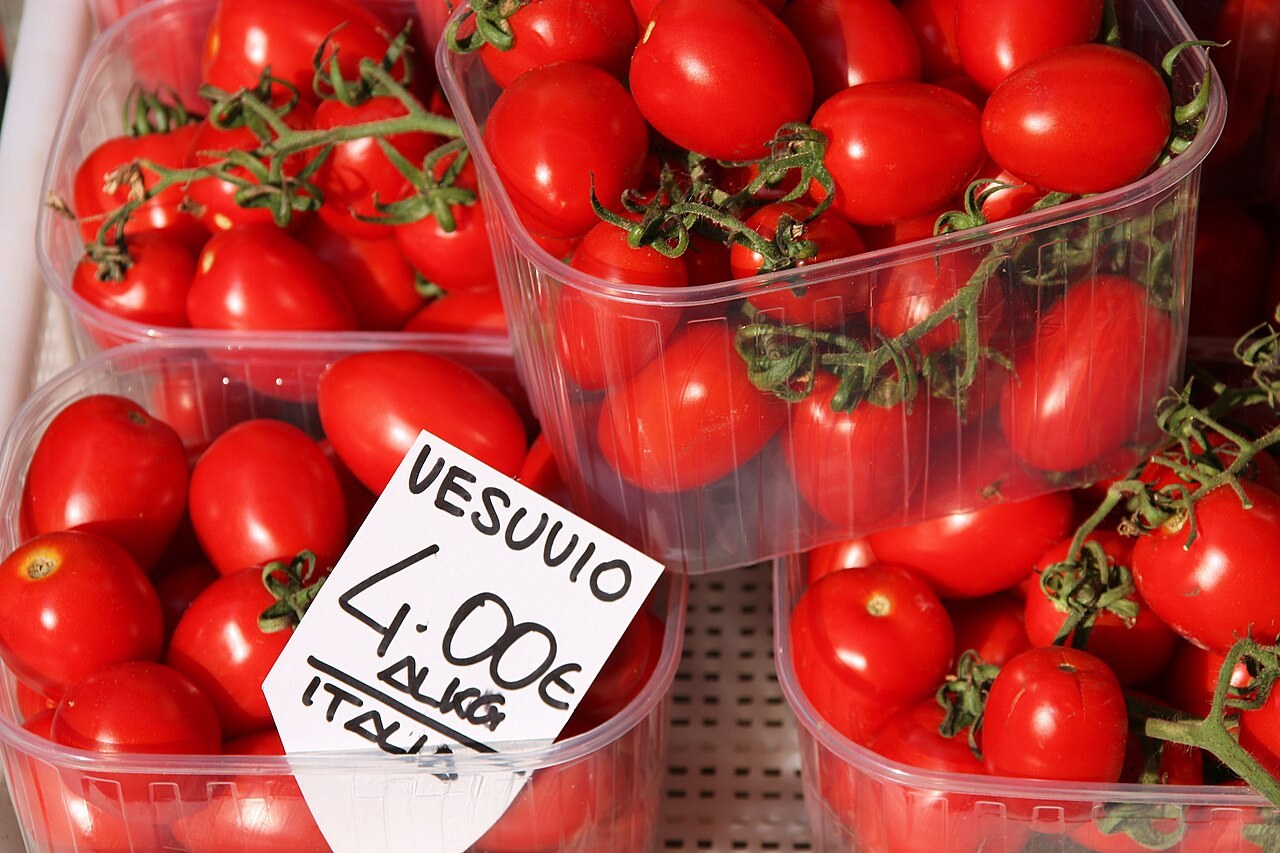
Featured image: Tomatoes in transparent plastic punnet packaging by Marek Ślusarczyk, via Wikimedia Commons (CC BY 3.0).
Reporting is based on the publicly available sources listed above and has been independently written by Food Tech Insider.