TUM and Solar Foods Develop Sunlight-Powered Hydrogen for Air Protein in EU SOLARSPOON Gas Fermentation Project
Researchers at the Technical University of Munich (TUM) are developing a way for microbial protein production to generate its own hydrogen from sunlight. If it works, gas-fermentation producers would no longer need to buy hydrogen or make it with grid electricity. The work is part of SOLARSPOON, an EU-funded consortium led by the University of Cambridge, with Finnish air protein company Solar Foods as its industry partner.
Removing the hydrogen bottleneck
Solar Foods produces its Solein protein ingredient by growing autotrophic bacteria in bioreactors fed with carbon dioxide, water and nitrogen. Hydrogen acts as the energy source and electron donor that drives the cells’ protein production. In current setups, that hydrogen comes from external suppliers or is produced on site by electrolysis, which links the process to electricity infrastructure and energy costs.
SOLARSPOON aims to remove that dependency. The partners want to build a single, self-contained unit that captures sunlight and produces the hydrogen itself, without first converting sunlight into electricity. According to TUM, this could make microbial protein production usable in regions threatened by famine and at remote research stations.
Protecting oxygen-sensitive enzymes
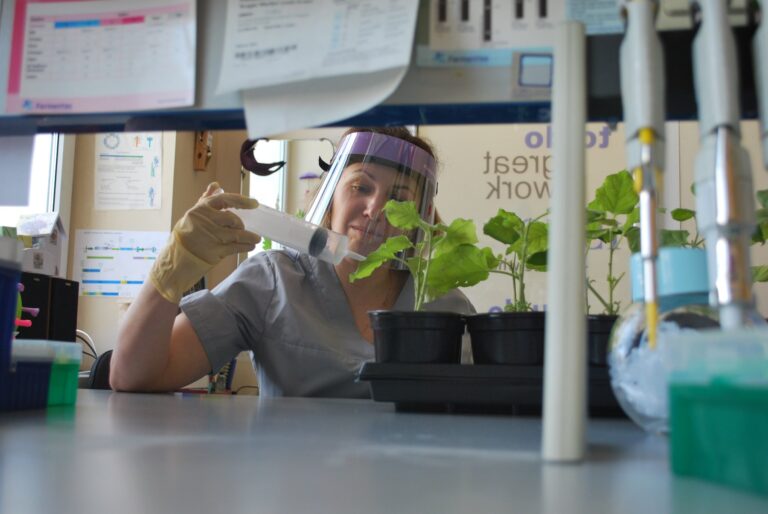
The TUM team led by Nicolas Plumeré, Professor of Electrobiotechnology, works with hydrogenases. These bacterial enzymes can convert electrons and water into hydrogen, but they are highly sensitive to oxygen and quickly become inactive, which has limited their use outside the lab. The group has developed a patented polymer film that shields hydrogenases from oxygen and creates a microenvironment in which they can produce hydrogen efficiently. The team is now working to integrate the film into the SOLARSPOON system so it remains stable during protein production.
“We will likely need to find new ways of producing food,” said Plumeré, citing UN projections that global food demand will rise by around 60% by 2050.
Five partners, one device
According to vegconomist, which draws on Cambridge’s July 2025 project announcement, the partners divide the work as follows:
- University of Cambridge (lead) uses photosynthetic bacteria to capture energy from sunlight;
- TUM turns that energy into hydrogen;
- Solar Foods uses the hydrogen to produce protein;
- Imperial College London is developing microbes that produce fats;
- Technical University of Denmark (DTU) is helping build the combined unit.
The EU’s CORDIS database describes SOLARSPOON as a European Innovation Council-funded project running from 1 November 2025 to 31 October 2029. Vegconomist puts the funding at just under €4 million. The project aims to integrate cyanobacteria and food-producing microbes into stand-alone photoelectrochemical devices that convert CO2 and nitrogen from air into protein- or lipid-rich food materials. Its stated target is a prototype that reaches 1% solar-conversion efficiency or outperforms current agricultural food production. CORDIS names Solar Foods as an immediate potential beneficiary.
Fats are part of the plan from the outset. “With some modifications, the process could be used to process not only proteins but also fats from components of ambient air,” Plumeré said. TUM’s Chair of Circular Economy and Sustainability Assessment, led by Magnus Fröhling, is assessing the system’s energy efficiency, scalability and sustainability at larger scale.
Why it matters
Hydrogen is a core input for gas-fermented protein. Today, a Solein-type process relies on externally supplied hydrogen or on-site production using electricity. A system that produces hydrogen directly from light could, in principle, decouple production from grid infrastructure and open up off-grid or distributed deployment. The project is still at the research stage, and its 2029 timeline means any commercial application is several years away.
For Solar Foods, the research sits alongside its regulatory progress in Europe, where Solein received a positive EFSA opinion earlier this month. Together, they show the company pursuing near-term market access for its current process while backing longer-term work on the energy input at its core.
Sources & Credits
- TUM – How sunlight and microbes could be turned into food (19 Nov 2026)
- vegconomist – Solar Foods Partners Work on Air Protein System That Runs on Sunlight Alone (23 Nov 2026)
- CORDIS – SOLARSPOON project fact sheet (grant agreement 101219355)
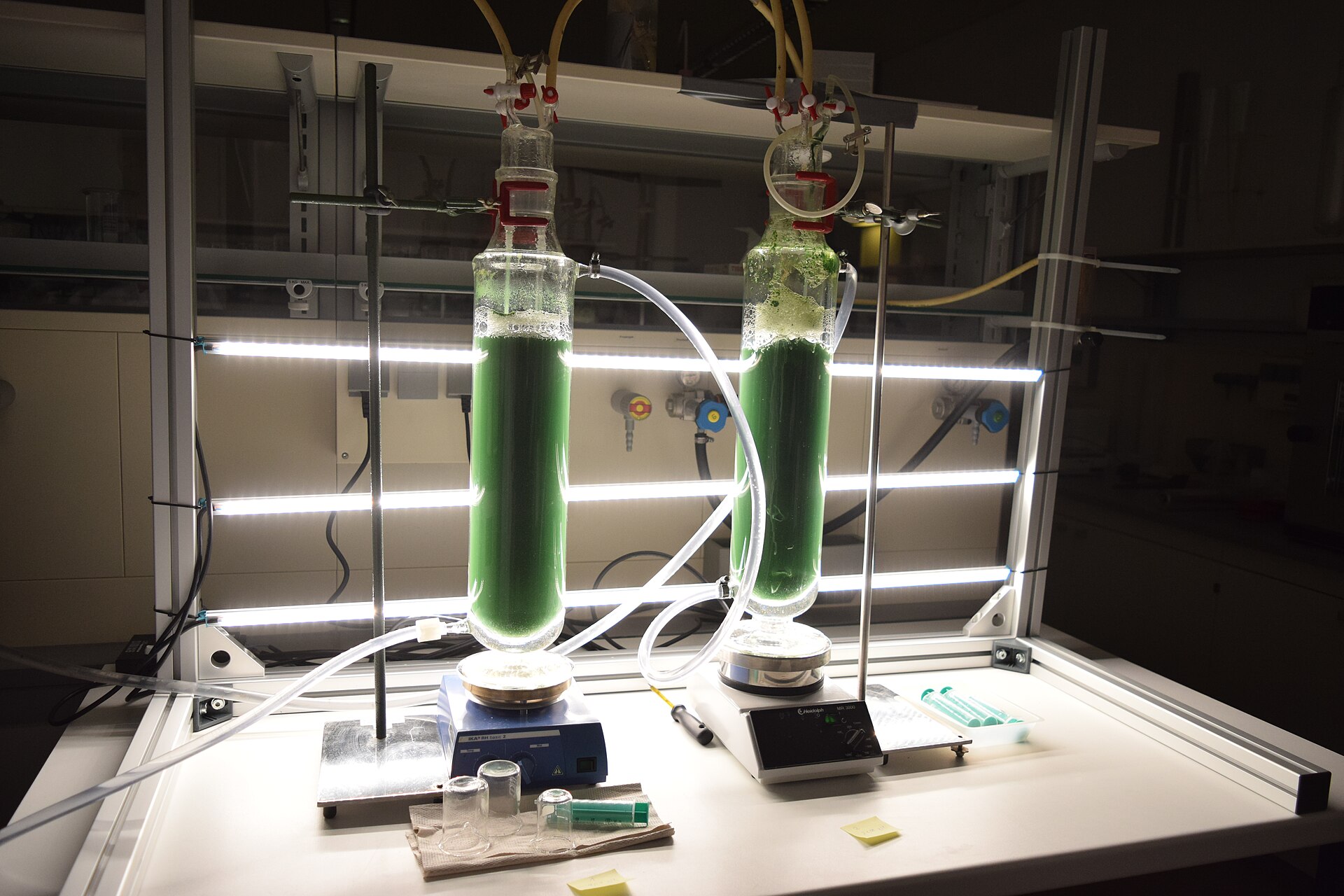
Featured image: Bench-scale photobioreactor 1 by Luis Fernando Flores LAB, via Wikimedia Commons (CC BY-SA 4.0).
Reporting is based on the publicly available sources listed above and has been independently written by Food Tech Insider.