SeaWith Plans 400-Tonne Cultivated Meat Plant in Uiseong With 2,000-Litre Bioreactors, Committing ₩20B to Scale Hanwoo Cultivated Beef
South Korean cultivated meat developer SeaWith has committed ₩20 billion (about US$14.9 million) to an industrial-scale production facility in Uiseong County, North Gyeongsang Province. The company plans to have a GMP-compliant plant running there in 2027 with capacity for 400 tonnes of cell-cultured food a year, later expanding to 1,200 tonnes.
The investment was set out in a memorandum of understanding signed on 6 November with the Gyeongsangbuk-do provincial government and Uiseong County. Chief executive Keum Joonho has stressed that the MoU is non-binding and subject to approval, but the plan gives one of the clearest pictures yet of how a Korean cultivated meat company intends to move from pilot runs to commercial volumes.
From 500-litre approval batches to 2,000-litre production
SeaWith already operates from the Uiseong Cell Culture Industry Support Center. According to Keum, the company has banked more than 7,000 vials of cells from Uiseong Hanwoo cattle, selected with the help of AI, and is running three 500-litre bioreactors on site to make the batches needed for its regulatory dossier.
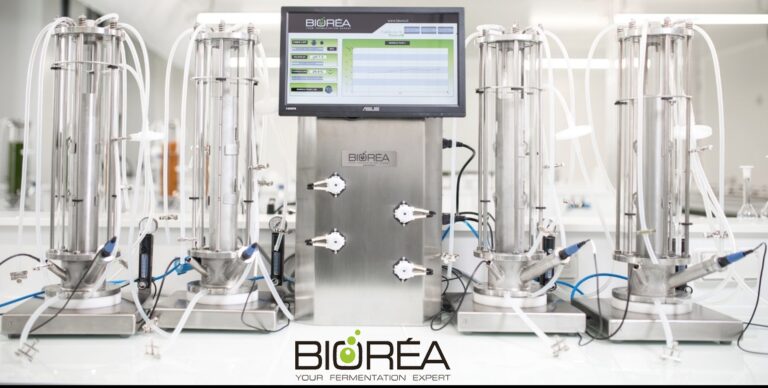
The new facility is designed around three 2,000-litre bioreactors, which Green Queen reports would expand SeaWith’s bioreactor capacity roughly fourfold. After 2027, the company plans to add processing, logistics and further mass-production modules in stages to reach 1,200 tonnes a year and use the site as a base for exports.
- Investment: ₩20 billion (about US$14.9 million) under the MoU.
- Phase one: GMP-compliant plant with three 2,000-litre bioreactors and 400 tonnes of annual capacity, targeted for 2027.
- Later phases: staged expansion to 1,200 tonnes a year.
- Jobs: 46 roles at the Uiseong site.
Seaweed scaffolds and Hanwoo minced meat
Founded in 2019, SeaWith uses seaweed-derived materials to culture animal cells and is developing cultivated beef under its Welldone brand, starting with minced products such as meatballs made from Hanwoo cells. The company is positioning cultivated meat as a complement to Korea’s premium cattle sector rather than a replacement for it.
“We will enhance the gourmet value of Hanwoo from existing farms, while SeaWith will take the lead in minced meat production to stabilise distribution costs and expand the foundation for Hanwoo exports,” Keum said.
Cost reduction remains central to that pitch. In December 2025, SeaWith signed a supply agreement with UK-based 3D Bio-Tissues for a cell culture supplement that vegconomist reported was expected to cut its production costs by around 30%.
A cluster built around a regulation-free zone
Uiseong was designated a cell-cultured food regulation-free special zone in 2024, giving companies exemptions from some regulatory hurdles to speed up research and scale-up. The MoU was signed at the newly completed Uiseong Biofood Valley, a 225,844-square-metre site that is the province’s first industrial complex dedicated to food production. Construction also started the same day on a ₩14.5 billion Cell Culture Food Tech Research Support Center, due to open in 2027 to help companies with process development, scale-up and regulatory applications.
Plant-based protein manufacturer Ograe Agricultural Corporation signed at the same ceremony, committing ₩25.5 billion to a new plant and 37 jobs. The provincial government put the two agreements at a combined ₩45.5 billion and 83 jobs, to be delivered in phases.
Regulatory filing is the next milestone
Keum has said SeaWith plans to file an application with South Korea’s Ministry of Food and Drug Safety this year, and will begin commercial production once it is approved. It is competing with other domestic developers, including CellMeat and Simple Planet, to secure the country’s first cultivated meat clearance. The company has also said it is exploring the US as a potential market for the same production model.
For investors and equipment suppliers watching Asian cultivated meat, the Uiseong project is a test of whether a regional cluster model – shared public infrastructure, a regulatory sandbox and anchor tenants – can carry a startup from approval batches to GMP-scale bioreactor capacity. The deciding factors will be the timing of MFDS approval and whether SeaWith can finance the build on the schedule it has set out.
Sources & Credits
- vegconomist – SeaWith to Build 400-Ton Cultivated Meat Plant in South Korea’s Uiseong County (11 Nov 2026)
- Green Queen – South Korea’s SeaWith to Build $15M Cultivated Meat Facility in Food Tech Hub (10 Nov 2026)
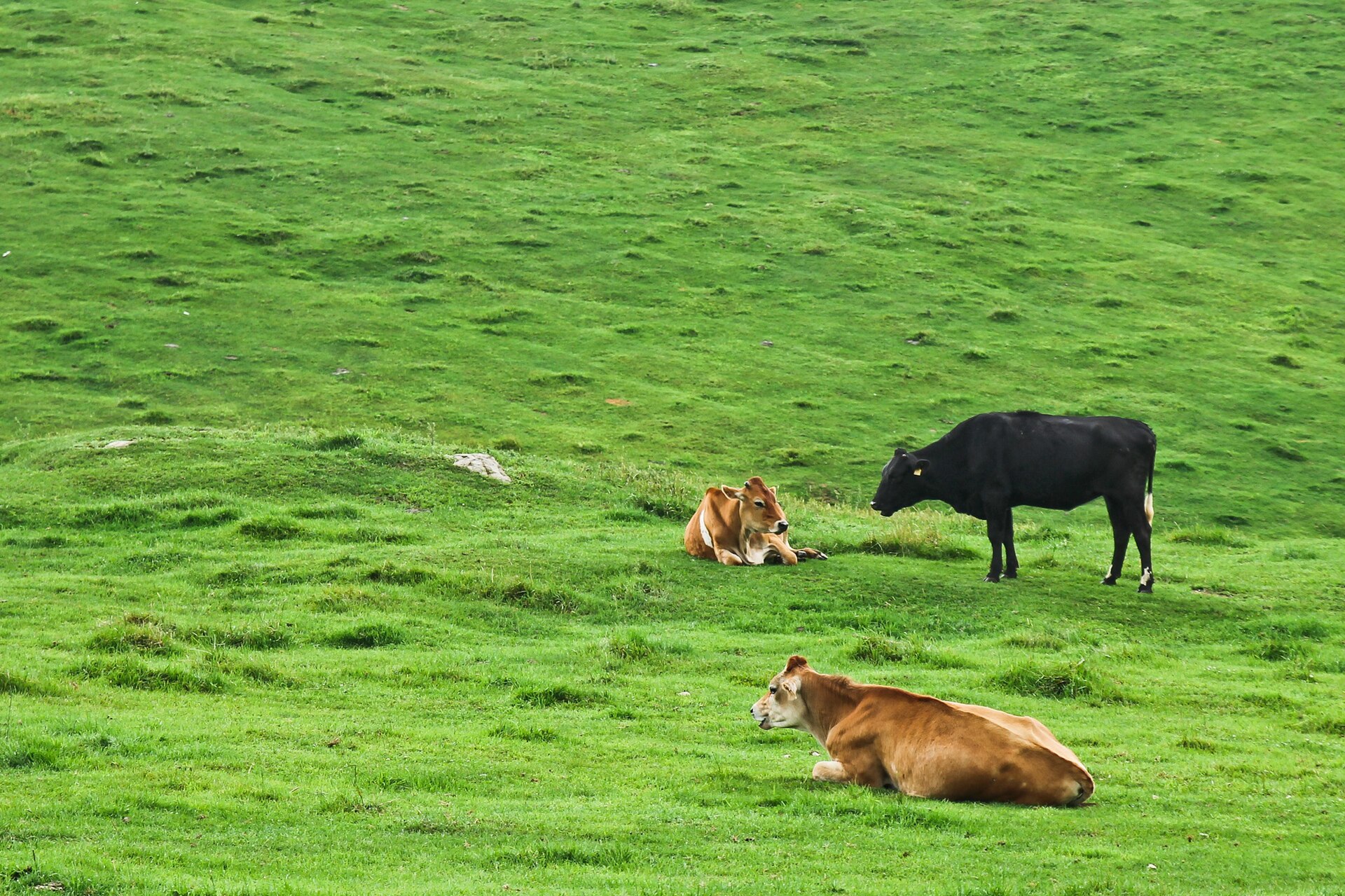
Featured image: Hanu (Korean cattle) by mino park, via Wikimedia Commons (CC0).
Reporting is based on the publicly available sources listed above and has been independently written by Food Tech Insider.