Aleph Farms and Mottainai Food Tech Win S$1M Bezos-Backed Sustainable Protein Grants for Cultivated Beef and Okara Fermentation
Cultivated beef developer Aleph Farms and Singapore start-up Mottainai Food Tech have each received S$1 million (about US$780,000) as winners of the 2026 Sustainable Protein Growth Stage Grant. The grant is run by Enterprise Singapore and the Bezos Centre for Sustainable Protein at the National University of Singapore. The awards were presented on 28 October 2026 at the Asia-Pacific Agri-Food Innovation Summit in Singapore.
The two winners use very different technologies: cell-cultivated whole-cut beef on one side, and solid-state fermentation of a soy processing side-stream on the other. Both now face the same task of moving from proven technology to commercially viable production.
How the growth-stage grant works
When the call opened in January, FoodNavigator reported that it was aimed at start-ups at technology readiness levels 7 to 9, meaning technologies already tested and ready for commercial launch. Each winner could receive up to S$1 million in cash, with S$500,000 from the Bezos Earth Fund via the Bezos Centre @ NUS and S$500,000 from Enterprise Singapore. The programme draws on a US$3 million Bezos Earth Fund grant. About half supports early-stage start-ups and half supports up to three growth-stage companies. Two growth-stage winners were named this year.
Enterprise Singapore described the grant as an alternative source of funding given “challenges in today’s investment landscape”. That is a fair description of current alternative protein financing, where venture rounds for scale-up have become scarce.
Aleph Farms: premium cuts first
Israel-based Aleph Farms has regulatory clearance for its cultivated beef in Singapore. It has said it expects to begin production and launch with selected restaurant partners in the first half of 2027. Speaking at the award showcase, co-founder Didier Toubia framed cultivated meat as a way to diversify a strained protein supply chain. He pointed to disruptions ranging from Covid and the war in Ukraine to African swine fever, avian flu and tariffs.
The company is focusing on beef because plants struggle to copy it. “It’s very difficult to replicate the taste, flavour and cooking properties of beef just with plants,” Toubia told FoodNavigator. “And there is no good solution for cuts, producing the texture and the bite of a whole cut.” Aleph Farms says its product has 80% less cholesterol than conventional beef. It also claims 92% lower carbon emissions, 98% less land use and 99% less water use. These are company figures and were not independently verified in the coverage.
On cost, Toubia said “the profitability and the scalability are proven now, especially for the right products”. The phrase “right products” matters: the commercial case rests on high-value cuts such as sirloin rather than ground meat, where cultivated cells would compete with the cheapest form of beef.
Mottainai: upcycled okara for hybrid meat
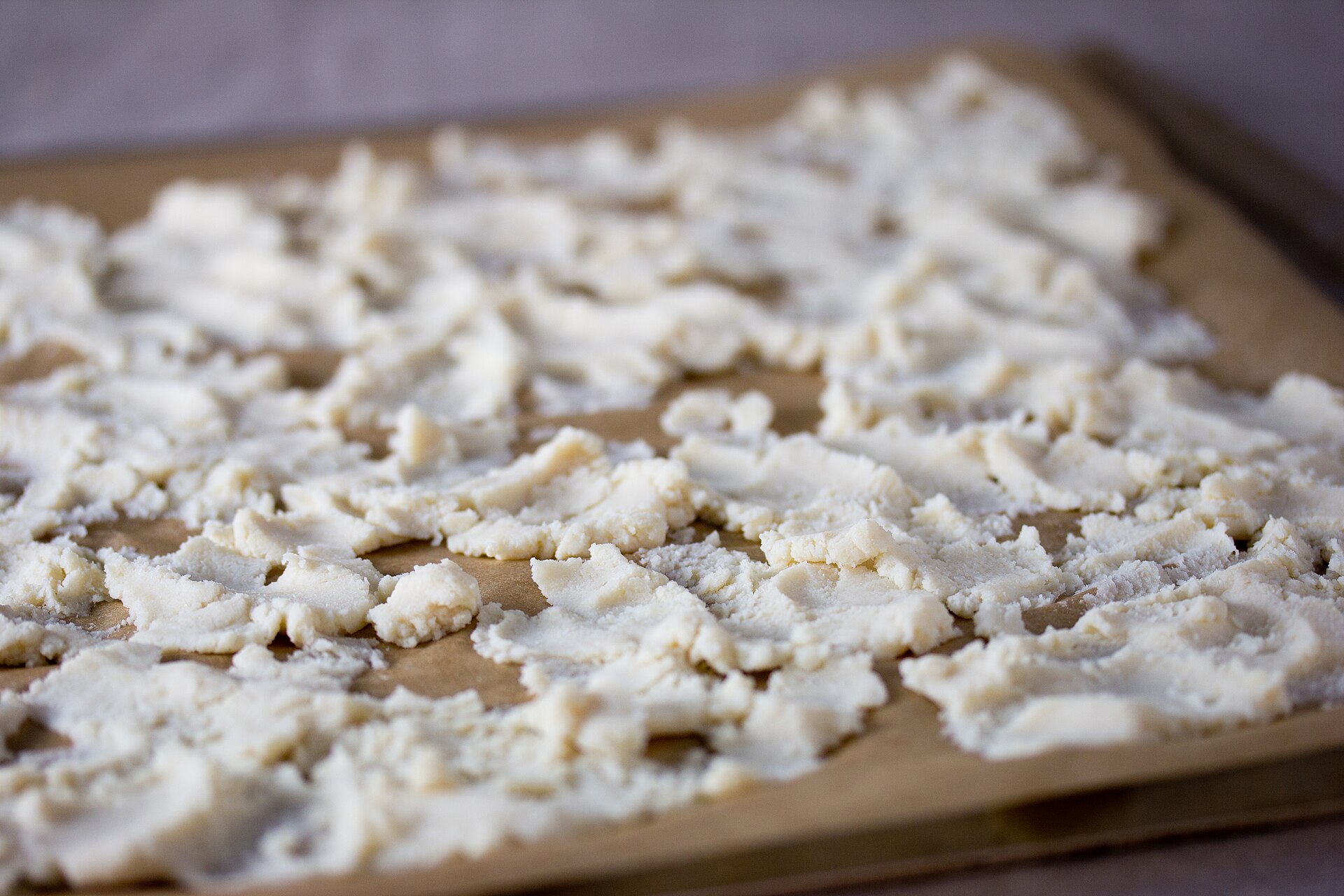
Mottainai Food Tech takes the opposite route. It starts with okara, the low-value soy pulp left over from tofu and soy milk production. It uses solid-state fermentation to turn the okara into Jiro Meat, an ingredient it describes as clean-label and nutrient-dense. Instead of pitching a full meat replacement, the start-up is targeting hybrid products that blend Jiro Meat with conventional meat.
Its own figures make the case to manufacturers in cost terms. Mottainai says replacing 50% of chicken or pork with Jiro Meat can cut the cost per cooked kilogram by 18% and raise yield by 9%. It says the ingredient absorbs the juices that meat releases during cooking, keeping cooking losses below 5%. Those claims come from the company and will need to hold up in customers’ own processing trials.
What the pairing says about alternative protein’s next phase
Together, the two awards show where public and philanthropic money is going as private capital becomes more selective. Aleph Farms is going after the premium end, where cultivated cells offer something plant proteins cannot. Mottainai starts from cheap feedstock and offers manufacturers a partial switch rather than an all-or-nothing replacement. Both are betting that the next phase of alternative protein will be decided on unit economics and fit with existing production, not on technology demonstrations.
For Singapore, the awards fit its broader strategy to lead in sustainable protein. For other markets, the 2027 milestones to watch are Aleph Farms’ restaurant launch timeline and whether Mottainai’s yield and cost claims convert into hybrid-meat supply contracts.
Sources & Credits
- FoodNavigator – From cultivated beef to fermented soy: Bezos-backed protein innovators target cost and scale (30 Oct 2026)
- FoodNavigator – Million-dollar Sustainable Protein grant aims to fast-track market entry (19 Jan 2026)
- Asia-Pacific Agri-Food Innovation Summit 2026 – Sustainable protein grant awards & showcase (28 Oct 2026)
Featured image: Soy Okara by Veganbaking.net, via Wikimedia Commons (CC BY-SA 2.0).
Reporting is based on the publicly available sources listed above and has been independently written by Food Tech Insider.