IntegriCulture Raises ¥100M From Niigata Venture Capital to Build Cellular Agriculture Around Sake Breweries and Sake Lees
Japanese cellular agriculture company IntegriCulture has secured new funding from Niigata Venture Capital through its Regional Revitalization Niigata Fund II. The company plans to build cell-culture production around Niigata Prefecture’s sake brewing and food processing industries. The investor announced the deal on 28 October 2026 without stating an amount. Green Queen reports that the investment is ¥100 million (about US$635,000) and forms part of a planned ¥700 million (about US$4.5 million) extension to IntegriCulture’s Series A.
According to Green Queen, IntegriCulture has raised ¥375 million (about US$2.4 million) of that extension so far, on top of an original Series A of ¥800 million in 2020. “A few others may join toward the year-end,” founder and CEO Yuki Hanyu told the publication.
Sake lees and brewing water as cell-culture inputs
IntegriCulture, which describes itself as a cellular agriculture infrastructure platform, wants to make cell culture “usable by everyone”. In Niigata, that means using underused regional resources as culture inputs. Niigata Venture Capital names sake lees (sake kasu) and algae residue, and says this allows a business model that combines food security, resource recycling and lower environmental impact.
The company’s CTO and co-representative director Kawashima said the partners had found new possibilities, including that cells grow in brewing water and sake lees. He described Japan’s brewing and fermentation know-how as the origin of the country’s biotechnology. He also said IntegriCulture had learned a great deal from it about optimising and standardising the environment in which cells grow.
Regional partners include fish-paste maker Ichimasa Kamaboko, Tsunan Brewery, and universities and foodservice businesses in the prefecture. The Tsunan collaboration, announced in December 2025, combines the brewery’s natural water with IntegriCulture’s cell-culture technology to make and evaluate prototype cultivated foods and cosmetic ingredients. PPTI reports that the longer-term plan is to install cultivation equipment at the brewery and run a small production site on a microbrewery model. IntegriCulture intends to repeat the approach at other breweries and food plants in Japan.
Where the money goes
According to the investor’s announcement, IntegriCulture will use the funds in four areas:
- Cosmetics: faster ingredient development and product launches in its cell-agriculture cosmetics business, which it sees as a route to early revenue and greater recognition.
- Regional network: partnerships with financial institutions and companies that back local innovation, to roll out cellular agriculture across Japan.
- B2B customers: a stronger sales team to bring more businesses onto its infrastructure platform.
- Core technology: more in-house R&D on infrastructure, aimed at making cellular agriculture commonplace.
Cosmetics comes first because the path to market is shorter. IntegriCulture’s Cellament serum ingredient is made by culturing cells from chicken eggs. Food applications follow a longer regulatory track. Green Queen reports that the company is developing cultivated products including seafood and duck, and that Hanyu said earlier this year that IntegriCulture became profitable in fiscal 2025.
Bags instead of big bioreactors
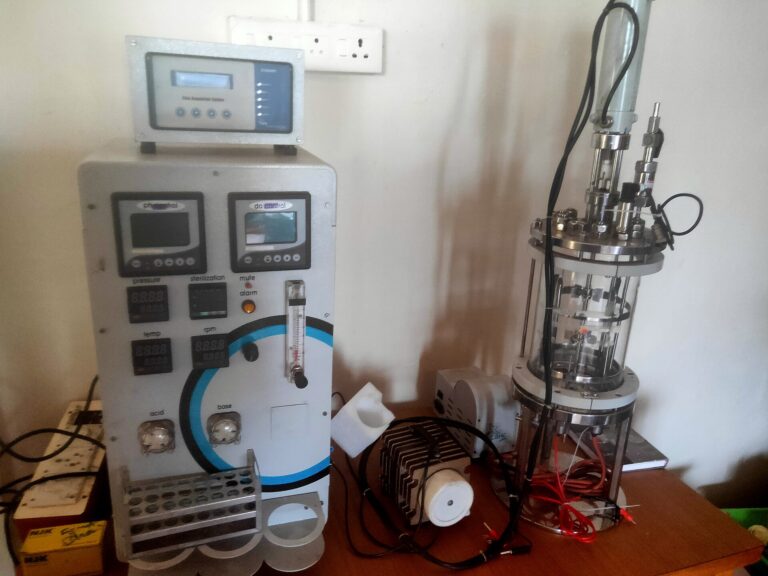
The Niigata plan fits a production model built on many small units rather than one large stainless-steel vessel. In March, IntegriCulture and Sumitomo Riko announced a partnership covering avian cell production demonstrations in Singapore and a planned contract manufacturing service in Japan. The partnership uses the Oxy-thru Cultivator, a 2-litre gas-permeable cell-culture bag developed within IntegriCulture’s CulNet Consortium. PPTI reports that the companies have achieved output of 1 kg per month per bag, including scaffolds. The bag sits inside an incubator and does not need equipment that injects oxygen directly into the culture. The March announcement also set a goal of filing for regulatory approval in Singapore during 2026.
A small-unit design like this suits sites such as breweries, which have process know-how, clean water and fermentation by-products but lack the capital for a large bioreactor plant.
Regional capital for foodtech
Niigata Venture Capital’s fund had a total size of ¥1.5 billion as of 31 March 2025. It invests mainly in companies in Niigata Prefecture and backs out-of-prefecture firms only when they are expected to have a significant impact on the local economy. The investor said it was drawn by IntegriCulture’s parallel food and cosmetics markets, the policy importance of food security and alternative proteins in Japan, and the fit with Niigata’s food processing, brewing and farming base.
“As the establishment of rules for cellular foods accelerates and the focus shifts to business demonstrations overseas, cellular agriculture is at a major turning point toward social implementation,” Hanyu said, according to Green Queen’s translation. He added that work on a food tech industry cluster that includes cellular foods has formally begun in Niigata. IntegriCulture has also signed a cultivated-food development agreement with Oisix ra daichi and joined the Niigata Food Tech Town initiative promoted by Oisix ra daichi and NSG Group.
The round is small next to Western cultivated meat financings. Still, it shows a funding model that could matter in a tight capital market: regional investors backing cell agriculture as local industrial policy, built on the infrastructure and by-products of traditional fermentation businesses.
Sources & Credits
- Niigata Venture Capital – Investment in IntegriCulture Inc. from Regional Revitalization Niigata Fund II (28 Oct 2026, Japanese)
- Green Queen – IntegriCulture Bags $635,000 as Part of Series A Extension to Scale Cellular Agriculture in Japan (30 Oct 2026)
- Protein Production Technology International – IntegriCulture secures Niigata backing to build cell agriculture around Japan’s brewing industry (28 Oct 2026)
- IntegriCulture – Partnership with Tsunan Sake Brewery
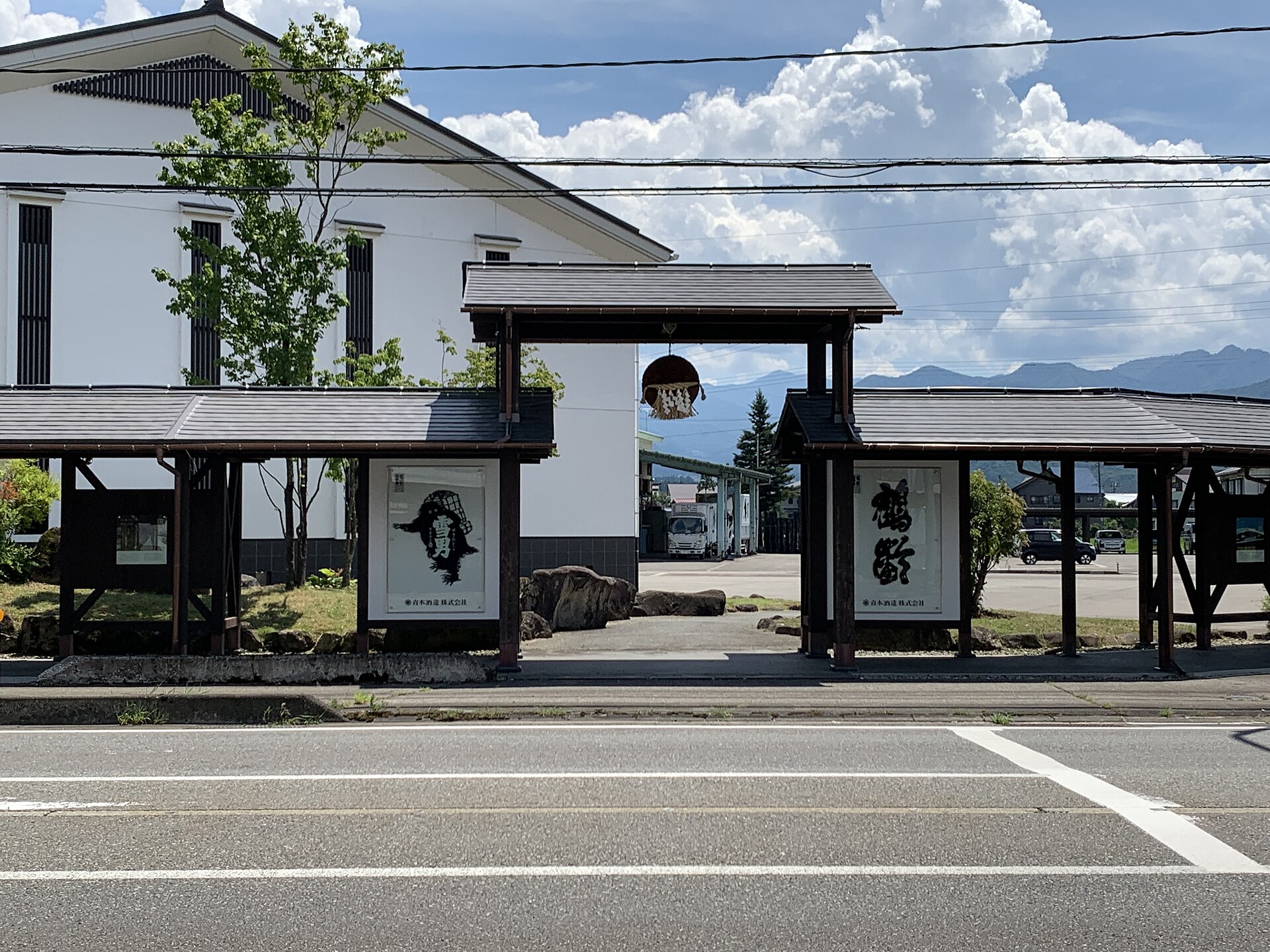
Featured image: AOKISHUZO The Sake Brewery, Minamiuonuma, Niigata by Tail furry, via Wikimedia Commons (CC BY-SA 4.0).
Reporting is based on the publicly available sources listed above and has been independently written by Food Tech Insider.