Oobli and Cosun Ingredients Co-Develop Sweet Protein and Chicory Fibre System for Zero-Sugar Chocolate
US sweet protein company Oobli and Cosun Ingredients have co-developed a sugar replacement system built specifically for chocolate. The system pairs Oobli’s precision-fermented sweet proteins with Cosun’s Frutalose chicory root fibre. The companies are making it available to select chocolate brands, and prototypes will be sampled at Cosun’s booth (#3371) at SupplySide Global in Las Vegas on 28–30 October.
Why chocolate is hard to de-sugar
In chocolate, sugar does more than sweeten. It provides bulk, mouthfeel and the crystal structure that gives the product its texture and snap. Oobli says most no-sugar chocolate therefore relies on a stack of sugar alcohols, rare sugars and high-intensity sweeteners, often at a cost to taste or gut comfort.
In the new system, the sweet proteins deliver sweetness while Frutalose, which Cosun developed for chocolate applications, supplies the bulk, mouthfeel, flow and crystallisation that sugar would otherwise provide. The companies say this allows chocolate that is zero sugar, free of sugar alcohols, fibre-forward and protein-sweetened, while keeping the taste and snap of conventional chocolate. They see potential to extend the approach to ice cream and baked goods.
“By combining Oobli’s sweet proteins with our groundbreaking Frutalose chicory root fiber, we are redefining what’s possible in zero sugar chocolates,” said Ken Horn, president North America at Cosun Ingredients. Oobli CEO Ali Wing told Green Queen the work shows sweet proteins “paired with the right ingredients, can solve even the hardest sugar-reduction challenges.”
How Oobli makes sweet proteins
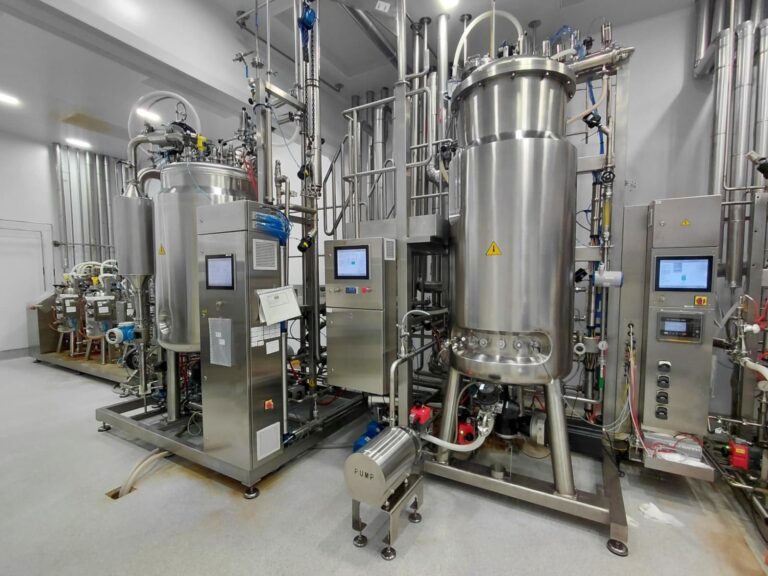
Oobli inserts the DNA sequences for sweet proteins found in African fruits into the yeast Komagataella phaffii. The yeast is grown in fermentation tanks, and the proteins are then filtered out and purified. Green Queen reports that its brazzein ingredient is up to 1,000 times sweeter than sucrose, and its monellin, based on the serendipity berry, is sweeter still. Because they are digested as proteins, Oobli says they do not raise blood glucose.
The company already sells its own low-sugar, protein-sweetened chocolate bars and works with manufacturers including Ingredion and Grupo Bimbo, according to Green Queen, which puts its total funding at nearly US$50 million.
Monellin opens to all brands
Alongside the Cosun partnership, Oobli has widened access to its monellin sweet protein, which had been limited to select global CPG and ingredient partners. It is now available to brands of all sizes and, Green Queen reports, is cleared for sale in the US as a sweetener and natural flavour. Oobli says blending sweet proteins with each other or with other sweeteners can lift sweetness intensity by up to 30% compared with using them alone, which lowers cost in use for formulators.
Oobli is also opening its Oobli Inside programme directly to manufacturers that want to reformulate high-sugar or artificially sweetened products. Accepted brands get hands-on product development support, advantaged partner pricing and an on-pack badge identifying products as protein-sweetened.
What it means for confectionery R&D
Sugar reduction in indulgent categories has mostly meant trading off taste, texture or digestive tolerance. A ready-made system that pairs a fermentation-derived sweetener with a functional fibre could shorten reformulation work for chocolate makers that lack in-house sweetener expertise. The things to watch are which brands adopt the system first, finished-product pricing against sugar-alcohol formats, and how sensory results hold up outside prototypes.
Sources & Credits
- ACCESS Newswire – Oobli’s Sweet Protein Platform Builds Commercial Momentum on Its Mission to Revolutionize Sweetness (Oct 2026)
- Green Queen – Oobli, Cosun Ingredients Create Sugar Replacer for Chocolate Amid Sweet Protein Expansion (23 Oct 2026)
- Nutraceuticals World – Oobli to Highlight Expanded Sweet Protein Portfolio (Oct 2026)
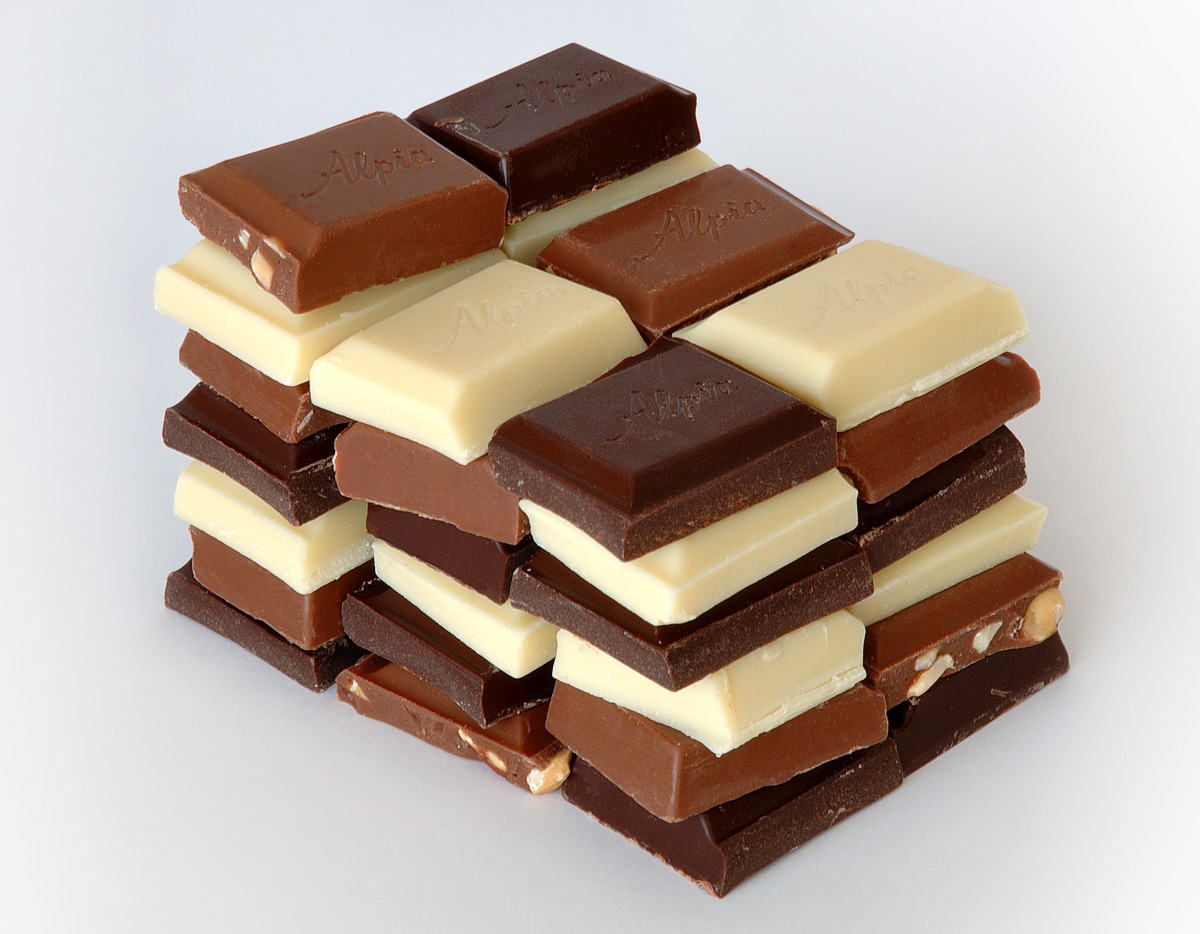
Featured image: Chocolate by André Karwath aka Aka, via Wikimedia Commons (CC BY-SA 2.5).
Reporting is based on the publicly available sources listed above and has been independently written by Food Tech Insider.