Mycofeast Acquires Daisy Lab to Fast-Track Precision-Fermented Lactoferrin Into Commercial Production
UK fermentation group Mycofeast has acquired Daisy Lab, the Auckland start-up that makes animal-free whey proteins by precision fermentation. The deal hands Mycofeast a lactoferrin programme that is close to commercial scale-up, plus a foothold in Asia-Pacific. Financial terms were not disclosed.
Daisy Lab’s founders will take on roles across the wider Mycofeast group, and the New Zealand science team stays in place to keep scaling bovine lactoferrin. Co-founder and chief executive Irina Miller told Green Queen that there are no job cuts, and that Mycofeast wanted both the technology and the team.
A buyer that already had the factory
Mycofeast was founded in 2023 and has grown through acquisitions and in-house development. Its capabilities run from strain engineering and enzyme design to fermentation scale-up and industrial production, and its existing portfolio includes carotenoids and other bio-based functional molecules. The group owns Evolutia Bio, a California R&D subsidiary that combines AI-led discovery, high-throughput screening and genetic engineering. It also runs a 16-million-litre fermentation plant in Europe.
For Daisy Lab, that infrastructure is what made the deal worth doing. Miller said the company was not running a sales process. It had been talking to Mycofeast as a possible partner and customer, and the talks moved towards an acquisition as raising capital got harder for food and biotech start-ups. Joining the group, she said, gives the team access to manufacturing and commercial capacity it would otherwise have spent years building.
Mycofeast chief executive Witek Hruzewicz said the sector does not lack strong science. The harder problem, in his view, is linking that science to process development, industrial manufacturing, capital and customers quickly enough, and at a cost that works. He described Daisy Lab’s dairy protein platform and scale-up record as highly complementary to the group.
Why lactoferrin is the target
Daisy Lab was founded in 2023 by Miller, Nikki Freed and Emily McIsaac. It engineers yeast to produce whey proteins including beta-lactoglobulin and lactoferrin. Lactoferrin, an iron-binding glycoprotein found in colostrum and breast milk, is its most advanced programme. The ingredient is used in infant formula, supplements and functional nutrition for its role in iron regulation and immune and gut health.
Supply is the commercial opening. Purified dairy lactoferrin is scarce, and Green Queen puts prices at roughly $600 to $2,000 per kilogram. Because it is used at low inclusion rates and commands a high price, it is one of the few precision-fermented proteins whose economics can hold up against an established dairy supply chain. Miller called it the molecule where the numbers make sense, while adding that she still sees long-term potential in bulk proteins such as beta-lactoglobulin.
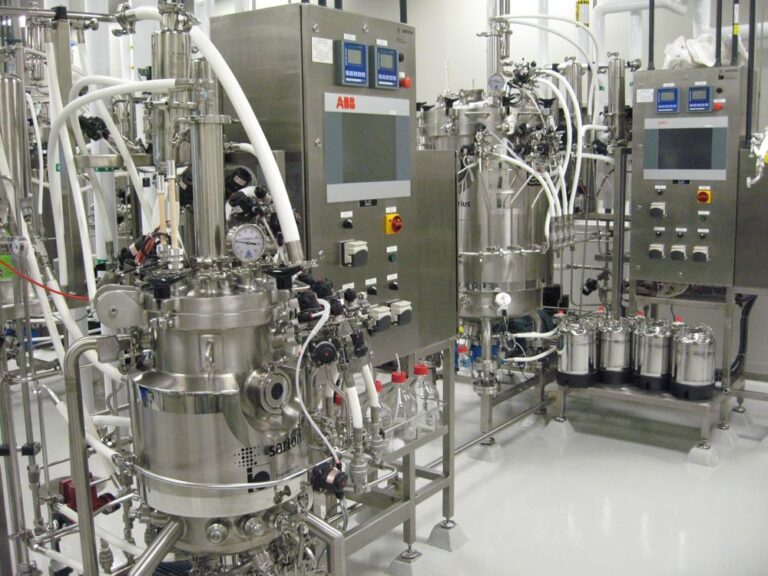
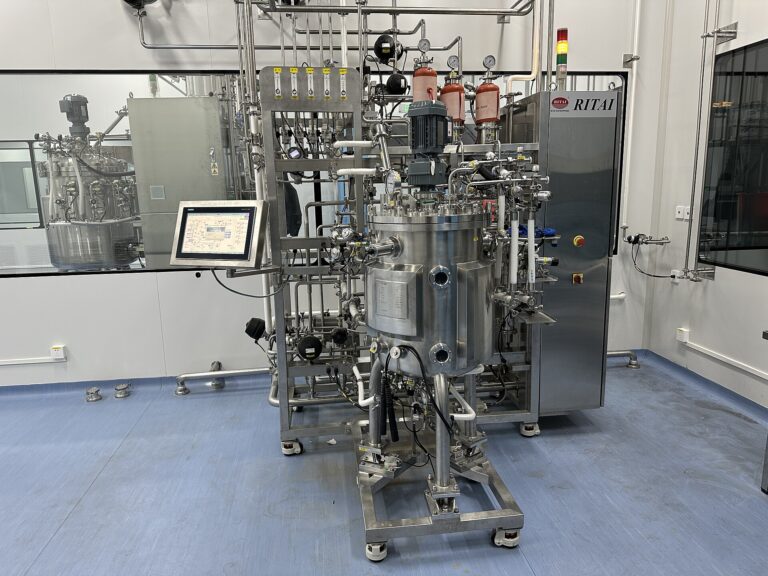
Daisy Lab installed a 500-litre fermenter on site in the first quarter of 2026 and has been scaling fermentation and downstream processing to that volume. It has also produced recombinant human lactoferrin at lab scale, but paused that earlier-stage programme while the larger fermenter was installed. Evolutia Bio’s strain-development team could pick it up again if the commercial case is strong enough.
Next 12 months: filings, trials and tech transfer
The company says the next year will cover further scale-up and optimisation, regulatory filings, customer trials and transfer of the process into Mycofeast’s manufacturing plant. Miller said being part of the group allows the regulatory filings to go ahead, and pointed to a couple of priority markets that have not yet been named.
Daisy Lab will be entering a crowded field. Helaina’s human lactoferrin is already in products in the U.S. market and the company is working with Nestlé on infant formula. All G has launched bovine lactoferrin in the U.S. TurtleTree’s ingredient is commercialised with Novonesis, and Vivici has self-affirmed GRAS status for its bovine lactoferrin.
Consolidation as a route to scale
The deal reflects a wider shake-out in alternative proteins. Green Queen counts more than 90 companies that have merged, been acquired, gone bankrupt or shut down since September 2024. Investment data points the same way. Precision and biomass fermentation took most of Europe’s private alt-protein funding in the first half of 2026, but capital-intensive scale-up is still the step where many start-ups stall.
For ingredient buyers and investors, the Mycofeast-Daisy Lab structure is worth watching: a small, specialist strain-and-process team placed inside a group that already owns the steel. If the lactoferrin process transfers cleanly to Mycofeast’s plant and clears regulators in its first target markets, more precision-fermentation start-ups may decide that being acquired by an operator with capacity is faster than building their own.
Sources & Credits
- Green Queen – Mycofeast snaps up NZ precision-fermented dairy protein startup Daisy Lab (14 Oct 2026)
- BusinessDesk – UK's Mycofeast acquires Auckland biotech Daisy Lab for undisclosed sum
- RNZ – Daisy Lab, company creating cow-less dairy products, given green light to expand
- Protein Production Technology International – Who should own the factory? Cultivated meat searches for its next business model
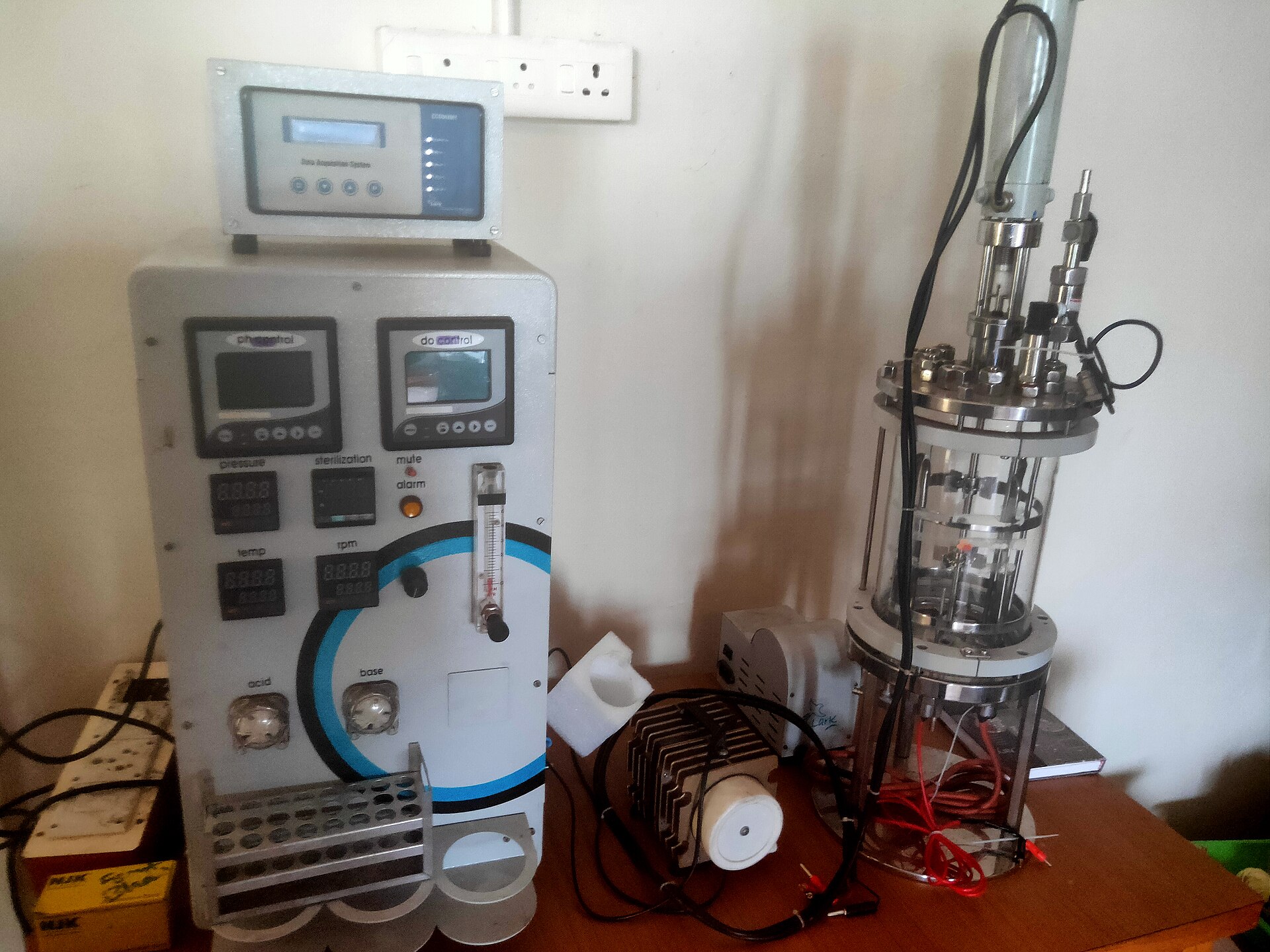
Featured image: Fermentor by Sarathkumaran Ranganathan, via Wikimedia Commons (CC BY-SA 4.0).
Reporting is based on the publicly available sources listed above and has been independently written by Food Tech Insider.