CJ CheilJedang and ADM Form Americas JV to Secure Fermentation-Derived Feed Amino Acids
CJ CheilJedang and Archer Daniels Midland have agreed to form a majority-CJ-owned joint venture that will manufacture and market fermentation-derived, feed-grade amino acids across the Americas. The deal pools CJ’s Fort Dodge, Iowa, and Piracicaba, Brazil, fermentation assets with ADM’s Decatur, Illinois, amino-acid plant, plus CJ’s U.S., Mexico and Brazil sales offices—creating an exclusive Americas manufacturing and sales franchise for lysine and related feed amino acids once regulators clear the closing.
The structure is deliberately industrial rather than financial. CJ Bio America will hold about 63% and ADM 37%. CJ contributes the Iowa and Brazil plants and related Americas sales entities as in-kind assets; ADM contributes Decatur’s feed-grade amino-acid lines. CJ keeps ownership of its intellectual property and licenses it to the JV for North and South America only. ADM’s other Decatur operations and its global fermentation businesses outside this scope stay separate.
Why lysine supply is a food-system story
Feed-grade amino acids sit upstream of meat, dairy and egg supply. Lysine and tryptophan produced by microbial fermentation of grain sugars let livestock rations hit protein targets with less crude protein overall, which matters for cost, nitrogen excretion and feed conversion. When U.S. domestic capacity is under pressure from low-priced imports, packers and integrators feel it through ration cost and supply reliability.
ADM’s Kris Lutt framed the JV as a response to that risk: challenging market conditions have put continued U.S. lysine production at risk, and recent U.S. Department of Commerce and International Trade Commission actions on Chinese lysine imports give the partners more confidence that domestic capacity can compete. CJ’s Lance Haeryong Choi emphasised the complementary fit—CJ’s fermentation know-how and technical marketing with ADM’s U.S. manufacturing footprint and feedstock access—aimed at cost competitiveness and stable North American output.
Fermentation, feedstock and Americas exclusivity
Amino-acid economics hinge on sugar feedstock, titres and logistics. ADM’s grain processing and distribution network is meant to harden the JV’s raw-material position; CJ’s BESTAMINO platform and existing Americas plants supply the process and commercial muscle. With exclusive rights to make and sell feed-grade amino acids in the Americas, the JV becomes a single regional counterparty for many livestock nutrition buyers who previously split volume between the two groups.
Closing still depends on customary conditions and merger approvals. No cash investment figure or launch date has been disclosed. For food and feed manufacturers tracking fermentation scale in the Americas, the near-term signal is consolidation of capacity under a CJ-majority vehicle rather than a greenfield build.
What buyers and investors should watch
Procurement teams should watch three post-close milestones: whether Decatur, Fort Dodge and Piracicaba run as a coordinated network on pricing and allocation; how the JV prices against residual imports after the U.S. trade remedies; and whether ADM’s broader precision-fermentation ambitions for food and industrial markets stay ring-fenced from the feed JV. Ingredient strategists already mapping land-independent proteins should treat this as a reminder that industrial fermentation at feed scale—not only food-grade whey or casein clones—is where much of today’s stainless-steel capacity and feedstock leverage still sit.
If approvals land cleanly, the Americas will have a clearer majority-controlled fermentation amino-acid platform with U.S. and Brazilian production nodes. That is a supply-chain story as much as a biotech one—and one that food-system planners ignore at their peril when modelling protein and feed cost curves into 2027.
Sources & Credits
- ADM investor release – CJ CheilJedang and ADM joint venture for feed-grade amino acids
- Feed Strategy – CJ CheilJedang and ADM to form new joint venture
- Chosun Biz – CJ CheilJedang partners with ADM to boost U.S. lysine output
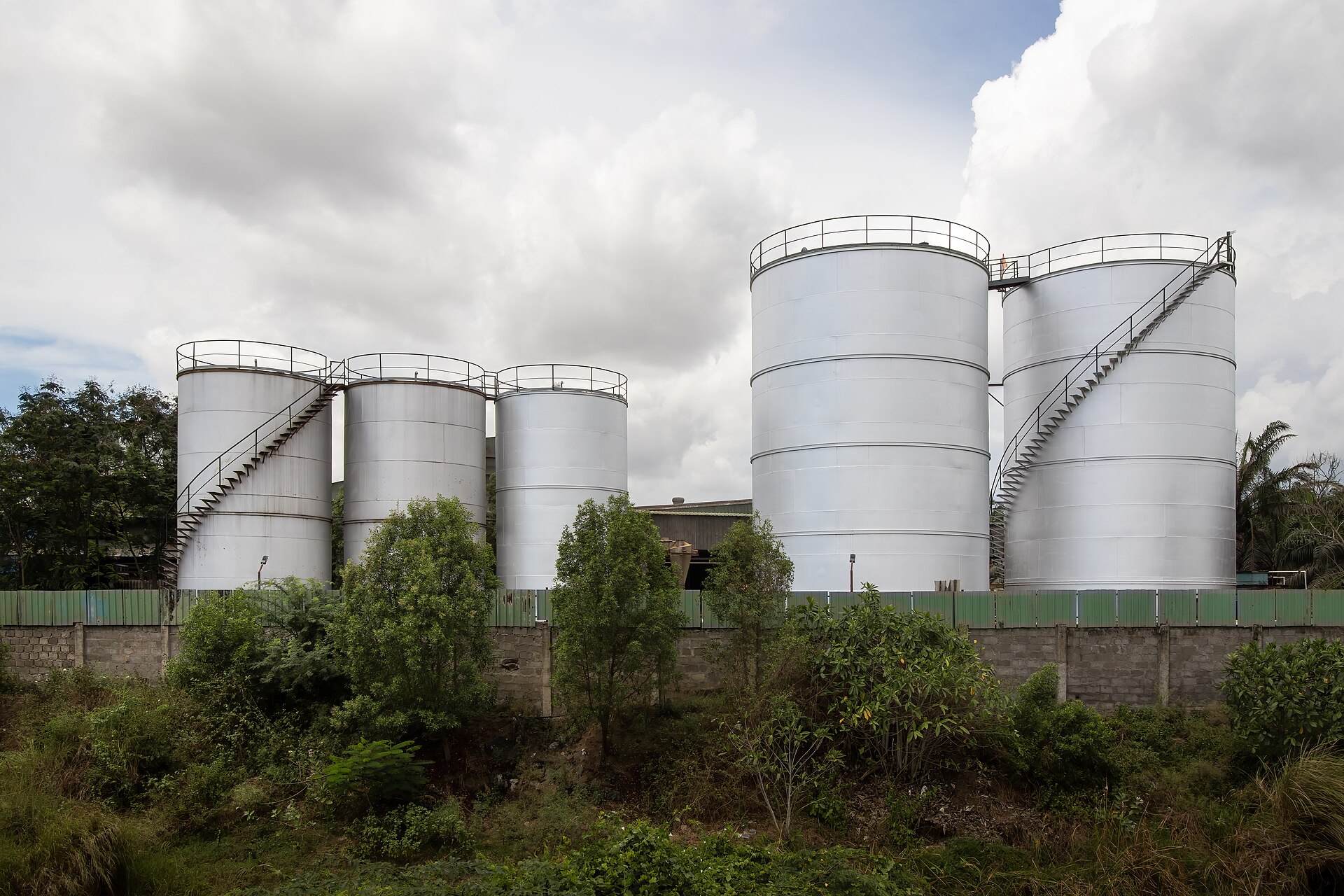
Featured image: Fermentation tanks in Naga Hanuman Agro Oils Private Limited by iMahesh, via Wikimedia Commons (CC BY-SA 4.0).
Reporting is based on the publicly available sources listed above and has been independently written by Food Tech Insider.