BCG: GLP-1 Users Are Redirecting, Not Simply Cutting, Their Food Spending
The rapid uptake of GLP-1 weight-management medications is reshaping how consumers allocate their food budgets, but not always in the way the industry first feared. New research from Boston Consulting Group (BCG) suggests that many users are redirecting spending toward healthier and premium categories rather than simply buying less.
BCG’s Center for Customer Insight surveyed more than 1,500 GLP-1 users across nine markets to examine their behaviour, motivations and purchasing intentions.
Where the money is moving
Active users told BCG they plan to increase monthly spending on fruit and vegetables by an average of 15% and on high-protein foods by 11%, with additional growth in high-fibre and wholegrain products. They also reported being twice as likely to choose functional products with specific health benefits as to choose premium alternatives.
The losers are familiar. Users expect to spend 14% less on confectionery and 12% less on prepared frozen side dishes, while spending on salty snacks, alcohol, soft drinks and chocolate is expected to fall by roughly 10%. Consumption of these products is becoming less frequent and portions smaller.
Away from home, users plan to order smaller portions, choose lighter dishes and drink less alcohol across cafés, casual dining, fast casual and fine dining.
Supplements and wellness gain
Spending is also shifting beyond the grocery aisle. Active users expect to spend around 20% more on protein and fibre supplements and collagen, with multivitamins, hydration products and hair and skin supplements also set to benefit.
Four distinct user groups
BCG segmented the market into four groups: lifestyle optimisers (41% of respondents), disease managers (27%), aesthetic transformers (19%) and “all-in” consumers (13%). The consultancy argues that product, pricing, packaging and marketing strategies should be tailored to each group’s motivations rather than treating GLP-1 users as a single audience.
The household multiplier
One of the more significant findings is the spillover effect. Seventy per cent of users reported changes in the behaviour of others in their household, and non-users living with a GLP-1 user adopted between 30% and 50% of that person’s changes, including eating fewer processed foods and more fruit and vegetables.
Some changes also appear to outlast treatment. Former users tend to maintain higher consumption of meat, fruit, vegetables and high-protein items such as yoghurt, while demand for salty snacks, frozen meals and confectionery is more likely to rebound.
How the findings compare with transaction data
BCG’s survey captures stated intentions. Transaction-based academic research published earlier this year in the Journal of Marketing Research offers a useful counterpoint: U.S. households with a GLP-1 user reduced grocery spending by 5.3% within six months of adoption, with savoury snacks down 10.1% and spending at fast-food chains, coffee shops and limited-service restaurants down 8%. Yoghurt was among the few categories to rise.
Taken together, the studies suggest that total volume declines are real, but that the mix shift toward produce, protein and functional products is where the commercial opportunity lies.
Strategic implications
BCG recommends that food and beverage companies:
- Accelerate development of protein- and fibre-rich products.
- Consider smaller pack sizes for premium and indulgent categories.
- Build strategies that address entire households and former users, not just current patients.
For snack and confectionery manufacturers, portion control and permissible indulgence formats may help defend volume. For fresh, dairy and protein suppliers, the trend represents a structural tailwind that is likely to strengthen as GLP-1 access widens.
Sources & Credits
- IFE – BCG finds GLP-1 use driving lasting changes in food and drink spending
- Journal of Marketing Research – The No-Hunger Games (GLP-1 and food demand)
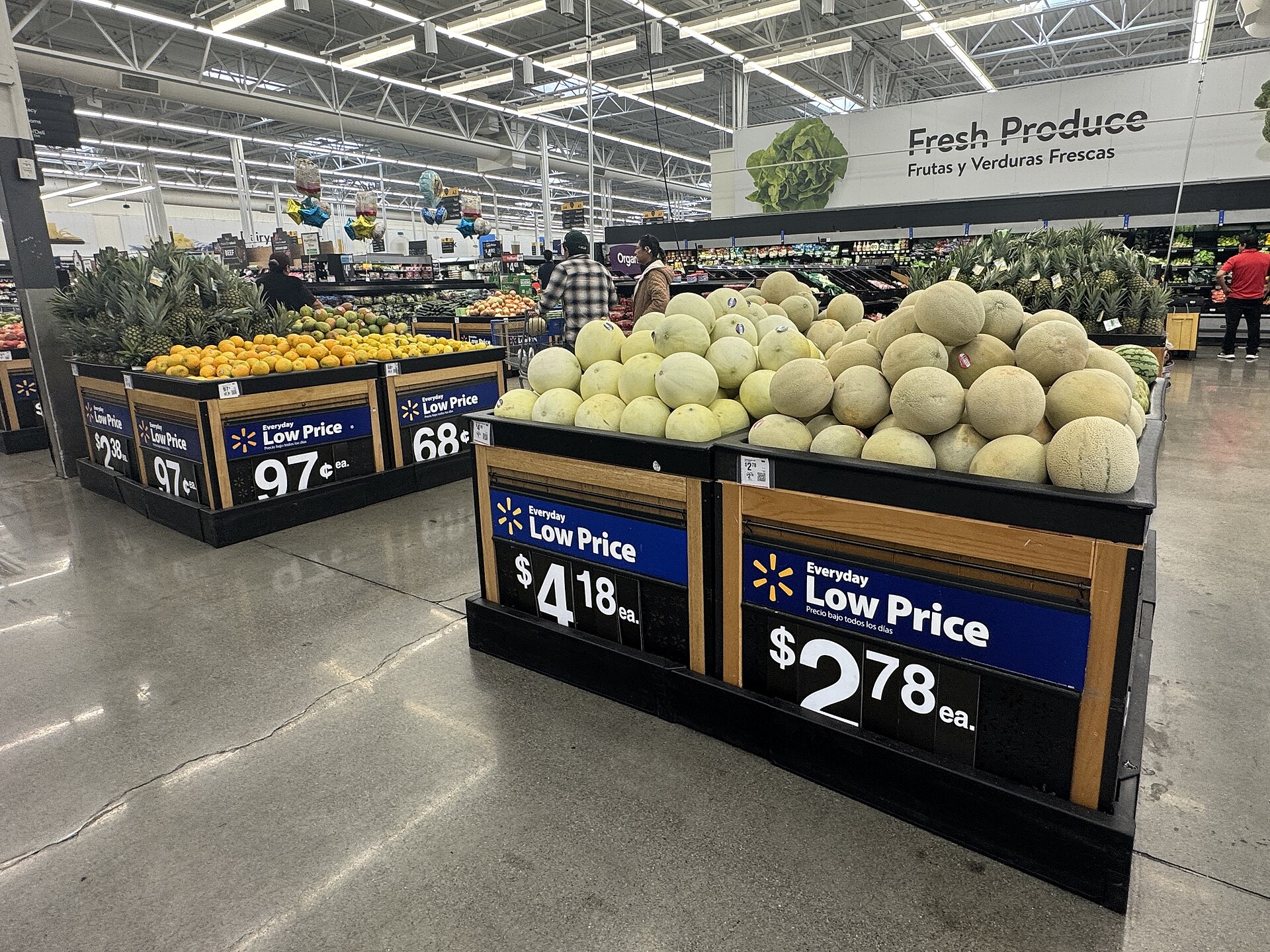
Featured image: Walmart – August 2025 – Sarah Stierch by Missvain, via Wikimedia Commons (CC0 1.0 public domain dedication).
Reporting is based on the publicly available sources listed above and has been independently written by Food Tech Insider.