Kinish Raises ¥490M Series A to Scale Casein-Expressing Rice, Molecular Farming and Plant-Factory Production
Kinish, a Tokyo-based startup building dairy alternatives from rice, has raised ¥490 million (roughly US$3.1 million) in the first close of its Series A round. The company is pairing a commercial plant-based ice cream business with longer-horizon research into plant molecular farming, where crops are engineered to produce animal proteins.
The round was issued as a third-party allotment of shares to INSPiRE Mutualistic Symbiosis Fund 1, the Shimadzu Future Innovation Fund (the corporate venture capital vehicle of analytical instruments maker Shimadzu Corporation), construction group Obayashi Corporation, and Canadian investor Love Veggies Holding. Kinish was founded in January 2023 and raised a ¥120 million seed round in February 2025.
Casein expressed in rice
The technical core of the business is a proprietary rice line that produces casein, one of the main proteins in cow’s milk. Kinish says it has successfully expressed casein in rice and will continue breeding to raise the casein content of those varieties. Casein is the protein that gives cheese its stretch and melt and gives ice cream much of its body, which makes it one of the hardest functional gaps for plant-based dairy to close.
Molecular farming is one of several routes the industry is testing to produce animal-identical dairy proteins. Precision fermentation uses microbes in steel tanks; molecular farming uses plants as the production host, which in principle can lower capital costs because the “bioreactor” is a crop. The trade-off is that expression levels, extraction and regulatory approval for genetically engineered crops remain open questions at commercial scale.
Dwarf rice in plant factories
Kinish is not planning to grow its casein rice in open paddies. The company is developing a dwarf rice plant around 20 cm tall that is suited to multi-tier indoor cultivation. In a demonstration trial, it reports harvesting 2,079.7 g of brown rice per square metre in three months. For comparison, it cites Japan’s average open-field yield of 539 g per square metre from a single crop each year.
The next step is scaling those trials to define a growing system for mass production, using trial data to refine cultivation “recipes”. Controlled-environment growing also offers containment, which matters for an engineered crop.
Why Shimadzu and Obayashi are in the round
The two corporate investors bring capabilities beyond capital. Shimadzu said it will support Kinish’s R&D and collaborate on analytical evaluation and quality-control methods for raw materials, products and cultivation environments, as well as applying measurement technologies inside plant factories. Its CVC fund is a ¥5 billion vehicle managed by Global Brain.
Obayashi, one of Japan’s largest general contractors, is building new business lines in food and agriculture. Tamaki Horii, head of its Business Innovation Promotion Office, pointed to Kinish’s rice-derived foods, multi-season cropping of dwarf rice and high-value protein production as promising contributions to a more sustainable food system. Love Veggies founder Johnson Lin described the Canadian firm as a strategic investor focused on North America.
Ice cream funds the early commercial stage
Kinish’s revenue today comes from The Rice Creamery, a plant-based ice cream made mainly from rice and stocked in about 500 stores in Japan. Sold in the US as The Rice Cream, it went on sale at retail stores in Washington, D.C. and at Meta’s D.C. office in October 2025. The company stresses that the current product is made from conventional, field-grown Japanese rice and does not contain its casein-expressing rice.
Kinish has opened a New York office and plans to expand local production and retail distribution in the US from there. The new capital is earmarked for ice cream sales in Japan and the US, plant-factory and molecular-farming R&D, and hiring, including a head of corporate administration and business roles in both markets.
What it means for the sector
The raise is small by alternative-protein standards, but the investor mix is notable: an instruments maker and a construction company are betting on the infrastructure side of plant-based protein production rather than just on a consumer brand. For dairy and ingredient buyers, Kinish is one to watch alongside other molecular-farming players working on casein, with the key milestones being casein yield per square metre, extraction economics and a regulatory pathway for food use.
Sources & Credits
- Kinish – Kinish, Developing Rice-Based Dairy Alternatives, Raises JPY 490 Million in Series A First Close (20 Oct 2026)
- Shimadzu Corporation – CVC Fund “Shimadzu Future Innovation Fund” Invested in Kinish (Oct 2026)
- vegconomist – Kinish Raises ¥490M to Scale Casein-Producing Rice and US Ice Cream Sales (23 Oct 2026)
- PR TIMES – Kinish Series A first close announcement (Japanese, 20 Oct 2026)
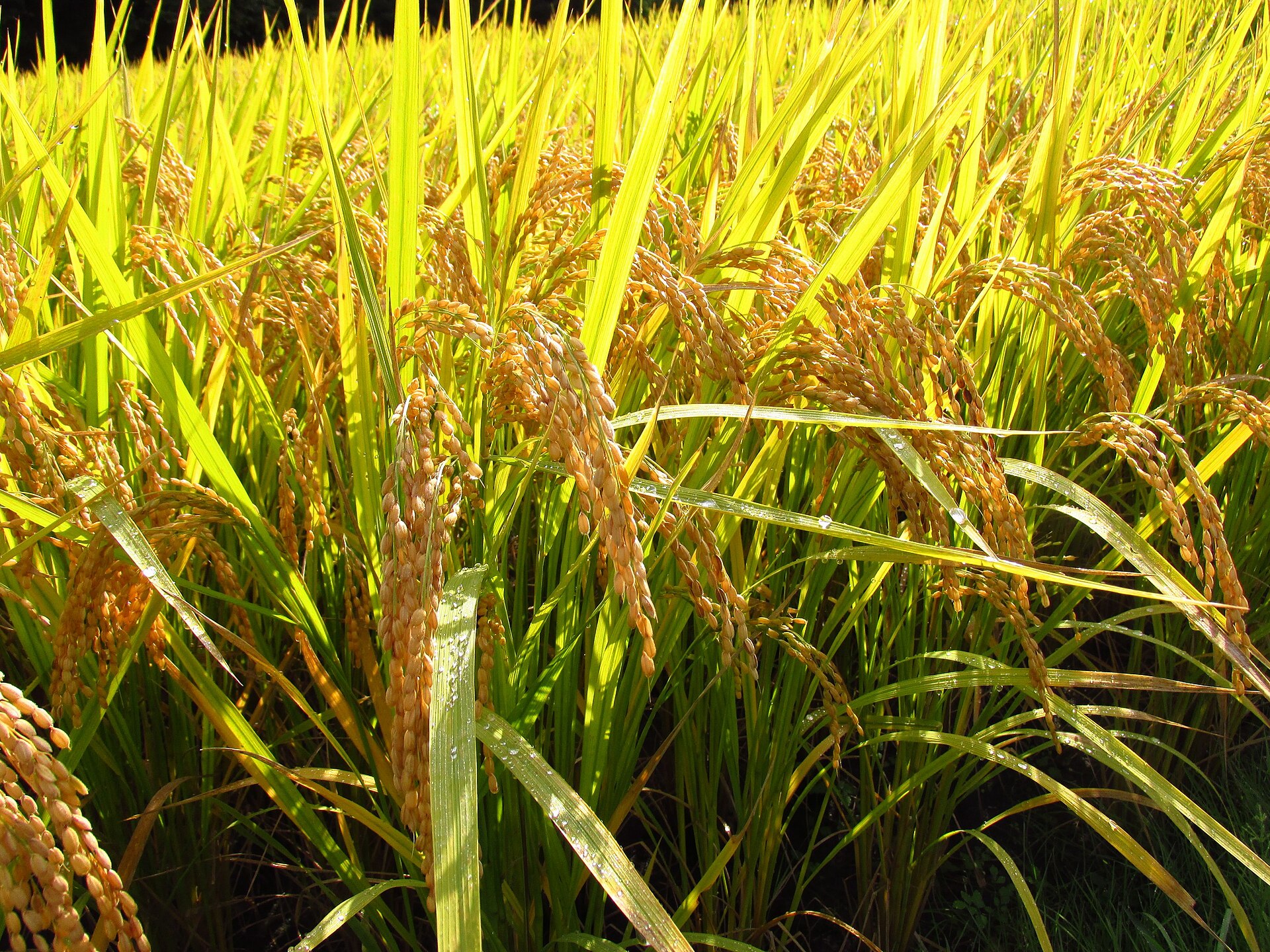
Featured image: Oryza sativa Ear rice Stugaru roman rice IMG 3969 by Aomorikuma, via Wikimedia Commons (CC BY-SA 4.0).
Reporting is based on the publicly available sources listed above and has been independently written by Food Tech Insider.