BloomX Raises $13M Series A to Scale Robotic Pollination-as-a-Service for Avocado and Blueberry Growers
Israeli agtech company BloomX has raised $13 million in a Series A round to scale robotic systems that pollinate fruit crops alongside bees. The round was led by Elah Fund, with participation from the Rothschild Fund, Sadot Innovation, Tene Fund, OurCrowd, BioBee, the Israel Innovation Authority, private investors and a group of Israeli agricultural cooperatives and kibbutzim. It takes BloomX’s total funding since its 2019 founding to $20 million.
The deal puts capital behind a part of fruit production that growers have struggled to control: getting pollen to the right flower at the right time, regardless of weather or bee activity.
Two machines, two crops
BloomX, based in Rishpon, sells two commercial systems that combine robotics with AI-based algorithms and are designed to supplement natural pollinators rather than replace them.
- Robee targets blueberries. It applies controlled vibrations to the plant to mimic the “buzz pollination” technique bumblebees use, shaking pollen loose so it can reach the stigma.
- Yahav 2400, commercially launched this year for avocado orchards, uses high-voltage electrodes to create an electric field that pulls pollen from male flowers onto a fabric designed to mimic a bee’s body, then transfers it to receptive female flowers.
The company says growers using its systems have recorded average yield increases of about 20%, with gains in fruit size and quality, and returns of up to 10.5 times the cost of the service. Ynet notes that these are company-reported results without independent assessment, and that the 10.5x figure is the highest reported return rather than an average. BloomX says one operator can cover up to 3.5 hectares (about nine acres) a day, and that the equipment works in conditions that keep bees grounded.
Named customers include ACP, Fruitist, Allesbeste and the Granot Group, across Peru, South Africa and Israel.
A service model, not an equipment sale
BloomX offers its technology as “Pollination-as-a-Service”, so growers pay for pollination without buying the machines. That lowers the upfront cost for farms and gives BloomX recurring revenue tied to each season.
The investor list reflects that customer-led approach. Dealroom reports that several kibbutzim linked to the Granot organisation, including Magal, Horashim and Eyal, invested separately and plan to be among the first to deploy Yahav 2400 in their own orchards. “What ultimately convinced us to lead this investment round was the fact that BloomX’s systems were developed in the field, alongside agricultural customers, in response to existing market demand, rather than as a solution looking for a problem,” said Calanit Valfer, managing partner at Elah Fund.
Where the money goes
The funds will support growth in BloomX’s existing markets of Peru, Mexico, South Africa and Israel, and preparation for entry into the U.S., where it will first target almond and blueberry growers. The company also plans to expand into more Latin American countries and add new crops. BloomX employs 19 people, 15 of them in Israel, and was founded by CEO Thai Sade, CTO Avi Keren and VP of Software Development Ido Senesh.
“Over the years, modern agriculture has learned to manage irrigation, fertilization and crop protection with remarkable precision. Pollination, a critical link in fruit production, has remained entirely at the mercy of nature,” Sade said.
Why it matters for the fresh produce supply chain
For food companies and retailers that source avocados, blueberries and almonds, pollination failures show up as volatile yields and uneven fruit quality, which then drive pricing and contract risk. Shifting flowering seasons and pressure on pollinator populations have made the input less predictable, and honeybees are not equally effective on every crop.
The U.S. launch will be the real test. U.S. almond growers already rely heavily on rented honeybee hives, and growers will want to see whether BloomX’s reported yield gains hold across different climates, cultivars and orchard layouts. If they do, a measurable, contractable pollination service could become another data point that fresh produce buyers ask suppliers about, alongside irrigation and crop protection.
Sources & Credits
- Ctech by Calcalist – Israeli agtech startup BloomX raises $13 million Series A to improve crop pollination (16 Oct 2026)
- Ynet Global – BloomX raises $13M for robots that pollinate avocados and blueberries alongside bees (16 Oct 2026)
- Pulse 2.0 – BloomX Raises $13 Million Series A Led By Elah Fund To Scale AI And Robotics Pollination Technology
- Dealroom News – BloomX raises $13M Series A to scale robotic crop pollination
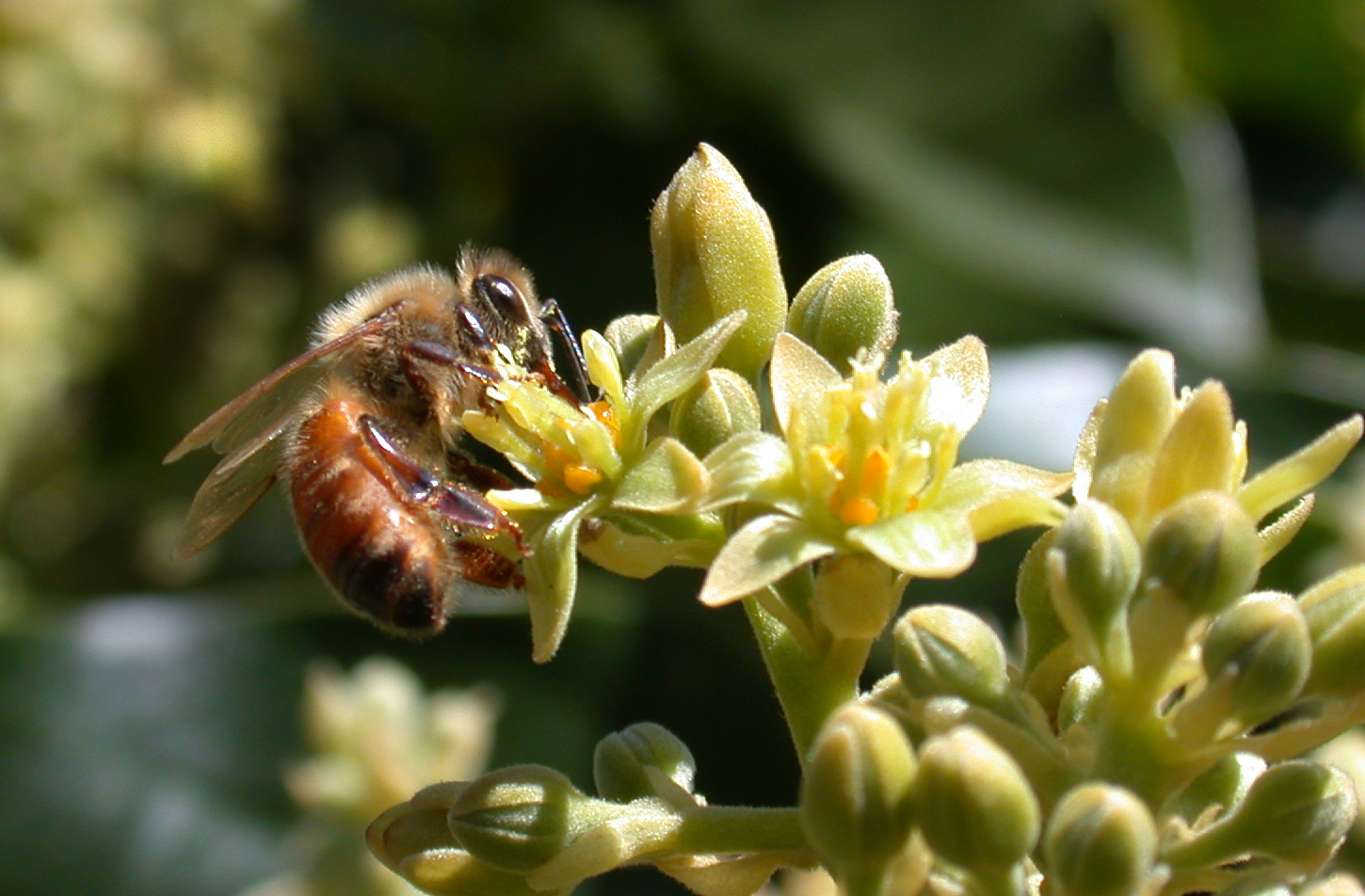
Featured image: Honeybee (Apis mellifera) pollinating Avocado cv. Zutano (Persea americana) flower by Andrew Mandemaker, via Wikimedia Commons (CC BY-SA 2.5).
Reporting is based on the publicly available sources listed above and has been independently written by Food Tech Insider.