Solar Foods Wins Positive EFSA Opinion for Solein Gas-Fermented Protein, Pushing EU Novel Food Approval to Mid-2027
Solar Foods has cleared the scientific stage of the European Union’s novel food process for Solein, its gas-fermented protein ingredient. The European Food Safety Authority (EFSA) has concluded that Solein is safe to consume under the company’s proposed conditions of use, moving the Finnish company’s application into the final authorisation step run by the European Commission and member states.
Solar Foods says it is the first company to receive a positive EFSA scientific opinion for a novel food ingredient produced through gas fermentation. The opinion was announced on 9 November, just over five years after the company submitted its application in October 2021.
What EFSA’s opinion does, and does not, unlock
A positive EFSA opinion is not a market authorisation. The European Commission will now draft an implementing act and put it to a vote by the committee of member state representatives. The final act will set out which food categories can contain Solein and at what levels. Once adopted, no separate national approvals are needed, and the ingredient can be sold across the EU under the approved conditions.
The timeline has moved. Solar Foods had previously guided for EU approval during 2026. It now expects the remaining process to take around seven to nine months from publication of the opinion, based on recent novel food timelines, which points to authorisation between June and August 2027. In its go-to-market presentation, the company said roughly 92% of positive EFSA opinions end in a Commission authorisation.
According to trade publication vegconomist, EFSA’s Panel on Nutrition, Novel Foods and Food Allergens adopted the opinion on 31 August 2026, with the dossier listed as powdered Xanthobacter sp. SoF1 biomass. The company answered further EFSA data requests in early 2025 using Solein made at its Factory 01 plant.
How Solein is made
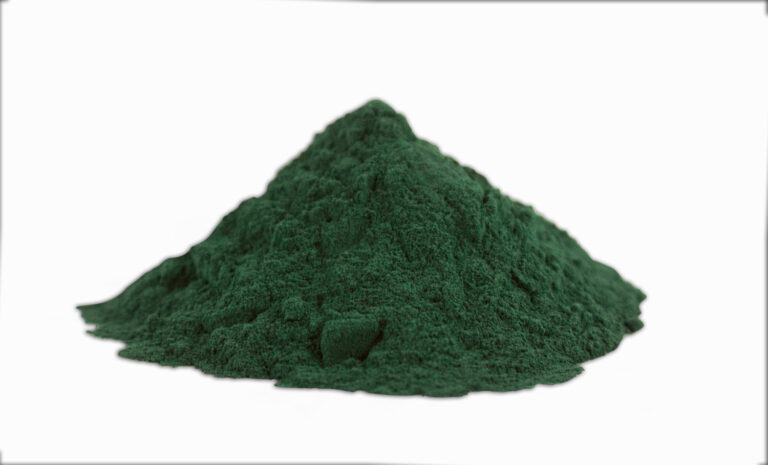
Solein is a protein-rich powder made from inactivated cells of a Xanthobacter bacterial strain. The microbe grows in a bioreactor using carbon dioxide as its carbon source and hydrogen as its energy source, so production does not depend on farmland, sugar feedstocks or weather. That process sets it apart from both precision fermentation, which uses engineered microbes to make specific proteins, and biomass fermentation on sugars, the route used for many mycoprotein ingredients.
The approval path matters for the wider fermentation sector. In July, the EU authorised The Protein Brewery’s Fermotein mycelium ingredient, and a second microbial protein moving through EFSA gives ingredient buyers more evidence that the novel food route, while slow, can be completed.
Offtake deals and Factory 02 financing
For Solar Foods, the commercial value of the opinion is in removing a key regulatory uncertainty from customer talks. The company expects it to speed up offtake negotiations towards binding agreements. Binding customer contracts and a completed financing package are among the conditions for a final investment decision on Factory 02, its planned first industrial-scale plant in Lappeenranta, Finland.
- Factory 01: designed for 160 tonnes a year, with a production target of 230 tonnes for 2026.
- Factory 02, phase one: targeted for the end of 2028 with a design capacity of 3,200 tonnes a year.
- Factory 02, phase two: would double capacity to 6,400 tonnes a year.
- Public funding: Business Finland awarded €77.8 million in grants and loans in June, conditional on the investment decision and the rest of the financing.
“This is a defining moment for Solar Foods, as the positive opinion enables us to advance our offtake negotiations, financing and preparations for the final investment decision for Factory 02,” said chief executive Rami Jokela.
Fazer lines up EU launch
Fazer, Solar Foods’ largest shareholder and a development partner since 2019, says it is ready to launch Solein products in Europe once the ingredient is authorised and is exploring several product categories. Fazer previously launched a limited-edition chocolate snack bar containing Solein in Singapore in 2024.
Solar Foods is initially targeting health and performance nutrition, such as protein powders, drinks and bars, where higher price points can absorb the cost of a new ingredient. Co-founder and chief scientific officer Juha-Pekka Pitkänen has said Solein can add creaminess to non-dairy ice cream and help replace egg yolk in fresh pasta, while its yellow colour and behaviour in highly acidic recipes can make some formulations harder.
The US track
In the US, Solar Foods began commercialising Solein after an independent conclusion in 2024 that it is generally recognised as safe (GRAS) for its intended uses. It has also filed a GRAS notice with the FDA and is seeking a “no questions” letter. Ambrosia Collective launched a ready-to-mix protein powder containing Solein in June.
For food manufacturers weighing alternative protein ingredients, the EFSA opinion turns Solein from a regulatory question into a supply question. The next test is whether Solar Foods can convert European interest into binding volumes large enough to finance industrial-scale gas fermentation.
Sources & Credits
- Solar Foods – Inside information: Solar Foods receives positive EFSA Scientific Opinion for Solein (9 Nov 2026)
- Solar Foods – Go-to-Market Update presentation (9 Nov 2026, PDF)
- Food Ingredients First – Solar Foods’ Solein gains positive EFSA opinion as Fazer prepares EU launch (10 Nov 2026)
- vegconomist – Solar Foods Wins EFSA Safety Backing for Solein as EU Authorization Moves Into 2027
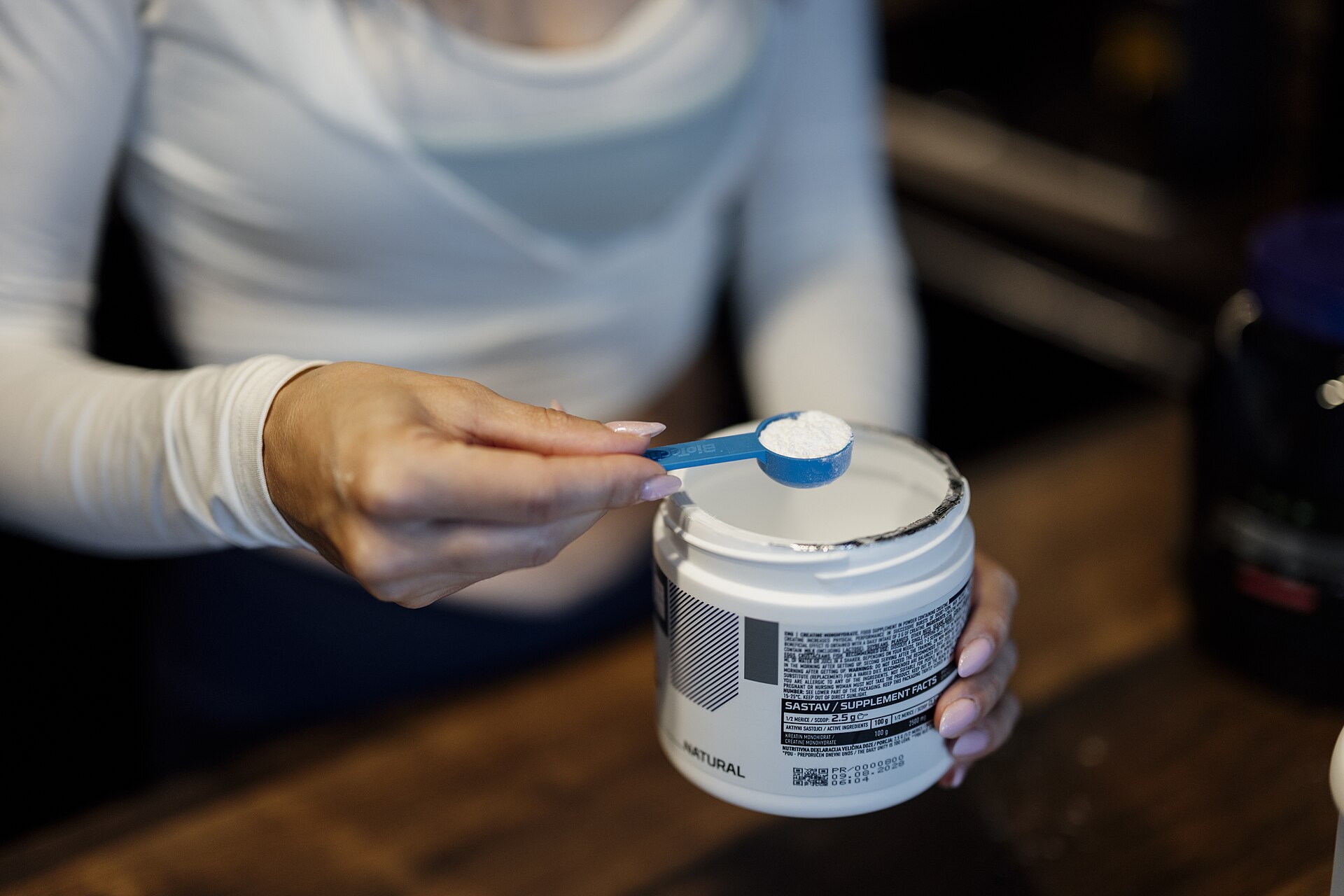
Featured image: User measures a scoop of protein powder from a container in a kitchen by Shixart1985, via Wikimedia Commons (CC BY 2.0).
Reporting is based on the publicly available sources listed above and has been independently written by Food Tech Insider.