Primient’s iPROOF to Open 10,000-Litre Precision Fermentation Scale-Up Facility in Decatur, Illinois, in 2027
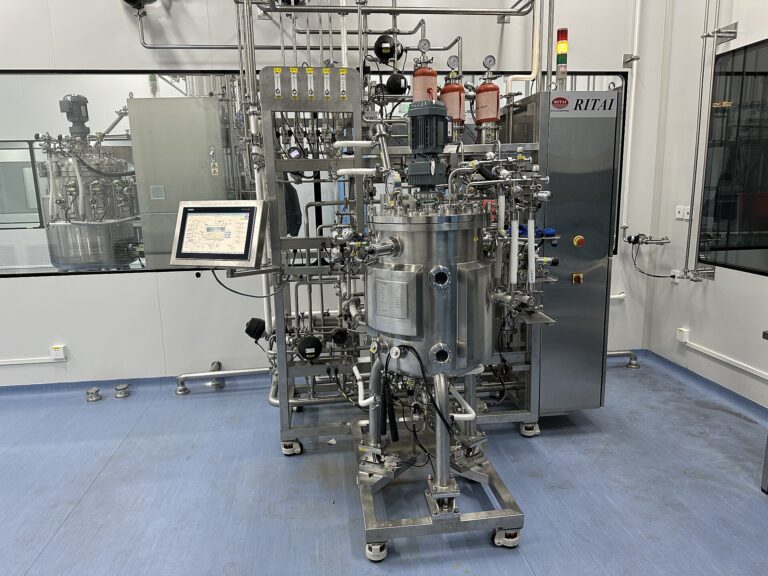
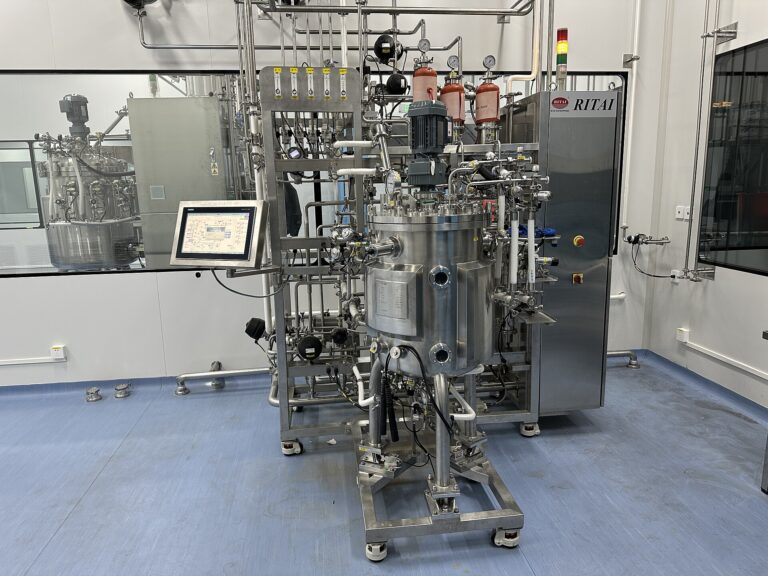
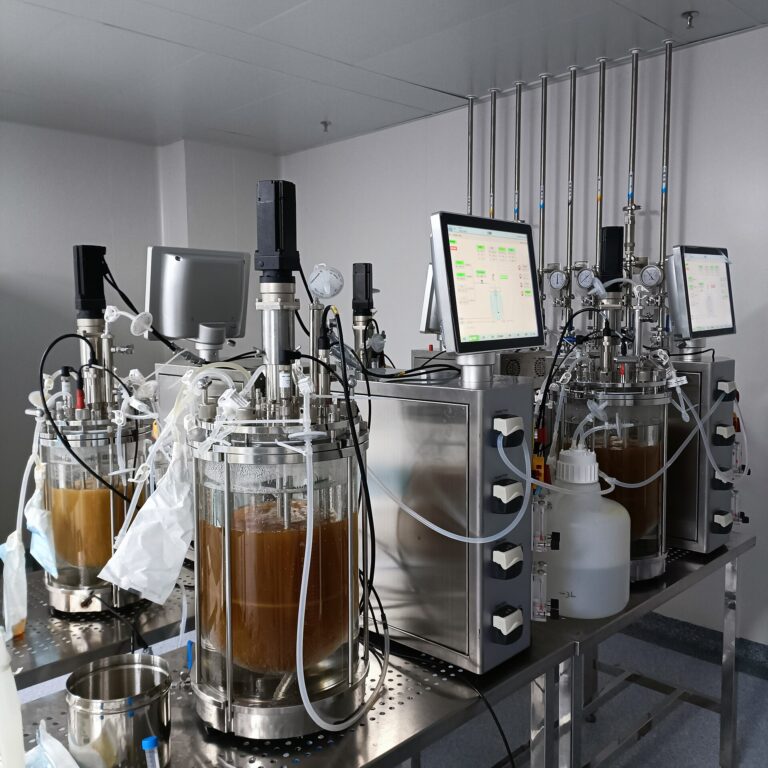
Primient, the US corn wet miller formed from Tate & Lyle’s former Primary Products business, is preparing to open a dedicated precision fermentation scale-up facility on its Decatur, Illinois campus in May 2027. The site, called iPROOF (Illinois Pilot Research and Operations Optimization Facility), will offer fermenters from 1,200 to 10,000 litres and swappable downstream processing equipment to startups and established companies that need to prove their process and cost model before committing to commercial manufacturing.
The plan, detailed by Primient biosolutions general manager Tim Fowler in an interview with AgFunderNews, targets one of the most persistent bottlenecks in food biotech: the shortage of mid-scale, food-grade capacity between the lab bench and a full production plant.
A “CDMO plus” built to stay neutral
iPROOF is wholly owned by Primient but will run as a separate legal entity with its own management and staff, operating around the clock. Fowler described it as a “CDMO plus” model: fee-for-service contract development and manufacturing, with the option of longer-term strategic partnerships. Customers will not be required to buy Primient feedstocks or become Primient customers to use the facility.
Key details shared so far:
- Scale: fermentation from 1,200 to 10,000 litres, with the company citing more than 20,000 litres of total fermentation capacity across the site.
- Downstream processing: modular unit operations including centrifugation, filtration and spray drying that can be wheeled in and out to test different recovery routes.
- Timeline: construction began in the first quarter of 2026 inside a retrofitted existing Primient building; bookings opened in the second half of 2026, with operations planned for spring 2027.
- Funding and ecosystem: construction is being supported by a US Economic Development Administration grant, and the facility is part of the Illinois Fermentation and Agriculture Biomanufacturing (iFAB) Tech Hub.
Why 10,000 litres matters
Fowler framed the industry’s “valley of death” as three overlapping problems: technical issues that only surface as bioreactors get bigger, the need to validate production costs at a meaningful scale, and investors’ growing reluctance to fund the infrastructure needed to answer those questions. At 10,000 litres, he argued, companies can generate more reliable process and cost data and make enough product for customer sampling.
The emphasis on downstream processing (DSP) is deliberate. Many precision fermentation startups spend most of their development time on strain engineering and titre, partly because lab-scale volumes are too small to properly test recovery and purification. That can leave teams discovering late that a high-yielding process is too expensive to purify. iPROOF’s plug-and-play DSP set-up is meant to let customers optimise upstream and downstream steps together rather than in sequence.
A path beyond the pilot
Primient is also signalling it could support the next stage. Its Decatur campus holds an idle fermentation building, known as Building 99, which Fowler said could be brought back into service with further investment. The company also has land, utilities and access to corn-derived sugars at its sites in Lafayette, Indiana and Loudon, Tennessee, where partners could build or co-locate production.
Primient already runs industrial fermentation for citric acid and bio-based propanediol. For iPROOF, it says it is especially interested in higher-value renewable chemicals, biopolymers, specialty chemicals, polyunsaturated fatty acids and flavour and fragrance terpenes, while Fowler also pointed to food ingredients such as dairy proteins, along with agricultural biologicals.
What it means for food biotech
For animal-free dairy, egg and functional protein developers, a neutral 10,000-litre facility next to a major sugar supply in the Corn Belt fills an obvious gap. The timing also matters. Purpose-built food fermentation capacity has proved hard to finance, as shown by Liberation Bioindustries’ unfinished 600,000-litre plant in Richmond, Indiana, which Agronomics said in September still needs about $25 million to complete. A rent-not-buy model at demonstration scale could let startups produce the techno-economic data investors and offtake partners want before anyone commits to a full plant.
The open questions are pricing, how quickly slots fill, and whether Primient’s preference for chemicals and specialty molecules leaves room for lower-margin food proteins. Those answers should become clearer as the first customer campaigns are booked ahead of the 2027 start-up.
Sources & Credits
- AgFunderNews – iPROOF facility aims to bridge biotech’s valley of death (26 Oct 2026)
- iPROOF – Demo-scale fermentation development facility (company website)
- iPROOF – Frequently Asked Questions
- iPROOF – Our Partners (US EDA grant, iFAB Tech Hub)
- iFAB Tech Hub – iPROOF project page
- AgFunderNews – ‘No acceptable offers’ for Liberation Bioindustries as firm seeks to plug $25m funding gap
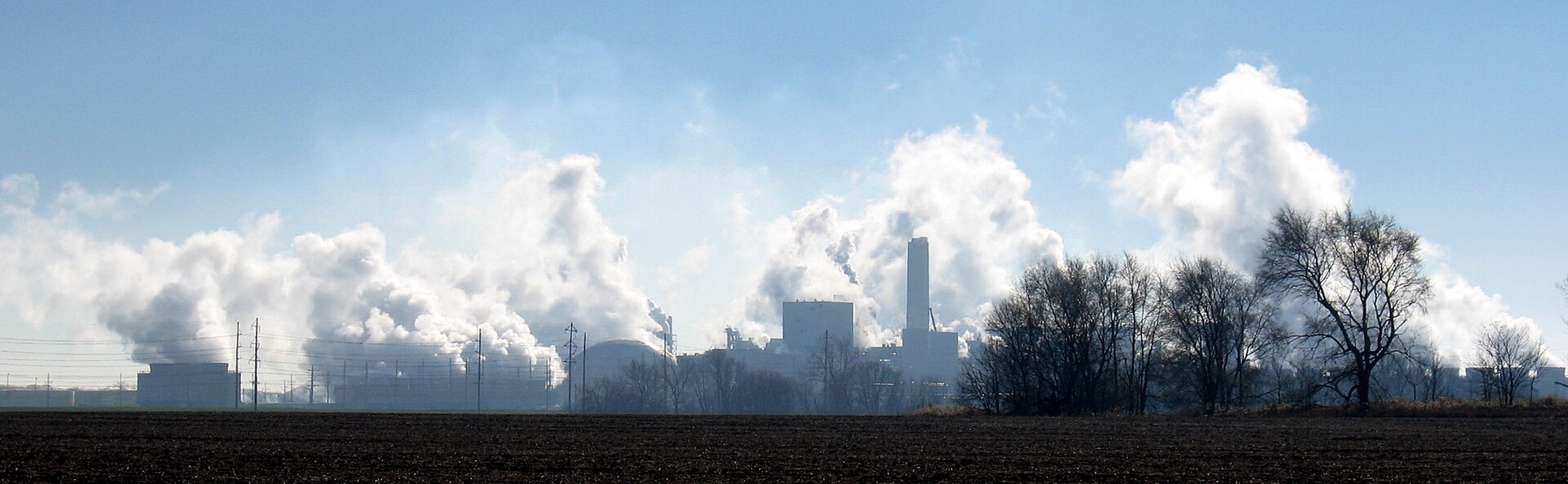
Featured image: Decatur IL industrial skyline by Dan, via Wikimedia Commons (CC BY 2.0).
Reporting is based on the publicly available sources listed above and has been independently written by Food Tech Insider.