MiAlgae Lands £2.5M From Scottish National Investment Bank for Grangemouth Algal Omega-3 Fermentation Plant
Edinburgh-based biotech MiAlgae has secured a £2.5 million (about $3.3 million) investment from the Scottish National Investment Bank to support its commercial-scale production facility in Grangemouth. The company turns by-products from whisky distilling into a microalgae-based omega-3 ingredient sold as an alternative to fish oil in aquaculture feed and pet nutrition.
MiAlgae expects headcount to rise from around 60 today to about 156 by the end of 2028 as output at the site ramps up.
How the process works
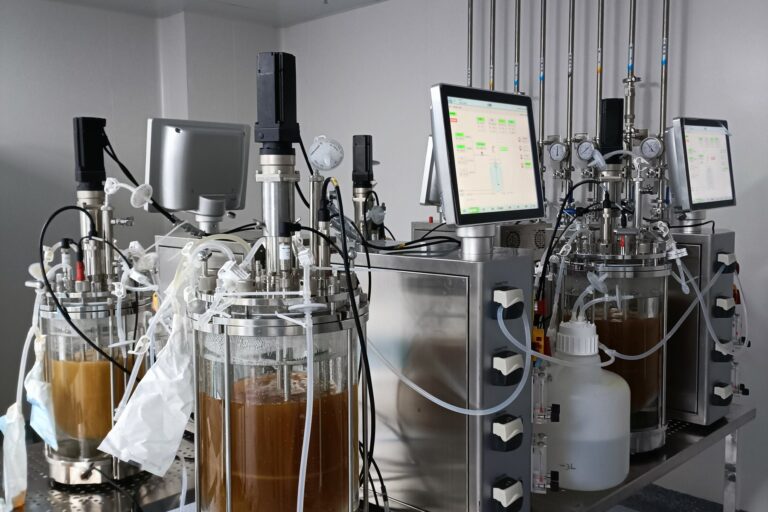
Founded in 2016 by Douglas Martin while he was studying synthetic biology and biotechnology at the University of Edinburgh, MiAlgae grows microalgae naturally rich in DHA, a long-chain omega-3 fatty acid. Instead of feeding the algae refined sugars, it uses nutrient-rich co-products from the Scotch whisky industry in purpose-designed fermentation vessels. The biomass is processed into omega-3 ingredients supplied in dry, wet or supplement formats.
The company says the fermentation step also cleans the distillery liquid, which is returned to the watercourse as clean water. At full capacity, the Grangemouth plant is designed to process more than 36 million litres of whisky by-products, and it is built to be modular so that further sites can be placed close to distilleries to cut feedstock transport.
Grangemouth build and public backing
MiAlgae broke ground at Grangemouth in December 2025, backed by up to £3 million in combined UK and Scottish government funding tied to plans to turn the area into a low-carbon industrial hub. The site sits on land formerly linked to the Petroineos refinery, which closed in April 2025, and the project forms part of the Scottish government’s Project Willow regeneration programme. Martin previously said the plant would lift the company’s pet nutrition omega-3 output more than tenfold.
The Scottish National Investment Bank adds a mission-led public investor to that support. “MiAlgae is one of Scotland’s most promising biotech companies,” said Jane Reoch, the bank’s executive director of innovation, adding that the deal meets all three of its missions on innovation, net zero and supporting local communities.
“By transforming whisky industry by-products into high-value omega-3 ingredients, we are reducing pressure on marine ecosystems, preventing waste and creating a truly circular solution,” said Martin.
A tight fish oil market creates the opening
Demand for DHA keeps growing in aquafeed and premium pet food, while marine fish oil supply is constrained by quota limits and weather. Green Queen, citing market data, reported that fish oil supply across major producing regions was running around 31% below year-earlier levels in early June, with El Niño conditions expected to keep pressure on prices into 2027. Those swings make a fermentation-based omega-3 with a predictable supply curve attractive to feed and pet food formulators.
MiAlgae is not alone. Danish biotech Algiecel recently opened an industrial-scale microalgae plant inside a Novonesis facility, and Canada’s Mara Renewables has raised $9.1 million to expand algal DHA output. Competition will increasingly turn on cost per tonne of DHA, feedstock security and the ability to supply at silo scale rather than in pilot-sized lots.
What to watch
For investors and buyers, the key questions are how quickly Grangemouth reaches nameplate capacity, how far whisky co-product feedstock can lower production costs against sugar-fed algal fermentation, and whether MiAlgae can move from pet nutrition into larger-volume salmon feed contracts. The company’s distillery-adjacent model could also become a template for other food and drink side streams with fermentable nutrients.
Sources & Credits
- vegconomist – MiAlgae secures £2.5M from Scotland's National Investment Bank (13 Oct 2026)
- Green Queen – Scottish Govt pumps $3.3M into MiAlgae's factory to recycle whisky waste into algal omega-3 (12 Oct 2026)
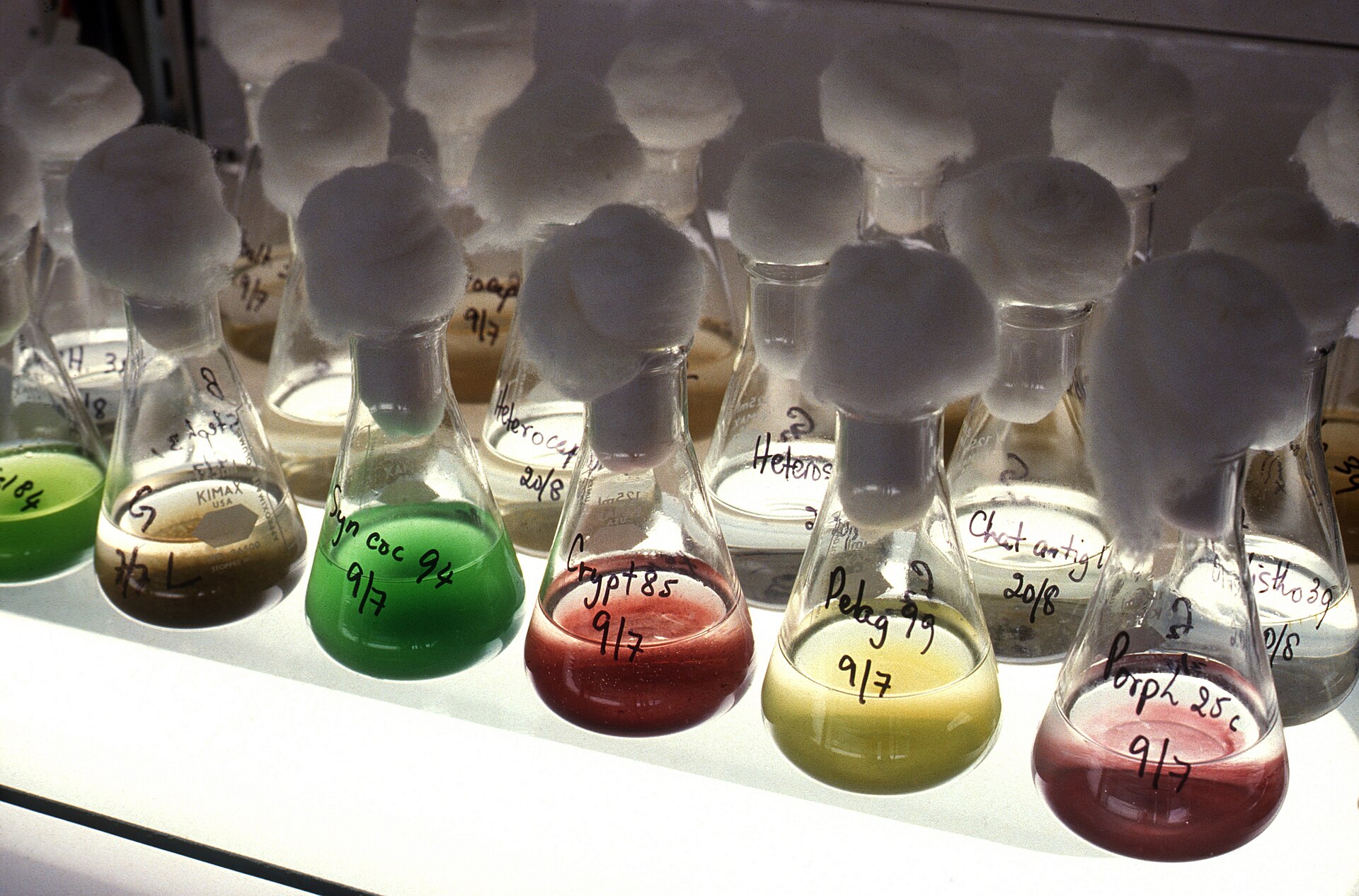
Featured image: CSIRO ScienceImage 2970 Collection of microalgae cultures by CSIRO, via Wikimedia Commons (CC BY 3.0).
Reporting is based on the publicly available sources listed above and has been independently written by Food Tech Insider.