Gourmey Wins FSANZ Approval for Cell-Cultured Duck, Setting Up Australia and New Zealand’s Second Cultivated Meat Ingredient
Food Standards Australia New Zealand (FSANZ) has approved an application from Paris-based cultivated meat company Gourmey to allow its cell-cultured duck biomass to be used as a food ingredient. The decision puts the company on course to become the second cultivated meat supplier cleared for Australia and New Zealand, after Sydney-based Vow and its cultured quail.
The FSANZ Board approved application A1341 at an extraordinary meeting on 6 October, and the regulator notified the Food Ministers’ Meeting of its decision on 13 October. Ministers now have 60 days to ask FSANZ to review the decision or confirm they will not. The change to the Australia New Zealand Food Standards Code takes effect only once it is gazetted.
What the approval covers
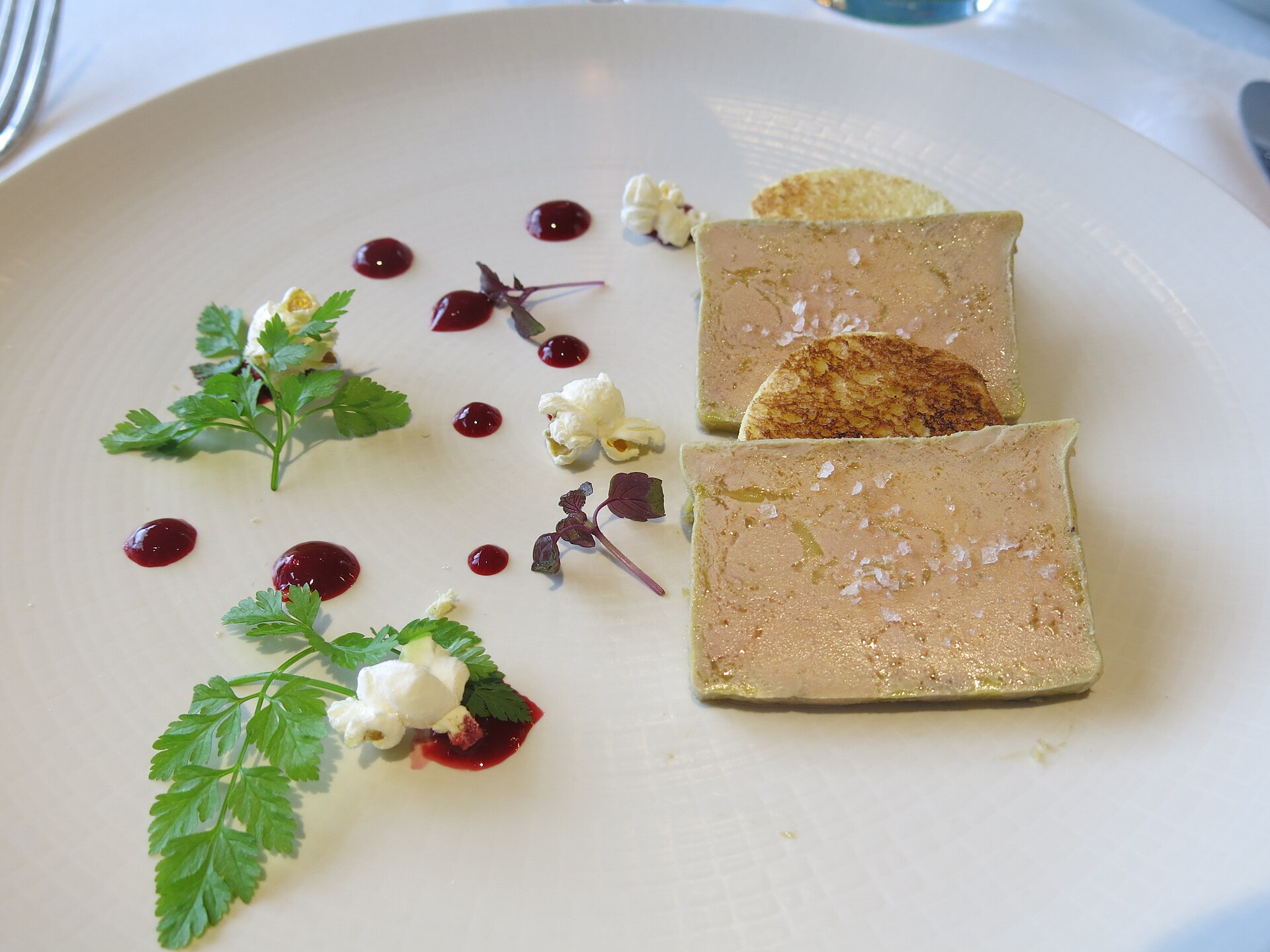
The application was filed in August 2025 by Suprême SAS, which trades as Gourmey. The biomass comes from embryonic stem cells sourced from Pekin duck, under a cell line designated 8516-Duck-DP. FSANZ’s approval report says the biomass is meant to be mixed with other ingredients in products such as “cell-cultured foie gras” and “cell-cultured duck pâté”.
FSANZ ran a full safety assessment of both the production cell line and the harvested biomass under its newer framework for cell-cultured foods. It found no public health or safety concerns with either. According to Food Ingredients First, the assessment found that the cells stayed stable during production and that manufacturing controls dealt adequately with microbiological risks. vegconomist reports that the approval report also confirms the cell line is not genetically modified.
Wholesale and foodservice only
The permission comes with tight conditions on how the ingredient reaches the market. Gourmey cannot sell the duck biomass directly to consumers. It can supply it wholesale to caterers and food manufacturers, and it can be used as an ingredient in foodservice dishes and in mixed foods sold at retail.
Labels must pair the ingredient name with “cell-cultured” or “cell-cultivated”, and vegconomist reports that retail packaging may not use the phrase “poultry meat”. The permission covers only biomass from the assessed cell line. Food Ingredients First notes that the assessment covered the biomass rather than finished recipes, so manufacturers stay responsible for making sure every part of their final product complies with food law.
For B2B buyers, that structure matters. The approval opens a route beyond chef-led restaurant launches, letting processors and caterers build the cultivated duck into their own pâtés, terrines and other mixed products.
Industry pushback during consultation
FSANZ took submissions from 24 June to 22 July 2026 and received 17. According to vegconomist, submitters included the Australian Meat Industry Council, Australian Pork Limited, Cattle Australia and the Australian duck producer Luv-a-Duck. Luv-a-Duck raised concerns about microbiological controls as production scales up and about labelling, arguing that duck, unlike quail, is an established agricultural commodity with a domestic industry. Two submitters opposed the approval outright. FSANZ approved the draft variation without changes.
Scale-up is still ahead. vegconomist reports that the dossier was based on a 200-litre production process, while the company plans to move to 2,500 litres.
Part of a wider regulatory push
Gourmey is the culinary brand of Parima, formed in 2025 when Gourmey acquired French cultivated meat company Vital Meat. Singapore approved Parima’s cultivated chicken in October 2025 and the duck in April 2026. According to the FSANZ report, as cited by vegconomist, the company has also filed applications for the duck in Switzerland, the UK and the EU, and is in pre-market consultation with the US Food and Drug Administration.
If ministers let the variation stand, Gourmey would also be the first company from outside Australia and New Zealand to hold a cell-cultured food permission there. “Our focus now is commercialization to deliver high-quality and safe products at meaningful volumes,” CEO Nicolas Morin-Forest said after the Singapore duck approval earlier this year.
No launch date for Australia or New Zealand has been announced. The next steps to watch are the end of the 60-day ministerial window, gazettal of the Code amendment, and whether Gourmey names local foodservice or manufacturing partners. That last point will show whether premium dining or B2B ingredient supply leads its entry into the market.
Sources & Credits
- FSANZ – A1341 Cell-cultured duck (Anas platyrhynchos domesticus) biomass
- FSANZ – Approval report, Application A1341 (13 Oct 2026)
- FSANZ – The Food Ministers’ Meeting (review process)
- vegconomist – Gourmey’s Cultivated Duck Wins FSANZ Board Approval as a Wholesale Ingredient for Australia and New Zealand (20 Oct 2026)
- Food Ingredients First – Gourmey cultivated duck clears key Australia-New Zealand regulatory hurdle (15 Oct 2026)
Featured image: Restaurant Argi-Eder – Foie gras de canard en terrine by Tangopaso, via Wikimedia Commons (Public domain).
Reporting is based on the publicly available sources listed above and has been independently written by Food Tech Insider.