Regen Compact: Nestlé, Danone, Mars, McDonald’s and 10 Others Sign Regenerative Agriculture Pledge to Build Food Supply Chain Resilience
Fourteen food manufacturers, restaurant chains and retailers have signed the Regen Compact, a new C-suite-level commitment to accelerate farmer-led regenerative agriculture and strengthen food supply chain resilience. Nestlé, Danone, Mars, McDonald’s and McCain Foods are among the founding signatories, alongside major European grocers.
The Compact was announced on 17 November 2026 by the Circular Bioeconomy Alliance (CBA), a UK charity established by King Charles III when he was the Prince of Wales. It grew out of a CBA roundtable on regenerative agri-food systems held at Windsor Castle in May 2026.
Who signed
The founding signatories are Agrolimen, Aldi Süd, Danone, Gail’s, Lidl GB, Marks & Spencer, Mars, McCain Foods, McDonald’s, Nestlé, Silver Fern Farms, Waitrose, Wildfarmed and Yeo Valley. The list combines multinational CPG and quick-service buyers with UK retailers, a New Zealand meat processor and regenerative-focused brands. The CBA says further companies will be able to sign from 2027.
Signatures come from senior executives. Nestlé signed through its CFO Anna Manz, Mars through Mars Snacking global chief sustainability officer Anna Turrell, and McDonald’s through global chief impact officer Jon Banner.
What signatories commit to
Signatories commit to accelerate adoption of regenerative agriculture in line with five principles, embed more regenerative practice into their own operations through company-level priority actions, and track progress in a way that is transparent and farmer-led. The five principles are:
- Farmer-led and nature-based: farmers are treated as central to regenerating nature.
- Resilient: building the capacity of landscapes, farmers and businesses to withstand climate and other shocks and secure food supply.
- Holistic: a systems approach drawing on ecological knowledge and biological processes.
- Context-specific: practices adapted to local conditions.
- Transparent and affordable: a measurable, affordable process grounded in data.
The Compact does not set a single numerical target. Instead, each signatory builds on its own strategy. The CBA lists possible levers such as giving farmers long-term commercial certainty or investing directly in farmer support. CBA chief executive Marc Palahí told FoodNavigator that progress would be measured and reported annually, and that new financial models would be made available to fund transitions.
The secretariat is led by the CBA, with the European Alliance for Regenerative Agriculture (EARA) as adviser. EARA will independently benchmark corporate standards and actions against the Compact’s principles and pledges, though the CBA notes that EARA does not endorse any company’s programmes.
Climate shocks are the business case
The CBA frames the initiative around supply risk after a volatile 2026. It cites wildfires that had burned more than 500,000 hectares across Europe by early August, about €2 billion in heat and drought losses for the grain sector, and a UK cereal and oilseed harvest heading for its smallest on record. It also points to urea prices rising 80% between February and April, which pushed fertiliser affordability to its weakest level since 2022.
“Regenerative agriculture is critical to building more resilient supply chains for the future,” Nestlé’s Manz said in the CBA announcement. “Farmers cannot make this shift alone.” Waitrose managing director Tom Denyard linked the commitment directly to this year’s weak UK harvest.
The credibility test
The Compact arrives as investors scrutinise corporate regenerative claims more closely. Just Food notes that an earlier FAIRR investor network study of 78 listed agri-food companies found a “widening credibility gap” between regenerative agriculture pledges and delivery, and that no company had set a pesticide-reduction target within its regenerative programme.
For food manufacturers and ingredient buyers, the practical questions are how signatories will define regenerative outcomes, how Scope 3 and sourcing data will be reported each year, and whether farmers receive the multi-year contracts and premiums needed to change practices. The first annual progress reports, and EARA’s benchmarking, will show whether the Regen Compact turns into measurable change in sourcing.
Sources & Credits
- Circular Bioeconomy Alliance – Global companies sign landmark Compact to strengthen resilience of farms and food supply chains (17 Nov 2026)
- Circular Bioeconomy Alliance – Regen Compact
- FoodNavigator – Nestlé, Danone, Mars and others sign landmark agreement (17 Nov 2026)
- Just Food – Food, drinks majors sign regenerative agriculture initiative (17 Nov 2026)
- The Grocer – Food businesses combine for ‘landmark’ regen ag commitment
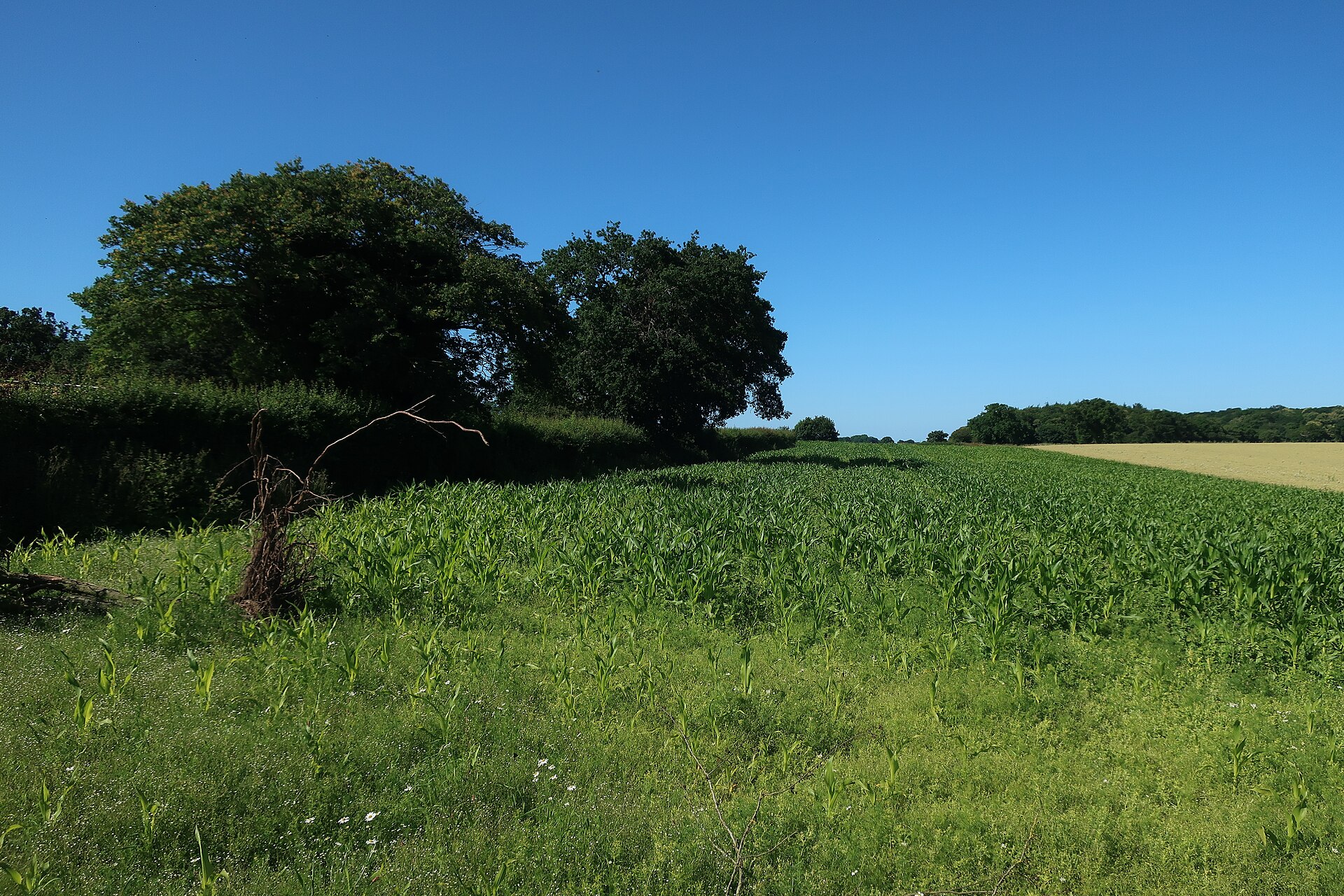
Featured image: Cover crop by wheat field by Hugh Venables, via Wikimedia Commons (CC BY-SA 2.0).
Reporting is based on the publicly available sources listed above and has been independently written by Food Tech Insider.