Meala Texturized Pea Protein Replaces Methylcellulose Binder in Blended Beef Burgers, Matching All-Beef Flavour in Sensory Panel
Israeli ingredient developer Meala FoodTech has released sensory panel results suggesting that a single texturized plant protein can do the work of methylcellulose in blended beef burgers. In the panel, the Meala blend showed no statistically significant difference from an all-beef patty on beef flavour. The data targets one of the main formulation problems for processors cutting meat content: getting the extender to bind without adding E461 to the label.
The blended meat formulation problem
Blended meat, which replaces part of the animal protein with plant protein or fibre, is gaining ground in European retail. According to The National Provisioner, Lidl reported in 2025 that one in four burgers it sold in Belgium since June was a 60% beef, 40% plant protein blend. Albert Heijn launched 15 blended meat and dairy products the same year. The Food System Innovations report Balanced Proteins found that European retailers have priced blended beef up to 33% below conventional beef.
The difficulty is on the production line. Plant-based extenders don’t bind well on their own, so many recipes depend on methylcellulose (E461) or other hydrocolloids. That adds another additive at a time when manufacturers are trying to shorten ingredient lists.
How Meala’s texturizing technology works
Meala has developed a proprietary process that texturizes plant proteins into multifunctional, clean-label ingredients. These deliver binding, gelling and water retention, so formulators can rely less on conventional binders and hydrocolloids. The technology is already commercially available in Europe through a partnership with dsm-firmenich, sold under the Vertis PB Pea brand.
“Blended meat only works if consumers cannot detect the reduction, without compromising on taste and texture,” said Hadar Ekhoiz Razmovich, CEO and co-founder of Meala FoodTech. “In the New Sense panel, a single texturized protein did the binding and kept the burger close to beef in flavor and in chew.”
Sensory panel design
The trial was run by sensory research firm New Sense. Ten trained super-tasters evaluated plain 120-gram patties with no bun, sauce or seasoning. They compared an all-beef control with two blended formulations, each made with the same beef and a plant-based extender, reported as 58% extender and 42% beef. One blend used Meala’s texturized protein as the binder and the other used methylcellulose.
Results: where it matched beef and where it didn’t
According to Meala’s results, its burger showed no statistically significant difference from all-beef on:
- beef flavour
- overall flavour intensity
- bitterness
- sourness
Compared with the methylcellulose blend, the Meala patty had significantly lower non-meat off-notes and a chew closer to beef. It was also the most-liked of the blended formulations tested.
The gaps were also reported. The Meala blend differed significantly from all-beef in darker browning and internal colour, lower juiciness and a less fatty texture (all p < 0.05). For processors, these are the attributes that may still need fat, colour or moisture management elsewhere in the recipe.
Industry context
“More and more retailers and food service providers in Europe are enriching their meat offerings with plant-based proteins and fibers,” said Nir Goldstein, CEO of The Good Food Institute Israel. “Plant proteins that bind, taste and perform like meat on a production line are much needed.”
The results come from a company-commissioned panel with a small trained group, not a consumer study. Even so, they address a practical question for R&D and procurement teams: whether a blended product can carry a cleaner label without losing the bite and flavour that keep shoppers buying. With retailers using blends to hit price points and protein-diversification targets, binder replacement is likely to become a key area of competition among ingredient suppliers.
Sources & Credits
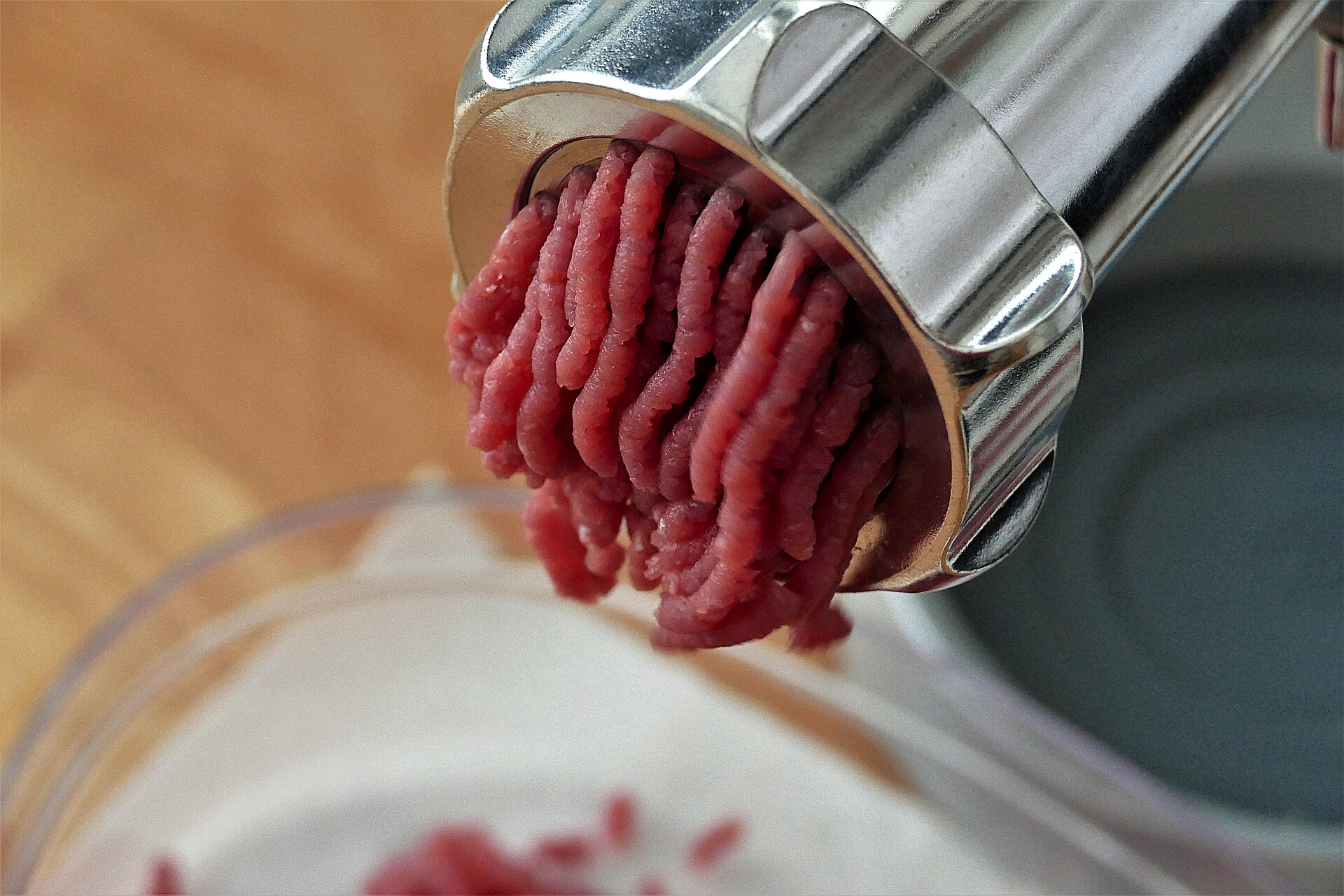
Featured image: Minced meat by Erwin, via Wikimedia Commons (CC0 1.0).
Reporting is based on the publicly available sources listed above and has been independently written by Food Tech Insider.