Finless Foods Signs Gyeongbuk Technopark MoU to Scale Cultivated Bluefin Tuna in South Korea’s Uiseong Cultivated Meat Sandbox
US cultivated seafood company Finless Foods has signed a three-year memorandum of understanding (MoU) with South Korea’s Gyeongbuk Technopark to develop, demonstrate and scale up production of its cell-cultivated Pacific bluefin tuna in Uiseong County. The deal gives the California startup a route into the Uiseong Bio Food Valley and the Food Tech Research Support Center being built there, inside the province’s regulation-free special zone for cell-cultivated food.
The agreement was signed on 26 November in Seoul during the 2026 International Food Sustainatech Symposium. Kim Eun-mi, head of Gyeongbuk Technopark’s Bio-Industry Development Office, signed for the technopark. Finless Foods board member Okjae Koo of Hanwha Solutions signed as authorised signatory on behalf of CEO Brandon Chen.
What the Finless Foods–Gyeongbuk Technopark MoU covers
According to Gyeongbuk Technopark and Finless Foods, the partners will cooperate in five broad areas:
- Using the Uiseong Bio Food Valley and the Food Tech Research Support Center for production, exports and infrastructure activation.
- Developing and demonstrating cultivated food production processes, and scaling up mass-production technology.
- Building networks and joint research with overseas cultivated protein companies.
- Identifying and taking part in national and local government support programmes, including the regulation-free special zone.
- Jointly exploring export channels to the United States, subject to future US regulatory clearance.
Gyeongbuk Technopark will provide technical support and access to regional facilities. The MoU is non-binding. Specific projects, facility-use terms, cost sharing and any commercial or intellectual property agreements will be negotiated separately, and no production volumes or manufacturing timelines have been set.
“The value of this agreement is that it gives Finless Foods a path to scale up production in Uiseong while helping Gyeongbuk develop an export-oriented business model around its local infrastructure,” Koo said. Chen said the company would use Uiseong Bio Food Valley as its strategic hub in Asia.
Uiseong’s cultivated meat cluster takes shape
Uiseong Bio Food Valley covers about 225,844 square metres. Gyeongsangbuk-do province has said the industrial complex was completed on 6 November, and construction of the research centre started the same day. Green Queen reports that the Food Tech Research Support Center is backed by ₩14.5 billion from national and local governments, spans just over 2,660 square metres and is due to open in 2027. It is designed to help cultivated meat and future food companies develop processes, scale up production and prepare regulatory applications.
The province runs a regulation-free special zone for cell-cultivated food in Uiseong through December 2028, allowing companies to test processes from cell sourcing through to finished products. Finless Foods is the latest company to commit to the cluster. Earlier this month, Korean startup SeaWith announced plans for a 400-tonne cultivated meat plant in Uiseong to scale its cultivated Hanwoo beef.
Why cultivated bluefin tuna is a commercial target
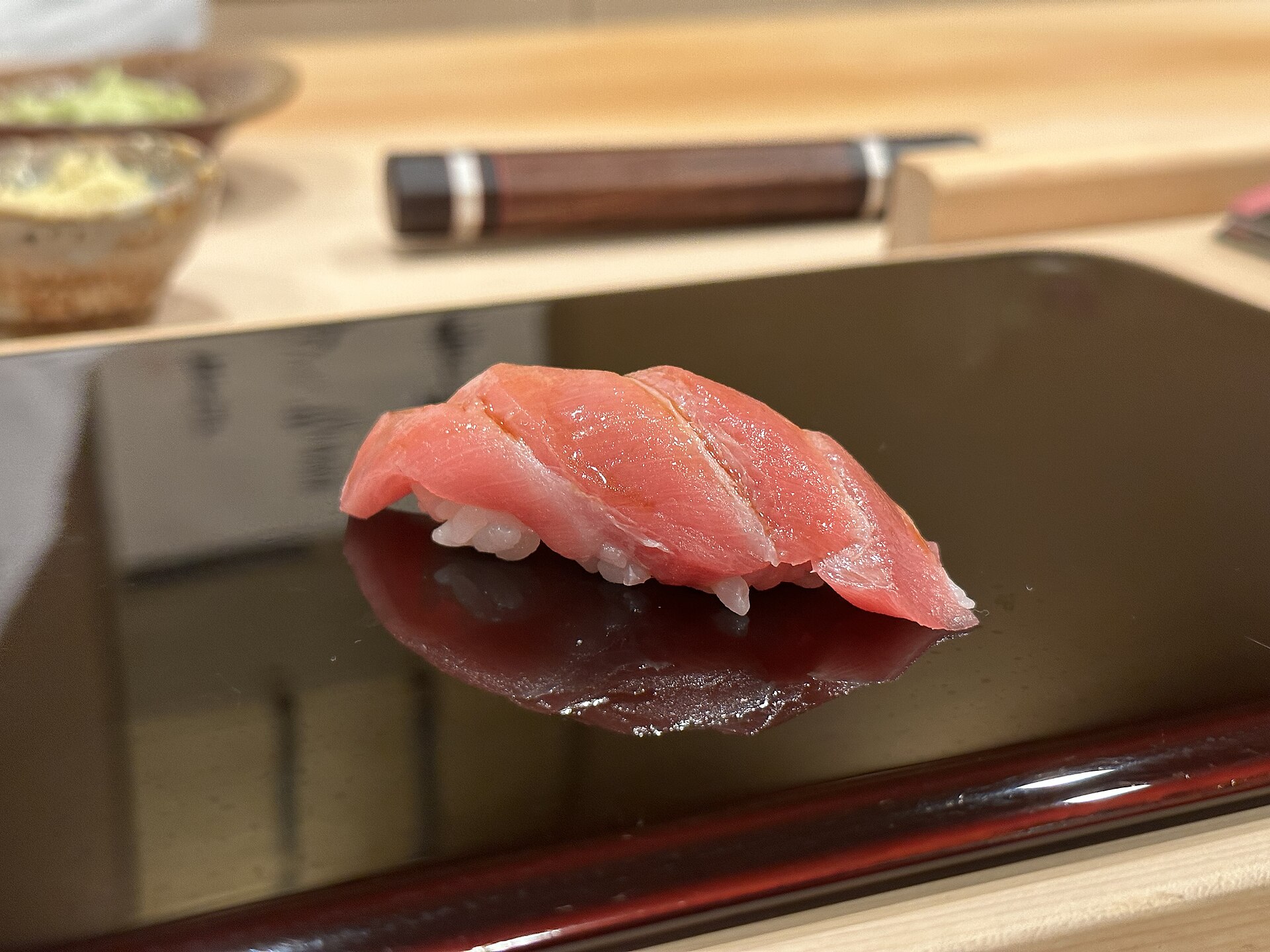
Finless Foods, founded in 2017, is focused on Pacific bluefin tuna for high-grade sushi and sashimi, including toro, the fatty belly cut. Bluefin is hard to farm, supply is limited by fishing quotas and the fish sells at a premium. The company argues that this high price narrows the cost gap that has held back cultivated beef and chicken. Finless says Pacific bluefin accounts for less than 1% of the global tuna catch.
The company has already submitted a regulatory dossier to the US Food and Drug Administration and, according to Green Queen, expects a decision in 2027. It is working with Dutch company Cultivate at Scale on its commercial production process and has partnerships with investors Hanwha Solutions in South Korea and Dainichi Corporation in Japan. Finless is also exploring marine collagen peptides and other cell-derived ingredients as coproducts for functional food and beauty applications.
“This bilateral collaboration provides Finless Foods with a strategic operational base in Asia to explore production scale-up, leverage state-of-the-art facilities at Uiseong Bio Food Valley, and explore bilateral supply and export pathways,” Chen said.
What it means for cultivated seafood scale-up
The deal reflects a wider shift in cultivated meat towards asset-light scale-up. Rather than funding their own first-of-a-kind plants, startups are increasingly using public infrastructure, contract manufacturers and regulatory sandboxes. For Finless Foods, Uiseong offers subsidised facilities and a regulatory test bed while its US application is under review. For Gyeongbuk, international tenants help justify public investment in the hub and support its export ambitions.
Competition in cultivated toro is growing. Fellow Californian company BlueNalu raised about $11 million in January to scale its bluefin toro while it awaits regulatory approval, and Israel’s Wanda Fish has developed a hybrid toro that combines cultivated tuna cells with a plant-based matrix. The next milestone for Finless Foods will be a binding agreement setting out what work it will carry out in Uiseong, at what scale and on what terms.
Sources & Credits
- Green Queen – Finless Foods Signs Deal to Scale Up Cultivated Bluefin Tuna in South Korea (26 Nov 2026)
- Protein Production Technology International – Finless Foods signs South Korean deal to explore cultivated tuna scale-up (26 Nov 2026)
- The Asia Business Daily – Gyeongbuk TP Signs MOU with U.S. Cultivated Seafood Company Finless Foods (27 Nov 2026)
Featured image: Otoro fatty tuna nigiri by Zheng Zhou, via Wikimedia Commons (CC BY-SA 4.0).
Reporting is based on the publicly available sources listed above and has been independently written by Food Tech Insider.