PFerrinX Plans Brazil Precision-Fermented Lactoferrin Plant for Q4 2027, Targeting 100 Tons a Year of Iron-Tuned Animal-Free Lactoferrin
PFerrinX, the precision fermentation joint venture between De Novo Foodlabs and Earth First Food Ventures (EFFV), plans to begin producing animal-free bovine lactoferrin in Brazil in the fourth quarter of 2027. At full capacity, the Brazilian operation is designed to make 100 metric tons a year. It is one of the clearest commercial-scale targets yet set by a company in the fast-growing precision-fermented lactoferrin market.
The Brazilian business will trade as Ferrina Biotech. EFFV CEO Brian Ruszczyk told AgFunderNews that the team is currently developing and validating the industrial process, setting up commercial partnerships and preparing the clinical and regulatory workstreams. The company is not naming its contract development and manufacturing organisation (CDMO) or the size of its fermentation vessels.
Why Brazil
Ruszczyk said Brazil was chosen for its supply of sugar, its experience with industrial fermentation, its existing infrastructure and its renewable energy supply. Sugar is the main carbon source for many yeast-based precision fermentation processes, so feedstock cost and availability weigh heavily on cost of goods.
The company also sees room to work with pharmaceutical companies, hospitals, ingredient manufacturers and product developers in the country. Ruszczyk said off-takers include “Brazilian conglomerates and industrial partners.” He pointed to EFFV’s roughly 25 years of banking experience in Brazil as an advantage in building those relationships. The target markets are medical nutrition, pet nutrition, beauty and personal care, nutraceuticals and functional beverages.
“Lactoferrin is one of the few proteins from precision fermentation that is ready to scale with attractive margins,” Ruszczyk said, adding that the cost of goods, the infrastructure to scale and the demand are all in place.
Tuning iron saturation
Lactoferrin is an iron-binding protein found in milk. It is valued for its antimicrobial, immune and iron-delivery functions, but it has been scarce and expensive because it occurs in milk only in small amounts. AgFunderNews reports that prices can top US$650 per kilo, and Ruszczyk puts the cost of producing lactoferrin from milk at about US$300 a kilo. He expects PFerrinX to undercut that “in the not-too-distant future.”
The company is trying to stand out on control of iron saturation. It markets its ingredient as NanoFerrin and says its process can deliver three profiles:
- Apo-lactoferrin (0% iron saturation) for immunity, gut health, cosmetics and oral care, where iron-free lactoferrin binds free iron and limits microbial growth;
- Native lactoferrin (about 10% iron saturation), matching the typical profile of bovine milk lactoferrin, for infant and general nutrition;
- Holo-lactoferrin (100% iron saturation), positioned as a gentler iron-delivery option than conventional iron supplements.
De Novo Foodlabs CEO Jean Louwrens said recombinantly expressed lactoferrins typically carry high iron levels, often 75% or more. He said that is a default outcome, not a design choice, and is undesirable for many uses, particularly infant formula. The company says it has data showing better bio-similarity and functionality than other precision-fermented lactoferrin on the market. These are company claims and have not been independently verified.
Scale-up roadmap
Brazil is part of a larger capacity plan. In February, PFerrinX told AgFunderNews it had secured manufacturing sites in the EU and Asia, due online in 2027 and 2029, and was validating its process with a partner at up to 1,500-litre scale for regulatory submissions. Ruszczyk now says the EU site has yet to be finalised. The company aims to reach 300 metric tons a year over the next decade from facilities in Brazil and Asia. It is preparing regulatory submissions in several jurisdictions.
A crowded lactoferrin field
PFerrinX faces plenty of competition. Vivici, All G, TurtleTree, Helaina, Eclipse Ingredients, PFx Biotech, Noumi and Daisy Lab (acquired by Mycofeast in October) are all developing or selling animal-free lactoferrin. Molecular farming company Alpine Bio is making it in engineered soybeans. Earlier this month, All G self-affirmed GRAS status for its precision-fermented human lactoferrin in the US.
For ingredient buyers, the Brazil plan matters for two reasons. It adds a named volume target and start date to a market where supply has been limited by dairy output. It also tests whether low-cost sugar and renewable power can bring precision-fermented proteins below the cost of the conventional product. Whether PFerrinX hits its Q4 2027 start will depend on process validation, regulatory approvals and off-take contracts, none of which have been disclosed in detail.
Sources & Credits
- AgFunderNews – Exclusive: PFerrinX plans Brazil lactoferrin production launch in Q4, 2027, targets 100 tons at scale (24 Nov 2026)
- AgFunderNews – PFerrinX tunes iron saturation for precision-fermented lactoferrin, aims to be ‘largest and lowest cost producer’ (10 Feb 2026)
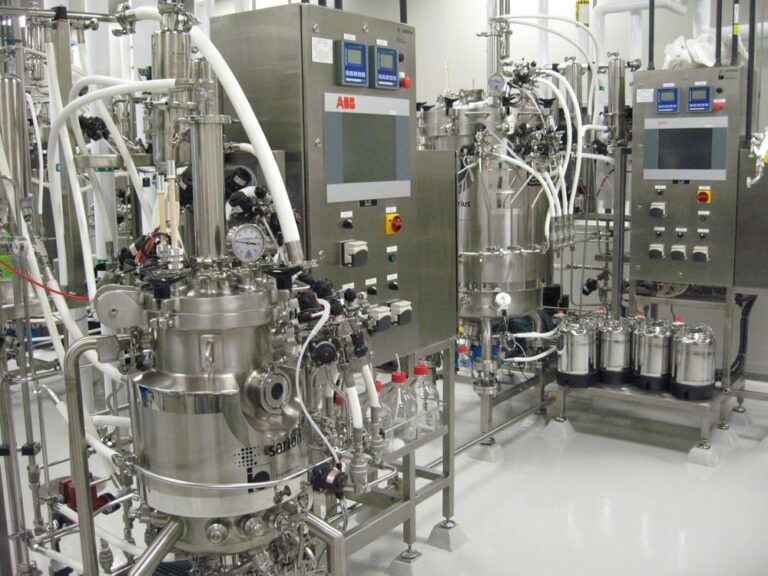
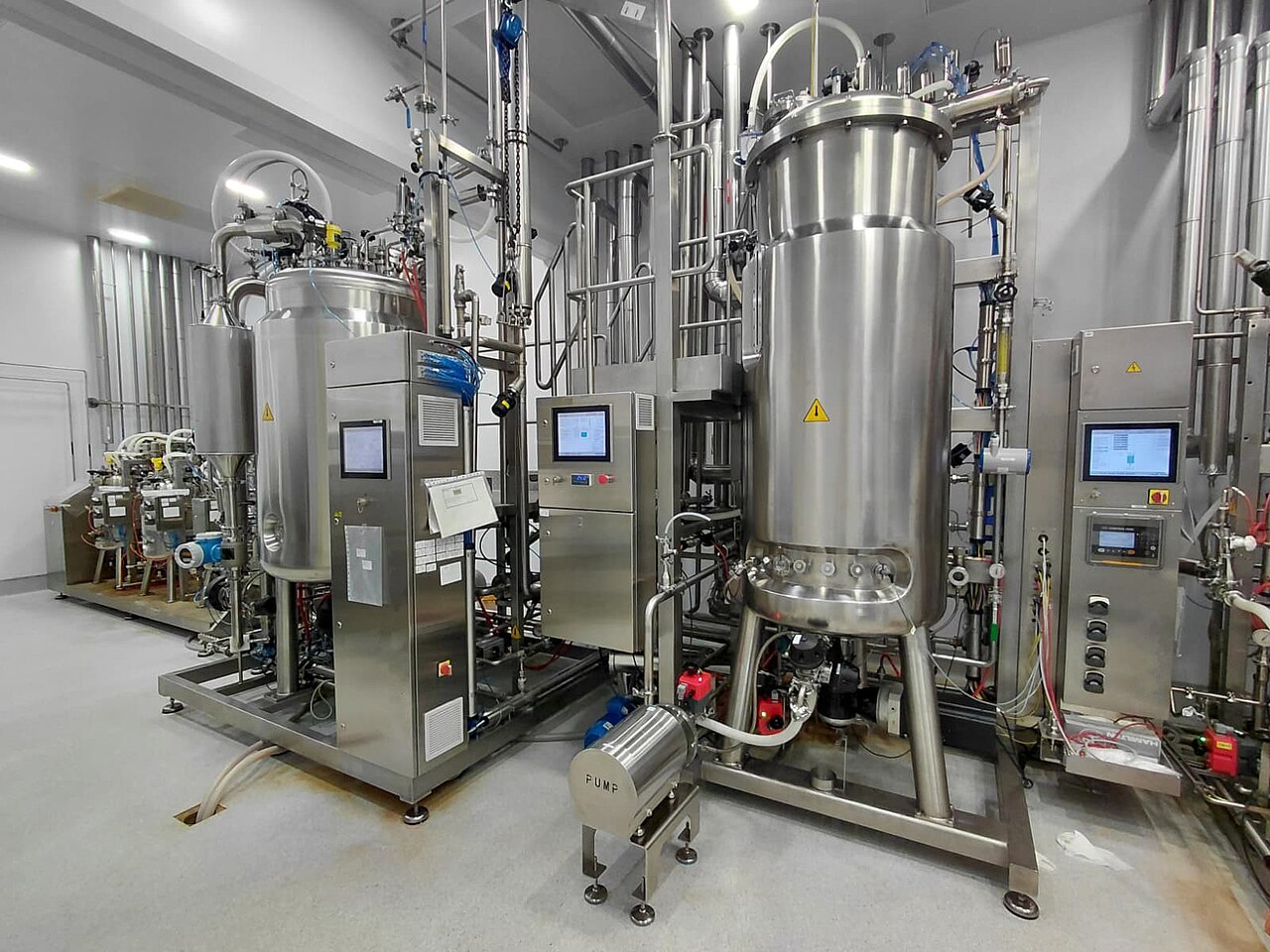
Featured image: Industrial bioreactor and tangential flow filtration system by CC1984USA, via Wikimedia Commons (CC BY-SA 4.0).
Reporting is based on the publicly available sources listed above and has been independently written by Food Tech Insider.