21st.BIO Files EU Novel Food Application for Precision-Fermented Beta-Lactoglobulin, Urges Fast-Track Route for Nature-Identical Proteins
Danish precision fermentation company 21st.BIO has submitted an EU Novel Food application for BLG Essential+, its production technology for bovine beta-lactoglobulin (BLG), the main protein in whey. Announced on 12 November 2026, the filing comes with a direct appeal to European regulators: create a faster, more predictable approval route for well-characterised, nature-identical food proteins made with host strains that already have a record of safe use.
The application asks for a safety assessment by the European Food Safety Authority (EFSA) and does not itself authorise sales. If approved, it would allow 21st.BIO’s licensing partners to produce and sell BLG Essential+ in the EU.
US clearance first, Europe next
21st.BIO self-affirmed GRAS status for the ingredient in September 2024 and received an FDA “no questions” letter on its GRAS notice in October 2025, according to Nutrition Insight. The company says it now offers the same technology to the European market.
The Copenhagen-based business does not plan to be the main manufacturer itself. Under its licensing model, partners receive production strains, fermentation and purification processes, pilot production and regulatory support, and then make the protein in their own facilities, vegconomist reports.
A mycotoxin-free Aspergillus oryzae platform
BLG Essential+ is produced with Aspergillus oryzae, the koji mould used for centuries to make soy sauce and miso. The production platform was developed over decades by Danish biosolutions group Novonesis, which licenses part of it to 21st.BIO; the startup has adapted it for food protein production.
A 2025 peer-reviewed paper in Applied Microbiology and Biotechnology described the strain lineage as the first mycotoxin-free A. oryzae line for industrial production of alternative and novel proteins. The study documented the absence of the known mycotoxin biosynthesis pathways it examined and the inactivation of the penicillin G gene cluster.
José Arnau, 21st.BIO’s chief of strain engineering and regulatory affairs and a co-author of the study, argues that genome analysis now lets regulators assess safety at strain level with much greater precision, and that requirements for proven platforms producing nature-identical proteins should be lower and evaluations faster.
The regulatory ask
The company says preparing the EU dossier took years of scientific and procedural work and significant investment, and that the open-ended approval timeline that follows makes it hard to plan factories and product launches in Europe. Its proposal is a fast-track pathway for well-characterised, nature-identical proteins from host strains and technologies with a demonstrated safety record, keeping Europe’s safety standards while giving applicants a clearer timetable.
“This is not a choice between safety and speed. It is an opportunity to apply the best science to achieve both,” said chief executive Thomas G. Schmidt.
21st.BIO links approval to industrial investment, arguing it could support fermentation plants across Europe and work for equipment makers and process-design firms. It also frames precision-fermented BLG as a way to ease supply constraints in the European whey protein market.
Target applications: clinical and GLP-1 nutrition
The company is positioning BLG for high-protein uses, including:
- clinical and senior nutrition for muscle maintenance and recovery;
- people on weight-loss medication who want to preserve muscle while losing fat;
- compact nutrition formats for people on the go and in conflict zones.
What the timeline looks like
EU novel food approvals for fermentation-derived proteins have so far taken years. Finland’s Solar Foods, for instance, only recently received a positive EFSA opinion for its Solein protein, with EU authorisation expected around mid-2027 (see our coverage). Precision-fermented BLG is also being developed by other companies, including Vivici, whose heat-stability research we reported in October.
For dairy processors, sports and medical nutrition brands, and fermentation CDMOs, 21st.BIO’s filing adds another animal-free whey protein to the EU queue. Its call for a dedicated route for nature-identical proteins also puts the speed of the EU process at the centre of the debate over where Europe’s precision fermentation capacity will be built.
Sources & Credits
- 21st.BIO via Cision – 21st.BIO files EU Novel Food application for BLG Essential+ (press release, 12 Nov 2026)
- vegconomist – 21st.BIO Files EU Novel Food Application for Animal-Free BLG and Calls for a Fast-Track Approval Route (12 Nov 2026)
- Nutrition Insight – 21st.Bio files EU Novel Food application for precision-fermented beta-lactoglobulin (12 Nov 2026)
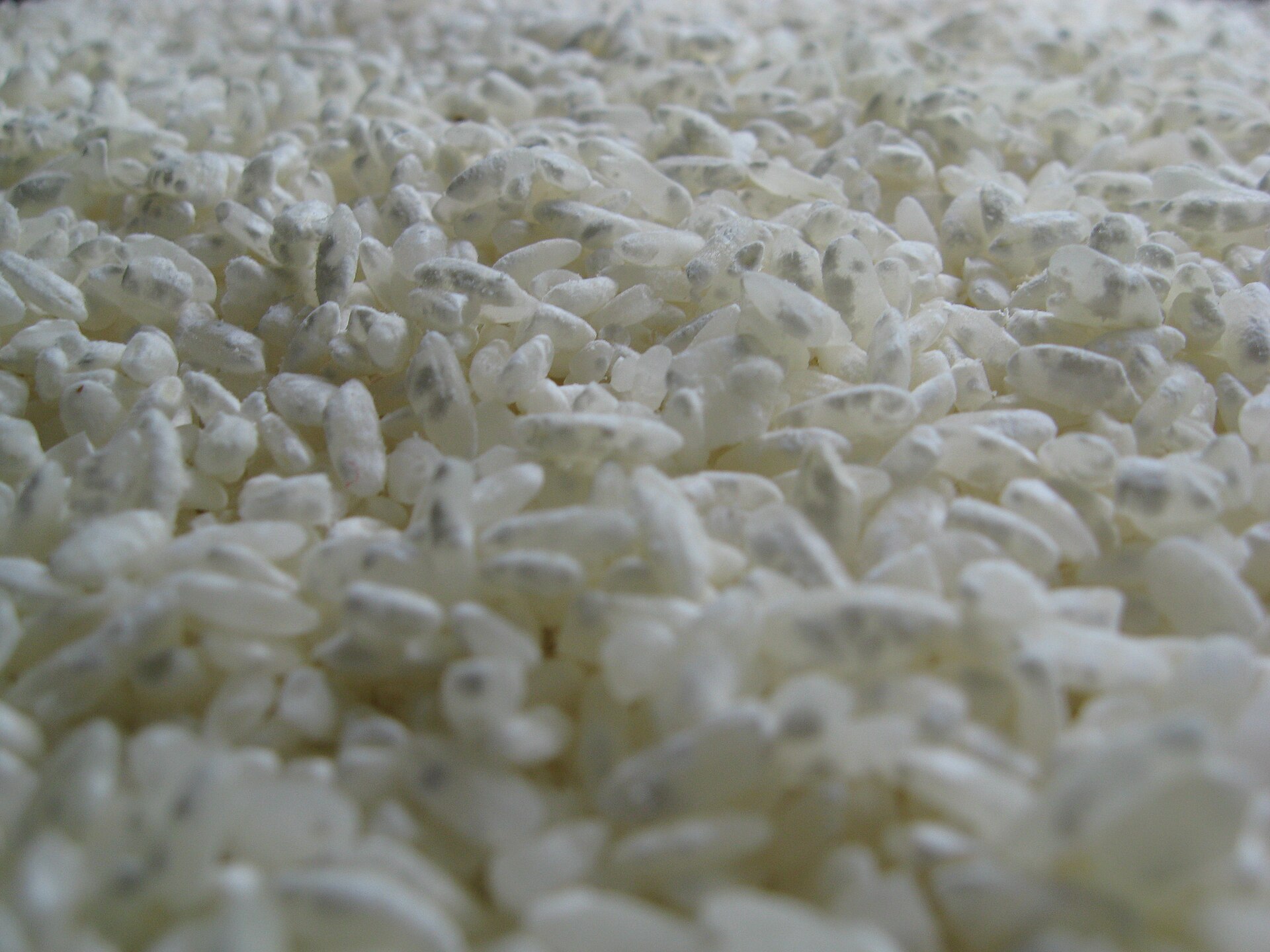
Featured image: Aspergillus oryzae (koji) on rice by Forrest O., via Wikimedia Commons (CC BY-SA 2.0).
Reporting is based on the publicly available sources listed above and has been independently written by Food Tech Insider.