Acosta and SmartSense Surveys Map Frozen Food Consumption Trends Toward Protein, Value and Clean-Label SKUs
Fresh shopper research released around the National Frozen & Refrigerated Foods Association convention in October 2026 sharpens the picture of frozen food consumption trends in the United States: freezer aisles remain a top stop on the grocery trip, shoppers lean on frozen for budget and convenience, and demand is tilting toward high-protein, clean-label and globally flavoured SKUs even as nutrition and premium perceptions lag behind fresh and refrigerated foods.
Acosta Group surveyed 1,183 frozen-food shoppers between 14 and 19 August 2026 through its Shopper Community and presented the findings in October. Separately, SmartSense by Digi published Frozenomics 2.0 on 29 October from a survey of 1,000 US adults aged 21 and over, while Europe’s Nomad Foods released its Frozen in Focus 2026 report based on spring 2026 polling across six markets. Together they give B2B teams current, dated evidence rather than evergreen category lore.
What October shopper surveys show about frozen food use
In Acosta’s US sample, frozen foods ranked among the most-visited departments on a typical trip (83%), just behind refrigerated dairy (87%). Shoppers described frozen as budget-friendly (76%), convenient to store (75%) and good for quick meals (70%). Eighty-three percent called frozen a smart choice for busy households, 78% said it is more convenient than non-frozen foods, 77% trusted its quality and 72% said it helps them stick to a grocery budget.
Perception gaps persist. Only 61% said frozen is just as nutritious as fresh or refrigerated, and 59% said it is just as good, even though the share rating frozen worse on nutrition versus fresh fell six points from the prior year. Fifty-six percent still said frozen feels less premium. Asked what they want more of, shoppers pointed to global flavours (51%, up five points), ready-to-eat meal solutions (50%), high-protein frozen meals and snacks (46%) and clean-label or short-ingredient products (44%).
SmartSense’s October survey adds a pressure-cooker context: 64% said their economic circumstances had worsened versus a year earlier, 66% said grocery budgets had tightened, 58% view frozen as a safety net if finances worsen, and 50% had already bought frozen to cut costs in the prior six months. The same respondents flagged cold-chain risk: 47% worried about temperature abuse in transport and 44% about store handling, while 78% said they would feel more confident if retailers publicly explained temperature monitoring.
Implications for manufacturers and retailers
Acosta frames frozen and refrigerated as complementary, recommending meal-solution cross-merchandising, clearer quality storytelling and assortment that leans into protein, clean label and global flavours while defending value. Gen Z respondents over-indexed on ready-to-eat and high-protein frozen items and were more likely than the total sample to rate frozen better than fresh on taste and nutrition — a signal for brands targeting younger shoppers, not proof of superior nutrition in any specific SKU.
These studies are association and survey evidence, not clinical trials. Nomad Foods’ European work similarly finds a perception gap in which many consumers still assume fresh is more nutritious than frozen despite waste and convenience advantages reported for freezer products. Product developers should treat the October US data as guidance for portfolio and packaging claims: lead with measurable protein, short ingredient lists and meal-use cues, and pair any nutrition messaging with transparent cold-chain credentials rather than blanket superiority claims over fresh.
Sources & Credits
- The Shelby Report – Acosta Study: Shoppers Trust Frozen For Value, Refrigerated For Freshness (21 Oct 2026)
- SmartSense by Digi – Frozenomics 2.0: Why Frozen Foods Remain a Financial Safety Net for Shoppers (29 Oct 2026)
- Nomad Foods – Frozen in Focus 2026 report (Sep 2026)
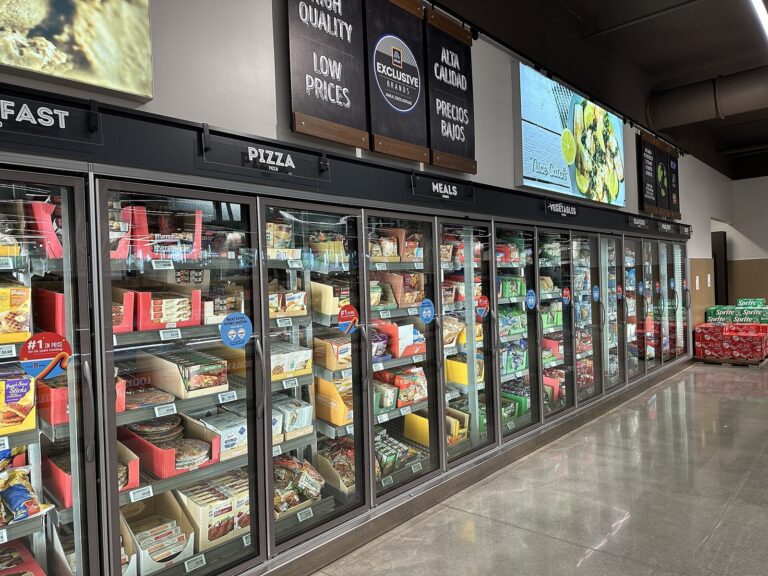
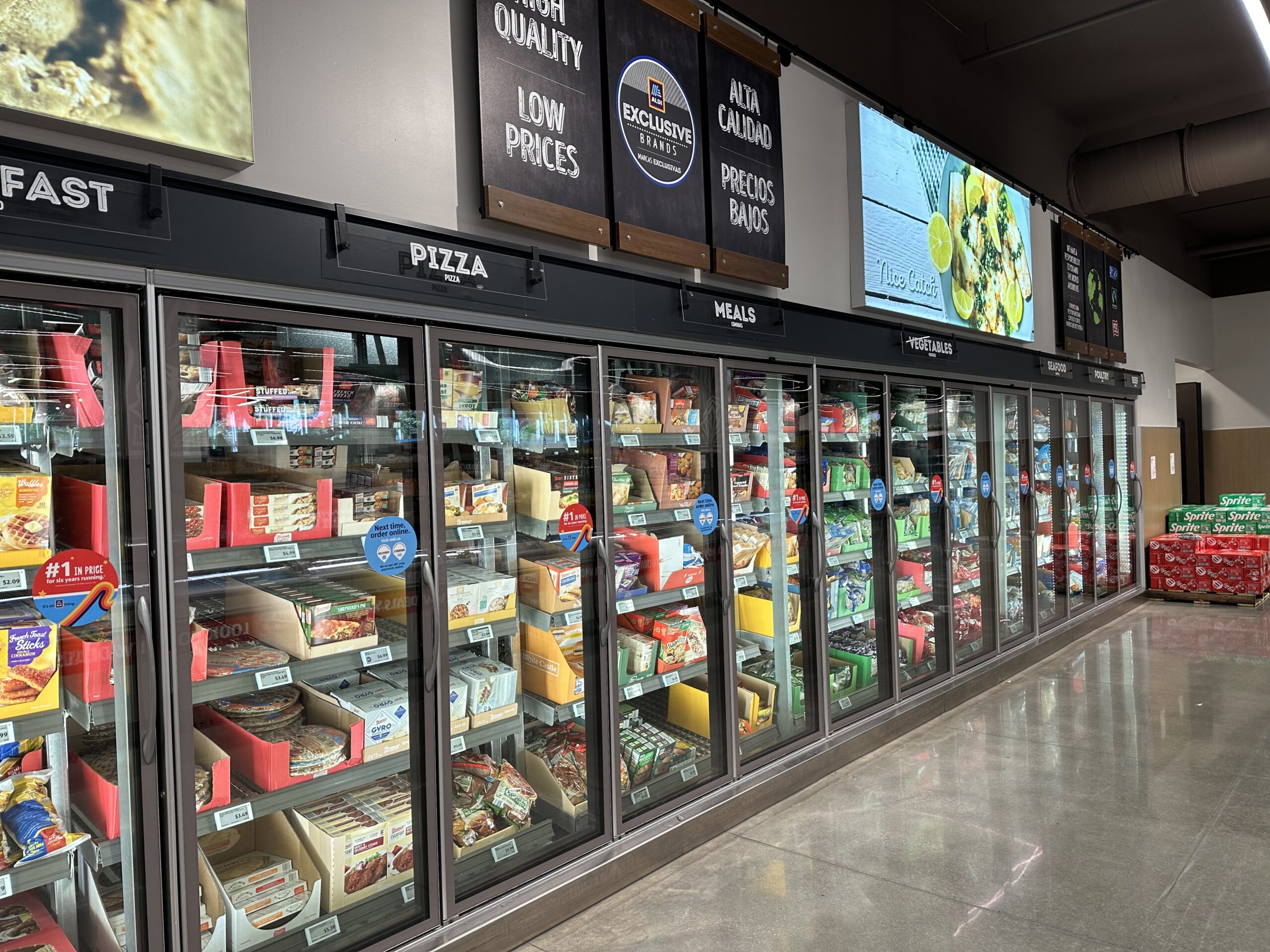
Featured image: New Aldi Miami FL November 2023 – Freezer Aisle by Phillip Pessar, via Wikimedia Commons (CC BY 2.0).
Reporting is based on the publicly available sources listed above and has been independently written by Food Tech Insider.