N&E Innovations Raises $2.4M Series A Led by Tundra Capital to Scale ViKANG99, an Upcycled Cashew-Husk Antimicrobial for Food Packaging and Produce Shelf Life
Singapore deep-tech company N&E Innovations has closed a Series A round reported at $2.4 million, led by Australian agrifood investor Tundra Capital, to commercialise ViKANG99. This patented antimicrobial is extracted from agricultural waste streams such as discarded cashew nut husks. The company says the edible, food-grade ingredient can help fresh produce last up to four times longer. It can be applied directly to fruit and vegetables or built into packaging films and cling wrap.
The deal is a small one, but it lands in a segment that food processors and retailers are watching closely. Active antimicrobial packaging and post-harvest treatments both target food waste and shrink, and both are under pressure to replace synthetic or chlorine-based chemistries with natural actives.
Who invested
Tundra Capital led the round. SGInnovate, Singapore’s government-owned deep-tech investor, also took part, along with The Radical Fund, Archipelago VC and SG7 Group. Existing backers Cercano, SEEDS Capital, Elev8 Capital and Qian Hu Corporation followed on, according to Food & Drink Business.
“N&E Innovations is one of those startups that ticks every box,” said Timothy Hui, managing partner at Tundra Capital. He pointed to the company’s conversion of agricultural waste into a valuable ingredient and to an active that “is applicable at various points across the food value chain.”
How ViKANG99 works
N&E was founded in 2020 by biomedical scientist Didi Gan. Its process breaks agricultural by-products down at a molecular level, extracts naturally occurring compounds that act against bacteria and mould, and refines them into a food-grade ingredient. The company positions the platform across three core markets: active antimicrobial food packaging, plant-based cleaning products and post-harvest agriculture.
“Food waste is usually seen as something we need to get rid of. We see it as a resource,” Gan said. She added that ViKANG99 “isn’t limited to one product” and can be incorporated into packaging, used on fresh produce or formulated into cleaning products.
Packaging first: The Orange Wrap
The first food-contact application is The Orange Wrap, which N&E describes as the world’s first antibacterial cling wrap. A conventional film works only as a physical barrier. Here, ViKANG99 is built into the material itself so that the wrap actively inhibits bacterial growth on the food it covers.
The wrap has entered Australian foodservice through Perth-based distributors Familiar Goods and Ward Distribution. Users include The Re Store, a family-owned Italian delicatessen in Perth that handles cured meats, cheeses and pasta every day. “The antibacterial properties are what really set The Orange Wrap apart,” said Kieran King, owner of Familiar Goods. He said it gives hospitality operators confidence on food safety and hygiene while helping to extend shelf life.
Post-harvest treatments to follow
N&E plans to enter agricultural markets later this year with two systems, Post-Harvest Wash and Post-Harvest Guard. Both apply ViKANG99 directly to harvested fruit and vegetables to suppress mould and microbial growth through storage, transport and retail. The company is pitching them as a natural alternative to conventional treatments such as chlorine washes and waxes.
Existing customers include Singapore Airlines and Singapore supermarket chain Sheng Siong. Its KeepWell plant-based hygiene range was distributed in the 2026 Singapore National Day Parade fun pack.
Expansion plans
The new capital will support international expansion, regulatory programmes and team growth. N&E is active in Australia, the UK, Germany, Vietnam and Taiwan, where restaurants and foodservice operators already use its products. In Australia, Kinoya was appointed exclusive distributor of the KeepWell range in June, and selected IGA supermarkets in Sydney are lined up as the first retail entry point.
Why it matters
For packaging converters and fresh-produce supply chains, the commercial question is whether upcycled natural antimicrobials can deliver measurable shelf-life extension at a cost that competes with established actives. Regulatory clearance for food-contact and post-harvest use will vary by market, which is why N&E has earmarked part of the round for regulatory work. Its rollout in Australia’s deli and foodservice channels, and the start of its post-harvest trials, will be the first real indicators of demand.
Sources & Credits
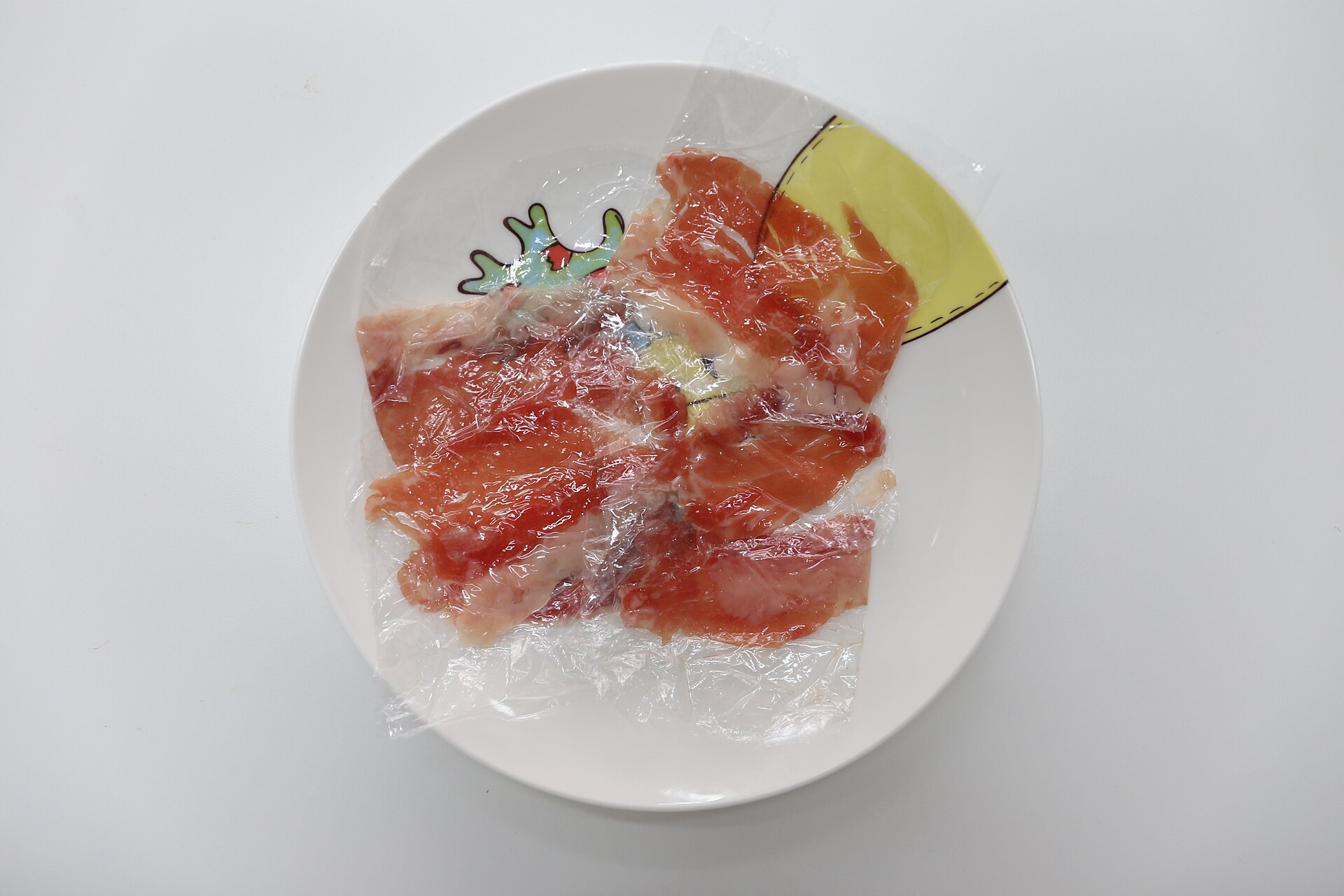
Featured image: Meat with cling wrap by Nicholas Five, via Wikimedia Commons (CC BY-SA 4.0).
Reporting is based on the publicly available sources listed above and has been independently written by Food Tech Insider.