Senara Opens Maastricht Hub With LIOF Investment to Scale Cell-Cultivated Milk, Launches Round for Pilot Facility
Senara, a Freiburg-based startup producing cell-cultivated milk, has opened a second site in Maastricht, the Netherlands, with an investment from LIOF, the regional development agency of the Dutch province of Limburg. The amount was not disclosed. The company says the new hub will help it scale its technology towards production and market launch. It has also opened a new funding round to support a possible pilot facility in the city.
LIOF announced the investment on 23 October, and Green Queen reported further details on 30 October.
Milk from milk-producing cells
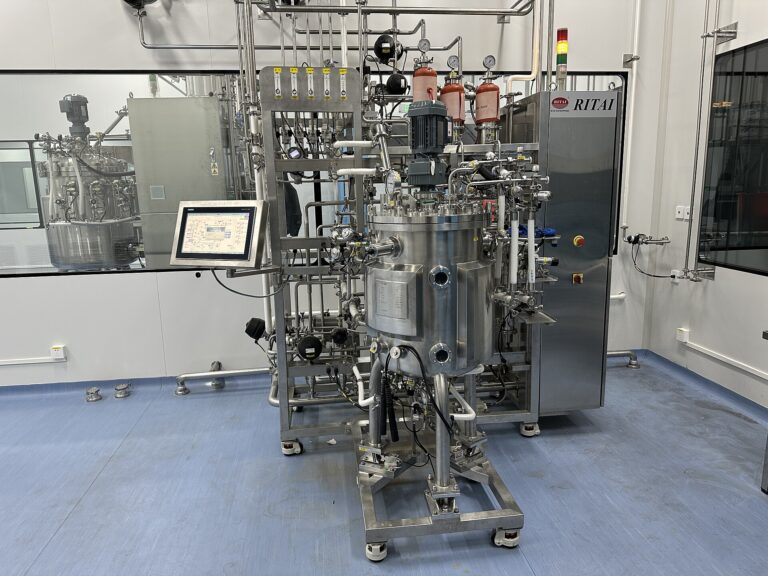
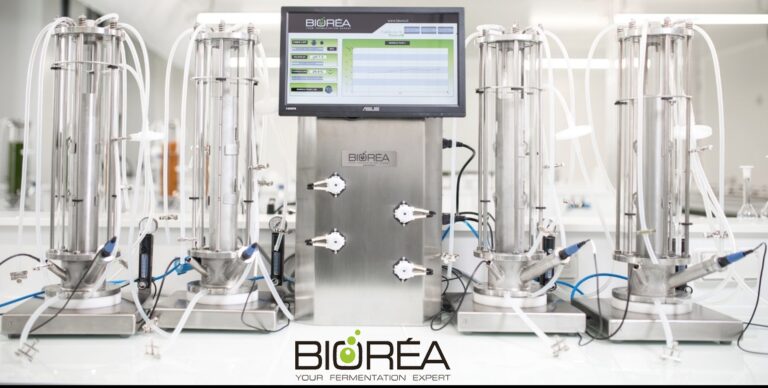
Founded in 2022 by Dr Svenja Dannewitz (CEO) and Philipp Prosseda, Senara grows milk-producing cells in a bioreactor, where they secrete milk much as they would in the udder. According to Green Queen, the company sources its cells from milk itself rather than from tissue biopsies of the animal. It selects suitable cells through a continuous, high-throughput process aimed at lowering costs, and grows them in a custom bioreactor designed for scale-up.
The company says its milk contains the main components of dairy, including lactose, casein, whey and micronutrients. It has been working at pilot scale with a 100-litre bioreactor and has previously said it plans an industrial-scale bioreactor by 2028, Green Queen reports.
“We don’t want to change milk; we want to improve the way it is produced,” Dannewitz said. She added that in future “farmers could use this technology with bioreactors on their own farms,” letting them remain part of the food system as production methods change.
Food applications, with cosmetics as a faster route
Senara is exploring applications in ice cream, cheese and panna cotta, and says it is working with international food producers on other products. It also sees cosmetics and skincare ingredients as a route to earlier revenue, because that market is less tightly regulated than food. The company expects its first food products to reach supermarket shelves within the next few years. Green Queen reports that longer term it wants to produce milk from the cells of other species, including goats, sheep and buffalo, and that formats such as lactose-free or A2-rich milk are possible.
Why Maastricht
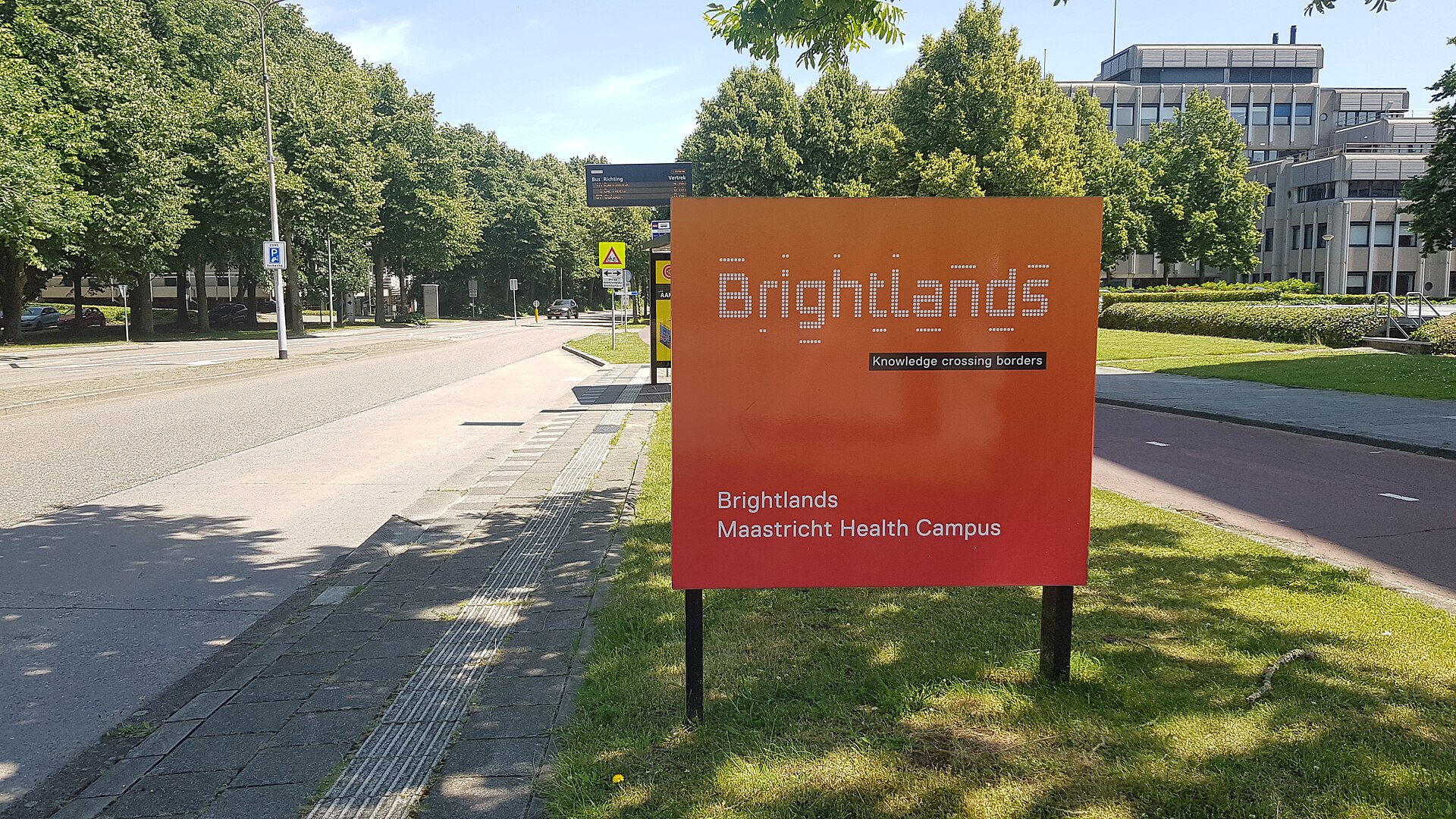
LIOF presents the deal as part of building Limburg into a cellular agriculture cluster. The world’s first cultivated hamburger was developed in Maastricht more than a decade ago. The region now includes Maastricht University, Brightlands Maastricht Health Campus, Mosa Meat and Cultivate at Scale, an open-access facility where companies can scale up cell cultivation processes without first building their own plants. The Netherlands also allows controlled tastings of cultivated products, which can help startups gather early consumer feedback.
“Senara is among the European frontrunners in cell-cultivated dairy and has the ambition to grow internationally,” said Annemoon Borst, investment manager at LIOF. “Limburg brings together specialised knowledge, entrepreneurship, investment capital and scale-up infrastructure.”
A small but active cell-based dairy field
Senara is one of only a few companies working on cell-cultured whole milk. Others include Canada’s Opalia, Israel’s Wilk and Brown Foods, maker of UnReal Milk. The segment has started to show commercial signals: Opalia recently agreed to supply its cell-based whole milk to Dutch dairy trader Hoogwegt, which plans to test it in cheese, yoghurt and butter.
Cell-cultivated milk is different from precision-fermented dairy proteins, which recently gained FDA “no questions” letters for casein in the US. Precision fermentation produces individual proteins, while cell-based milk aims to reproduce the whole fluid, including fats and sugars. That is a harder bioprocess, but it could give manufacturers an ingredient that behaves like conventional milk in existing dairy lines.
What to watch
- Funding round: the size and backers of Senara’s new round, and whether it secures enough to build a Maastricht pilot facility.
- Scale-up path: progress from 100 litres towards the industrial-scale bioreactor targeted for 2028, and whether Cultivate at Scale is used as an intermediate step.
- Regulation: which ingredient category reaches market first, cosmetics or food, and when Senara begins EU novel food work.
Sources & Credits
- LIOF – Senara secures LIOF investment to accelerate cell-cultivated milk (23 Oct 2026)
- Green Queen – German Cell-Based Milk Startup Senara Expands to Netherlands with Govt Funding (30 Oct 2026)
- Protein Production Technology International – Senara secures LIOF investment to scale cultivated milk in Maastricht
- IO+ – Lab-grown milk startup Senara lands LIOF investment
Featured image: Brightlands Maastricht Health Campus sign by Romaine, via Wikimedia Commons (CC0 1.0).
Reporting is based on the publicly available sources listed above and has been independently written by Food Tech Insider.