Oatly Launches Fiber Oat Drink Platform, Targeting GLP-1 Users and the Wellness Market
Oatly is moving beyond plant-based milk substitutes into functional nutrition. The Swedish oat drink company has launched a fiber-fortified beverage platform, and on its third-quarter call on 28 October it said demand is partly driven by consumers using GLP-1 medications.
Oatly Fibre will be available in 11 European markets by the end of 2026, and Oatly Fiber will launch in the United States in January 2027. The company is pitching the line as a simple way to close the “fibre gap” between recommended and actual intake, without asking consumers to change their routines.
Two formats: the latte and the shake
The platform launched in Sweden in October with two products sold in one-litre cartons, according to Metro Mode:
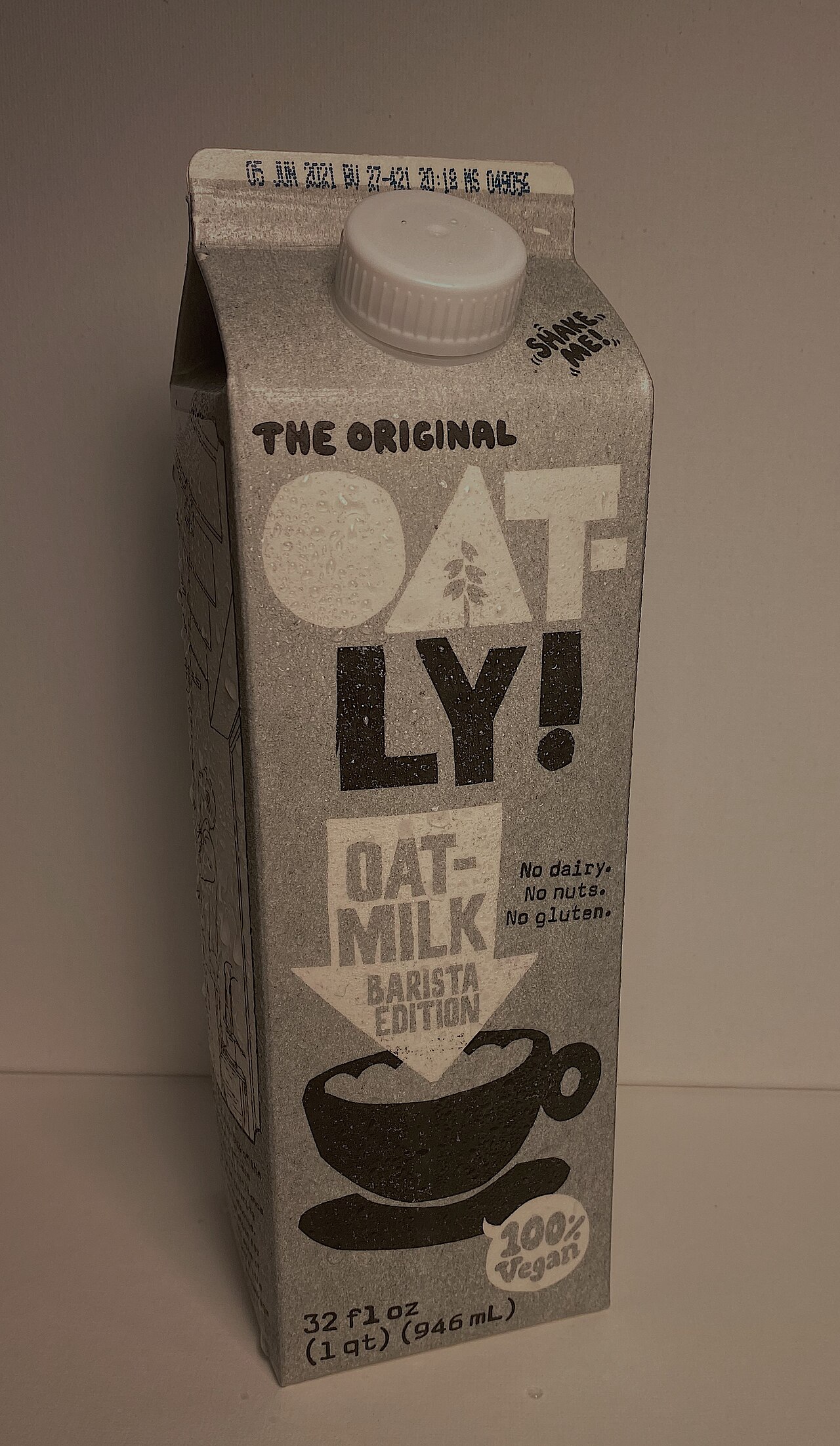
- Fiber Barista Edition is built for coffee. It froths like Oatly’s standard barista product and is low in sugar (0.6 g per 100 ml), at 63 kcal per 100 ml.
- Fiber Low-Cal is sugar-free at 20 kcal per 100 ml and is aimed at smoothies, shakes and overnight oats.
Both provide 5 g of fiber per 250 ml, roughly the amount in an oat latte. Oatly said on the results call that serving delivers 5–6 g. The fiber comes from oats combined with other plant fibers. Ingredient lists show chicory root fiber and soluble corn fiber in the barista version, and corn, chicory root and citrus fibers in the low-calorie drink. Both are also fortified with calcium, iodine, vitamin B2 and vitamin D.
“Getting an extra 5 g of fibre can be as simple as choosing an oat drink developed with extra fibre in mind,” said Kate Overy, Oatly’s head of nutrition and science communication, in the Swedish launch release.
GLP-1 users and women as target consumers
On the earnings call, chief operating officer Daniel Ordonez tied the launch directly to changes in how consumers eat. “Fueled by the growing use of GLP-1 medications, consumers are increasingly scrutinizing the quality and the quantity of nutrients,” he said, according to Food Business News. He also pointed to the beta-glucans naturally present in oats.
Ordonez said the low-calorie product can be combined with protein powder, and that the platform has a “particular focus on female consumers.” CEO Jean-Christophe Flatin described Fiber as a platform that takes Oatly into the “wellness space,” rather than a one-off line extension.
The move follows wider category trends. Brands across beverages, snacks and dairy are using fiber and protein claims to win GLP-1 users, who tend to eat smaller portions and look for nutrient density.
The commercial backdrop
Oatly needs new growth drivers. In the third quarter, revenue rose 9.1% to US$243.1 million, led by 19.5% growth in its Europe & International segment. Gross margin was 34.1% and adjusted EBITDA came to US$9.4 million, but the company still posted a net loss of US$27.5 million.
Oatly also cut its full-year adjusted EBITDA guidance to US$16–20 million, down from US$25–35 million, mainly because of higher fuel and freight costs in North America. It kept its revenue growth outlook of 8–10%.
Functional products usually carry premium pricing, so a successful fiber platform could help margins as well as volumes. The US launch in January 2027 will be the key test. Cost pressure in North America drove this quarter’s guidance cut, and the fiber line will compete with a growing range of high-protein and gut-health drinks.
Key takeaways for the category
- Plant-based dairy brands are repositioning around functional benefits rather than relying only on sustainability and dairy-free claims.
- GLP-1 adoption is now an explicit part of product strategy for mainstream beverage companies, not just specialist nutrition brands.
- Fiber fortification using chicory, corn and citrus fibers lets brands add benefit claims without changing the core usage occasion, in this case the morning coffee.
Sources & Credits
- Food Business News – Oatly enters wellness space with fiber beverages (30 Oct 2026)
- Oatly Group – Oatly Reports Third Quarter 2026 Financial Results (28 Oct 2026)
- Metro Mode – Fibre in your morning latte! Oatly launches two new oat drinks (8 Oct 2026)
Featured image: Oatly Barista Edition carton by Ajuliette102, via Wikimedia Commons (CC BY-SA 4.0).
Reporting is based on the publicly available sources listed above and has been independently written by Food Tech Insider.