Hoogwegt Becomes First Buyer of Opalia’s Cell-Based Whole Milk, Will Test It in Cheese, Yoghurt and Butter
Dutch dairy ingredients group Hoogwegt is set to become the first buyer of cell-based whole milk from Canadian start-up Opalia. The milk is made from cultured bovine mammary cells, and the companies describe the purchase as a world first. Hoogwegt will use the first production batch for composition analysis and product development, with fresh cheese, yoghurt and butter named as the leading target applications.
The first batch will be formally handed over at Fi Europe in Frankfurt on 17 November 2026, where the partners will also show a prototype on Hoogwegt’s stand. Neither company has disclosed the volume or price. Hoogwegt global technology director Roland Wientjes told Green Queen that the price reflects the cost of producing the batch, because “the purpose is to evaluate the technology, not to make a commercial margin”.
Whole milk, not a single protein
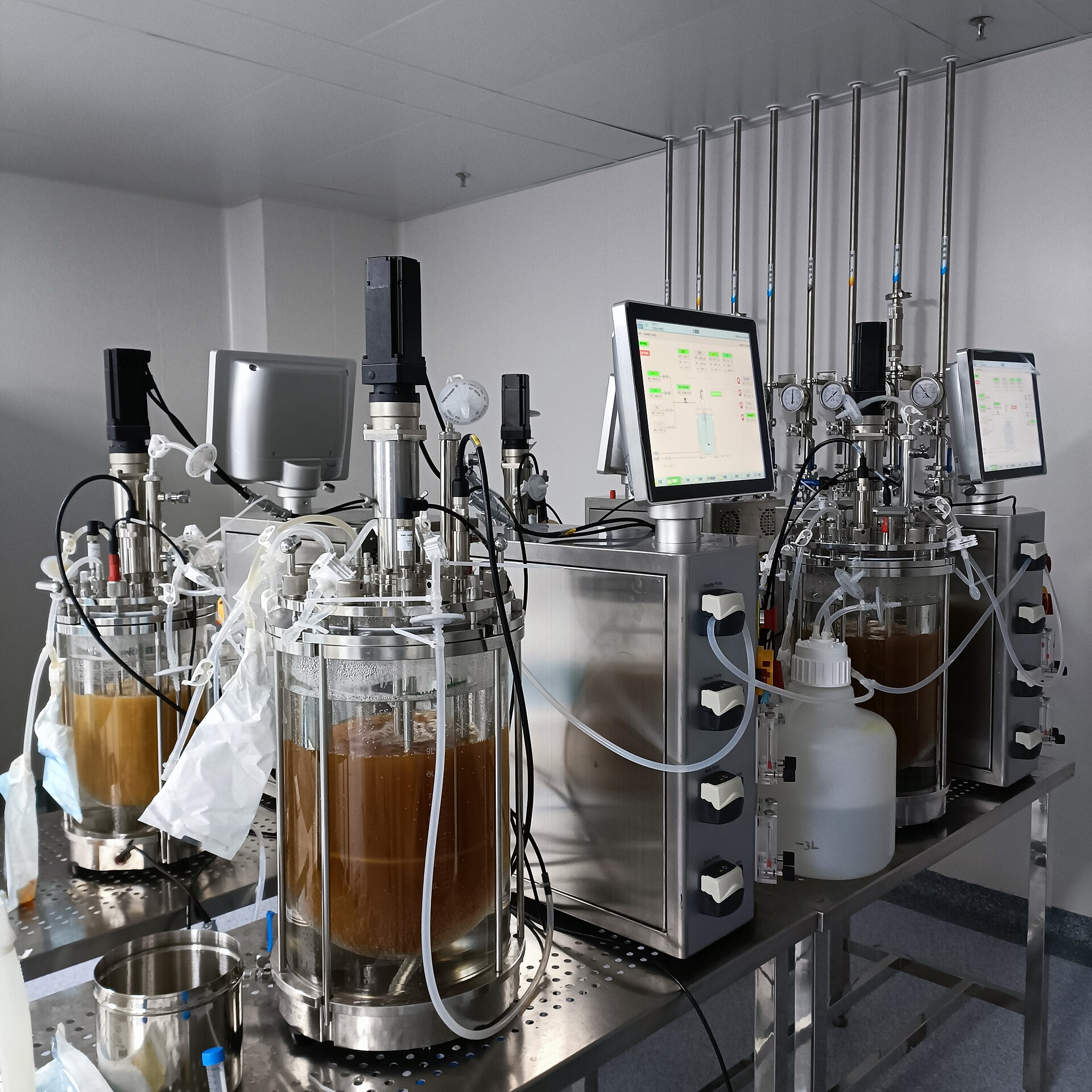
Founded in Montreal in 2020 by CEO Jennifer Côté and CTO Lucas House, Opalia grows bovine mammary cells in bioreactors and induces them to secrete milk containing proteins, fats and sugars. The company uses an immortalised cell line, so it does not need to take more tissue from cows, and says its process is serum-free.
That is the main technical difference from precision fermentation. Precision fermentation companies use engineered microbes to make individual dairy proteins such as whey or casein, which then have to be formulated into products. Opalia’s output is a whole-milk product that the company says can be sold to B2B customers in fluid or powdered form and fed into existing dairy processing lines.
Opalia has validated the process at laboratory scale. The handover to Hoogwegt is the first time its milk will be assessed by a commercial partner outside the lab.
What Hoogwegt will test
Wientjes said the work will start with composition analysis and functional testing for fresh cheese, yoghurt and butter. Hoogwegt plans to explore both 100% cell-based products and hybrid formulations that blend cell-based and conventional milk. “Based on current knowledge, we see real potential for full replacement in several product applications, and hybrid applications offer an interesting route as well,” he told Green Queen.
He also cautioned that the technology is at an early stage and that further testing is needed before specific applications, markets or launch timelines can be set. “The future of dairy will be a mix of traditional and new production methods, and we want to help shape it,” Wientjes said in the joint announcement.
Hoogwegt has been an Opalia investor since 2023 and signed a commercial agreement with the start-up covering 2026 and 2027.
Scale-up and regulatory path
Opalia recently raised C$3.2 million to build a proprietary modular bioreactor that it says will produce the equivalent of one cow’s output, about 28 litres a day, and validate scale-up to larger volumes. Once the process is validated, the company plans to license its technology to customers, with Hoogwegt’s support. Côté has said the company is aiming for a unit price of $2 per litre as capacity grows.
On regulation, Wientjes said Opalia plans to submit a novel food pre-market notification to Health Canada in mid-2027, with pathways for other markets, including the EU, to follow as the Canadian process progresses. The company says it aims to obtain food-grade status in 2028. In the United States, cell-based dairy would need sign-off from both the FDA and USDA, and Green Queen notes that one US state has already pre-emptively banned the sale of cell-based dairy.
Beyond Hoogwegt, Opalia says it has a paid pilot with the Canadian division of one of the world’s largest dairy companies. It also says it is in talks with other food and dairy groups in North America, Europe and Asia to turn signed letters of intent into commercial pilots over the next two years.
Why it matters for the cell-based dairy market
Cell-based dairy is a small field. Opalia’s peers include Wilk and Accellta in Israel, Europe’s Senara and Brown Foods’ UnReal Milk, while Nūmi and 108Labs are working on cultivated breast milk. A purchase by an established dairy trader, even of a development batch, is an early commercial signal in a category that has mostly been judged on lab results and funding rounds.
The bigger questions are still open: production cost at volume, how the milk behaves in cheese and butter, and how regulators and labelling rules will treat it. Hoogwegt’s application testing, and whether Fi Europe produces any offtake agreements, will be the next checkpoints for investors and dairy processors watching animal-free dairy.
Sources & Credits
- Opalia – Hoogwegt Purchases World’s First Cell-based Whole Milk from Opalia (26 Oct 2026)
- Green Queen – Hoogwegt Eyes Next-Gen Cheese & Butter After Buying Opalia’s Cell-Based Milk (27 Oct 2026)
- Protein Production Technology International – Hoogwegt agrees first purchase of Opalia’s cell-cultivated whole milk
- FoodIngredientsFirst – Hoogwegt to purchase Opalia’s cell-based whole milk for dairy development
Featured image: Bioreactor for cell culture in the laboratory by Habin Zhang, via Wikimedia Commons (CC BY-SA 4.0).
Reporting is based on the publicly available sources listed above and has been independently written by Food Tech Insider.