GFI Europe Report: €1.3B in Alternative Protein Research Funding Gives Europe the Lead, but China Overtakes It on Patent Families
Europe has built the world’s largest alternative protein research base on the back of almost €1.3 billion in public and philanthropic funding since 2020. However, China is closing the gap fast, according to a new benchmarking report from the Good Food Institute Europe (GFI Europe). The analysis is the first to compare European research and innovation in plant-based foods, fermentation and cultivated meat against the rest of the world. It covers funding from 2020 to 2025 and publications and patents from 2010 to 2025.
Where the alternative protein research money comes from
The European Commission is the single largest funder in GFI’s global dataset, having committed €454 million since 2020. European countries make up most of the top 10 global funders, although China is absent from the ranking because data is not available.
On public funding alone, the United States leads at €191 million, followed by the United Kingdom at €148 million. The Netherlands (€95 million) and Germany (€82 million) also stand out in Europe. The Nordic region is well represented: Finland has spent €78 million, Norway €59 million and Sweden €51 million. Including philanthropic money, Denmark has invested €164 million, or about €28 per person.
Green Queen’s analysis of the report adds that Europe is the only region putting substantial funding into dairy alternatives research, at €73.5 million. North America has committed less than €8 million to that category.
Europe leads on researchers, China on momentum
Europe is home to 30% of the world’s alternative protein researchers, compared with 25% in China and 7% in the US. That equals 11 researchers per million people in Europe, against four in both China and the US. European academics published 30% of all alternative protein studies between 2010 and 2025, ahead of China (19%) and the US (9%).
The pace of research is changing quickly. Between 2023 and 2025, 7,775 papers were published worldwide, more than half of all alternative protein research since 2010. Over that period, China’s output rose 92%, compared with 60% in Europe. China already hosts 35% of the world’s top 100 alternative protein research institutions, against Europe’s 27%. Within the top 1,000, however, Europe accounts for 29% and China for 17%. The largest research hotspot globally is centred on Wageningen in the Netherlands, together with nearby institutions in Delft and Utrecht.
Patents: volume versus unique inventions
European innovators filed more than a third of global alternative protein patents between 2023 and 2025, compared with 20% from China and 17% from the US. Counting patent families, which group filings that protect the same invention, gives a different picture: Europe published patents in 1,461 families against China’s 2,147. GFI Europe says this shows China leads on the total number of new inventions.
Chinese research institutions are also much more active in patenting. Sixty-three percent of global patent filings from research institutions came from China, while Europe’s research institutions filed fewer than South Korea’s.
Technical research gap
The report finds that 85% of China’s publications address technical areas such as cell lines, texturisation and fermentation-derived ingredients, compared with 61% in Europe. GFI Europe links the difference to Europe directing around a third of its research funding to societal questions, including environmental impact, health and consumer acceptance.
“Europe has the expertise needed to realise the food security and public health benefits of alternative proteins, but its global leadership position is not guaranteed to last as China catches up quickly,” report author David Hunt, senior research community manager at GFI Europe.
What GFI Europe wants funders to do
The think tank is calling on European funders to put more money into technical research on taste, affordability and scalability. It also wants more public-private partnerships so that academic results reach commercial products, along with investment in shared infrastructure and networks. It suggests bringing more researchers from adjacent fields into alternative proteins, pointing out that one in four Danish food scientists and more than one in five Finnish food scientists have published an alternative protein study in the last three years.
For investors and ingredient companies, the findings point to a widening gap between Europe’s strong science base and its ability to turn that science into commercial products. That gap has also been raised in recent debates over EU fermentation capacity and first-plant financing. The report follows GFI Asia Pacific’s finding that China’s biomanufacturing industry is now scaling up alternative protein production.
Sources & Credits
- GFI Europe – Alternative protein research: new analysis reveals Europe’s lead narrows as China steps up (25 Nov 2026)
- GFI Europe – Benchmarking Europe’s Alternative Protein Research and Innovation Ecosystem: A global analysis for 2023–2025 (PDF)
- Green Queen – Europe Leads in Public Funding for Alternative Proteins, But China Is Coming for Its R&D Crown (27 Nov 2026)
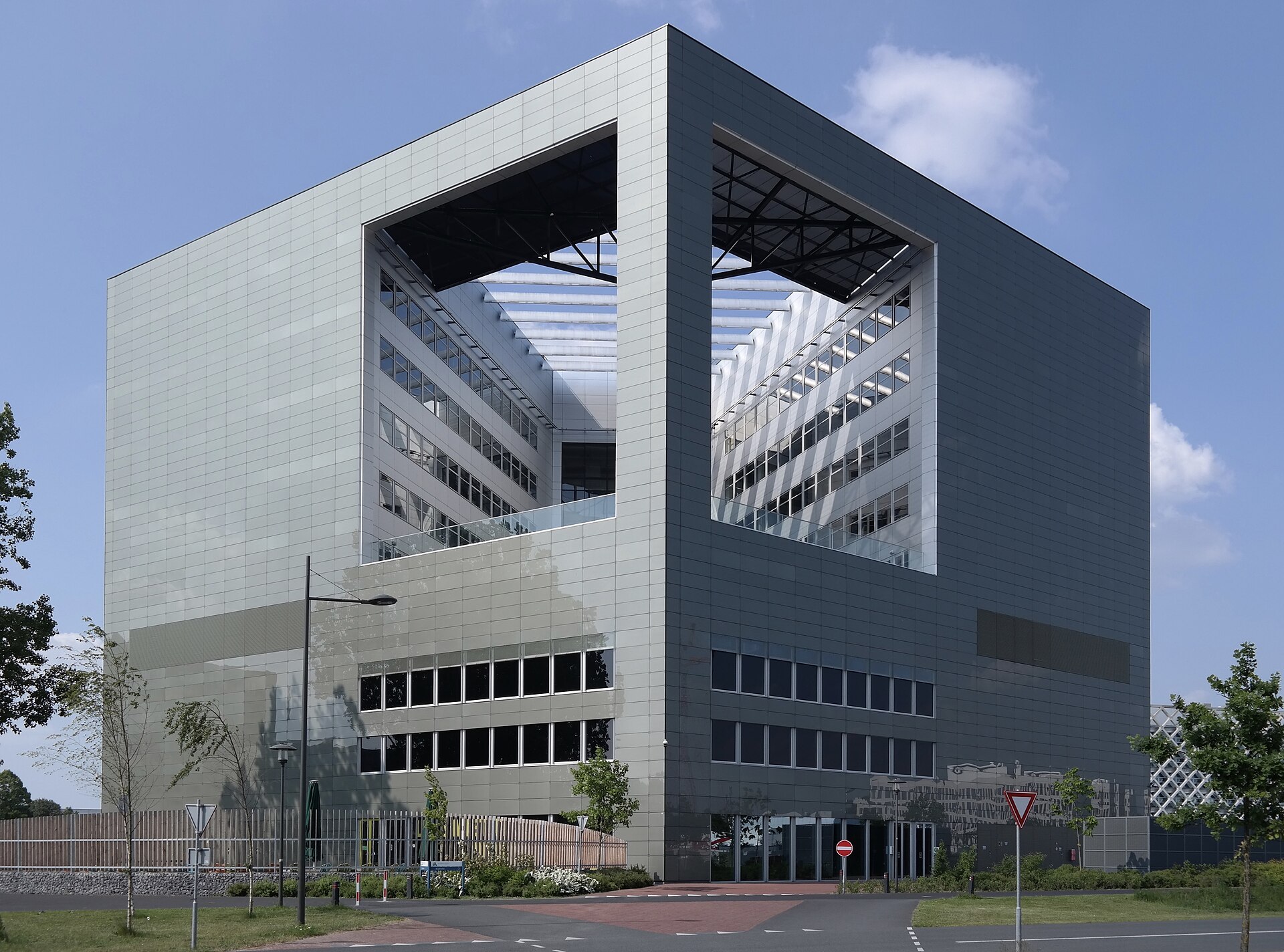
Featured image: Orion building, Wageningen University & Research by Choinowski, via Wikimedia Commons (CC BY-SA 4.0).
Reporting is based on the publicly available sources listed above and has been independently written by Food Tech Insider.