Edonia Raises €15 Million to Scale Spirulina Protein Production, Backed by €30 Million in Pre-Orders
PARIS, Oct 6, 2026 — French foodtech Edonia has closed a €15 million financing package to industrialise Edo, its spirulina-based whole-food protein ingredient, after lining up around €30 million in pre-orders from food industry customers before its dedicated factory is even built.
The round was led by SWEN Blue Ocean 2, the ocean-focused venture fund of SWEN Capital Partners, together with Asterion Ventures and EIT Food. The package also includes non-dilutive support from Bpifrance under the France 2030 programme, plus bank financing. SWEN’s own announcement cites €12 million of investment from the lead backers, suggesting the balance of the €15 million comes from public and debt funding.
Demand secured ahead of capacity
The headline number for investors is not the raise but the order book. Edonia says it has signed about 20 contracts with industry players, together worth roughly €30 million in pre-orders, or twice the size of the financing. Existing customers include Newrest, an international catering group operating in around 50 countries, and Aliive.
Asterion Ventures, which also led Edonia’s €2 million pre-seed round in 2024, highlighted that the team built a commercial pipeline before its factory was operating. Partner Marine Reygrobellet said that track record spoke to both product quality and the team’s sales capability.
How Edonization works
Spirulina is nutrient-dense, but as a dry green powder with a strong taste it has struggled to move beyond supplements and smoothies. Edonia’s answer is Edonization, a patented process developed with French agricultural science school AgroParisTech. Spirulina is cooked in oil at a controlled temperature to produce a tender, mince-like grain.
The company says Edo contains 27 grams of protein per 100 grams and that its ground-meat texture comes from the process itself, so no added flavourings or texturisers are needed. Edonia positions the ingredient as an alternative to meat, cheese and fish in food manufacturing and foodservice recipes, and claims a carbon footprint up to 27 times lower than meat.
Where the money goes
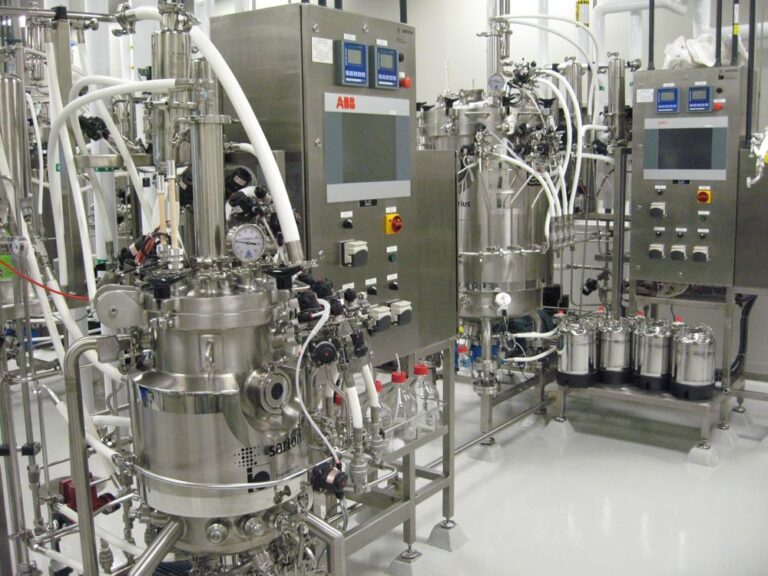
Edonia began industrialising the technology in 2024 with a functional pilot plant, then set up its own supply chain and fulfilled first orders. The new capital will fund a dedicated production facility located at an existing shared site in France, run with a partner the company has not named. That shared-site model should keep upfront capital spending lower than a greenfield build.
The company will also expand its B2B foodservice sales model across Europe, Japan and the United States.
Co-founder and chief executive Hugo Valentin said Edonia had shown that a whole-food protein can beat animal protein on nutrition and compete on price with real customers at real volume. The funding, he said, would let the company “turn our promise into verified proof”.
The investor read-through
The deal reflects how alternative protein funding has shifted. After several years of falling valuations in plant-based meat and capital-heavy bioprocessing, investors are favouring companies that combine contracted revenue, modest capital needs and simple ingredient lists. Edonia’s two-ingredient, minimally processed positioning also aligns with mounting regulatory and consumer scrutiny of ultra-processed foods in Europe and the US.
SWEN Blue Ocean 2’s participation underlines growing interest from ocean and blue-economy funds in aquatic biomass as a protein source. Investment director Julie Peyrache said consumers are too often forced to compromise on environment, health or taste when choosing protein, and that Edonia’s microalgae ingredients aim to remove that trade-off.
What to watch
The next milestones are the facility’s start-up date and how quickly pre-orders convert into delivered, invoiced volumes. Price parity claims will be tested at scale, particularly in cost-sensitive contract catering. Entry into Japan and the United States will also require navigating local labelling and ingredient approval rules for a novel spirulina format.
Sources & Credits
- EIT Food – Edonia raises €15 million to scale its microalgae-based whole-food protein
- Tech.eu – Edonia raises €15M to scale microalgae protein
- vegconomist – Edonia closes €15M round backed by €30M in pre-orders
- SWEN Capital Partners – SWEN Blue Ocean joins Edonia funding round
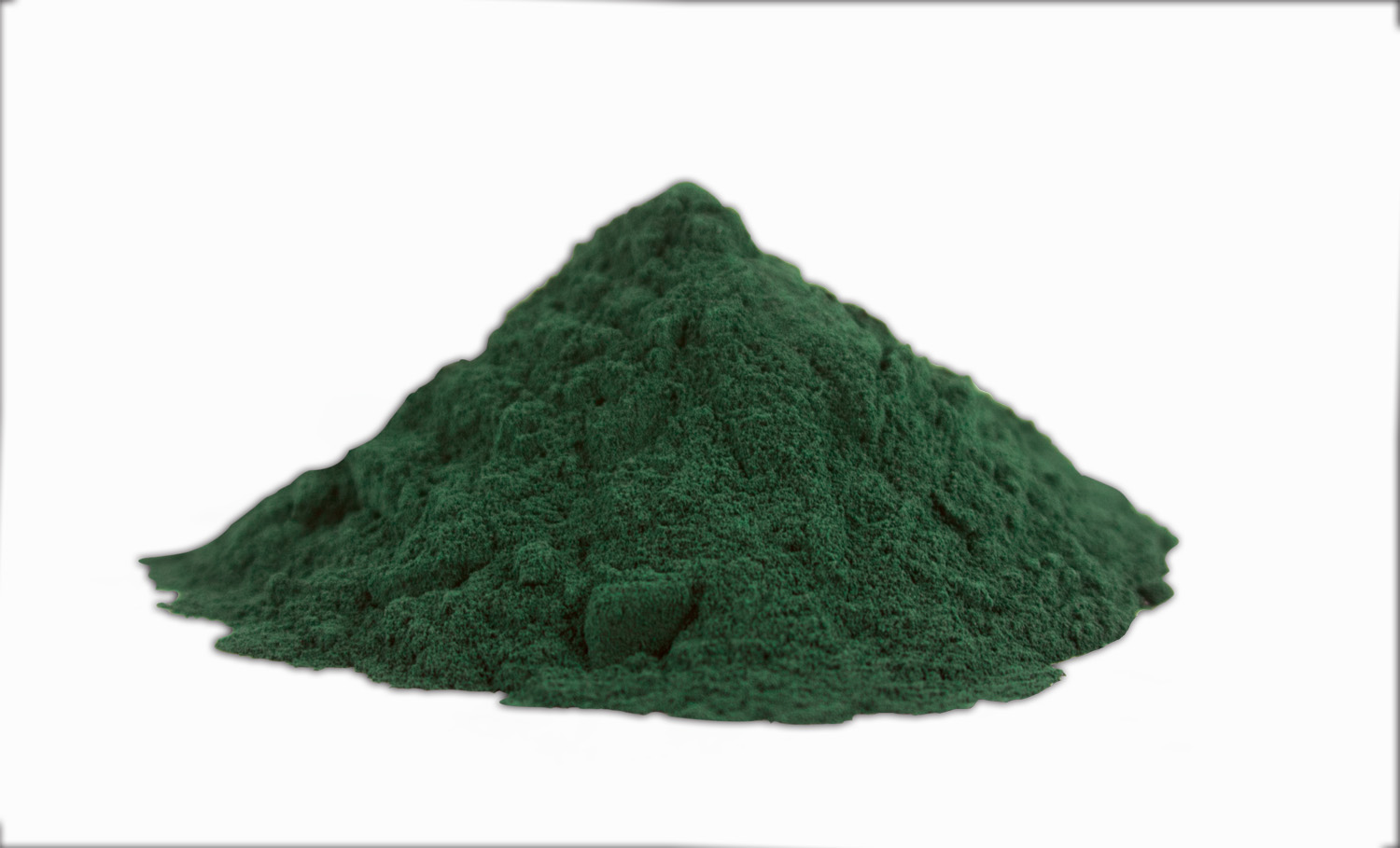
Featured image: Spirulina powder by Music4thekids, via Wikimedia Commons (CC BY-SA 3.0).
Reporting is based on the publicly available sources listed above and has been independently written by Food Tech Insider.