Spiber Launches BIOFOUNDRY Fermentation CDMO, Opening 100 kL Capacity to Food Ingredient Scale-Up
YOKOHAMA, Oct 7, 2026 — Japanese biotechnology company Spiber is turning the fermentation infrastructure behind its Brewed Protein materials into a contract service, offering food ingredient developers and other biomanufacturers a route from one-litre trials to commercial fermenters of more than 100 kilolitres. The new business, SPIBER BIOFOUNDRY, makes its public debut at BioJapan 2026 in Yokohama this week.
Announced on Oct 2 from the company’s home base in Tsuruoka, the launch targets what many precision fermentation start-ups call their hardest commercial problem: finding a partner that is both able and available to run a genetically engineered microbe at pilot and production scale.
Two services, one platform
SPIBER BIOFOUNDRY is split into two offers. The first is high-yield strain development. Spiber redesigns the gene sequence for a customer’s target protein, inserts it into its proprietary microbial host strains and measures expression. Its service overview lists an entry package of five gene designs delivered in eight to 12 weeks, from roughly US$8,000, with the resulting strains normally licensed to the customer.
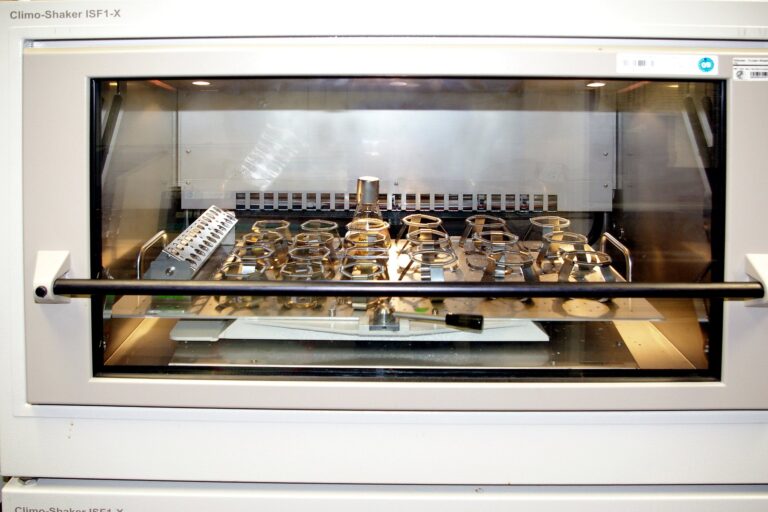
The second covers process development and contract manufacturing for companies that already have a production strain. Projects can start in 1–10 litre jar fermenters, move to 400- and 2,000-litre vessels at Spiber’s research site in Tsuruoka, and then transfer to fermenters exceeding 100 kL at its commercial plant in Rayong, Thailand. Indicative prices start at about US$2,000 for a lab-scale evaluation and US$40,000 for a 2,000-litre trial batch, while commercial-scale runs are quoted on request. Each stage can be commissioned on its own.
Target outputs include research reagents, industrial enzymes, diagnostic raw materials and food ingredients, as well as other proteins, fermentation products and microbial biomass.
Yield claims built on in-house production
Spiber’s pitch rests on its own scale-up record. Over close to two decades it built an in-house chain spanning gene design, strain construction, fermentation and purification to bring Brewed Protein, a structural protein spun into textile fibres, to commercial volumes. The company says its production strains now reach titres of 50 grams per litre in commercial facilities, stressing that this is an operating figure rather than a best-case laboratory result.
It has also published sequence-optimisation case studies. For human FGF-2, a growth factor, all five Spiber-designed sequences beat a control gene optimised by a commercial gene synthesis provider, delivering 5.9 to 9.4 times its yield. For human interferon-gamma the gains ranged from 1.1 to 2.6 times. In wider internal benchmarking against original, unoptimised sequences, Spiber reports better results for more than 90% of target proteins tested, with an average four-fold improvement and a peak of forty-fold. Performance will vary by molecule and host organism.
Why it matters for precision fermentation
Contract fermentation capacity at pilot and commercial scale remains scarce worldwide, and few operators have taken a recombinant protein of their own from bench yields to routine manufacturing. For food companies developing animal-free dairy and egg proteins, enzymes or functional ingredients, that gap often forces a hard choice: build expensive plants before demand is proven, or wait for time in third-party tanks.
Scale-up is also technically unforgiving. A strain that performs well in a small jar can behave very differently once working volume rises by several orders of magnitude, as oxygen transfer, mixing, heat removal and nutrient distribution all change. Spiber argues that keeping the same strain and process scientists on a project from first consultation through delivery reduces the risk of know-how being lost as work moves between sites.
The FGF-2 case study will also catch the eye of cultivated meat developers, for whom recombinant growth factors remain among the most expensive cell culture media inputs. Higher-yield production of those proteins is a long-standing cost target for the sector.
A new revenue line after restructuring
The service diversifies Spiber’s income. Japanese business daily Nikkei reported that the original company, founded in 2007, went through an out-of-court debt restructuring, with a new Spiber led by chief executive Maya Kawana taking over the business in April 2026. Spiber says Brewed Protein materials have now been adopted by more than 40 brands across more than 200 products.
Kawana said faster commercialisation reduces the burden of ongoing costs for customers and improves their chances of success, adding that the platform could open collaboration well beyond apparel textiles.
What to watch
The key test is whether experience gained with structural proteins in Spiber’s own hosts transfers to the varied organisms, molecules and food-grade requirements that customers will bring. Food ingredient buyers will also scrutinise regulatory documentation, food safety certification and pricing at the 100 kL tier, which Spiber has not yet detailed. The company’s strain and fermentation teams are taking project enquiries at BioJapan, booth A-05, from Oct 7 to 9.
Sources & Credits
- Spiber – SPIBER BIOFOUNDRY launch announcement
- Spiber – SPIBER BIOFOUNDRY service overview and pricing (PDF)
- IN Food – Spiber opens fermentation platform to food ingredient producers
- Nikkei – Spiber begins contract development and manufacturing of bio-materials (Japanese)
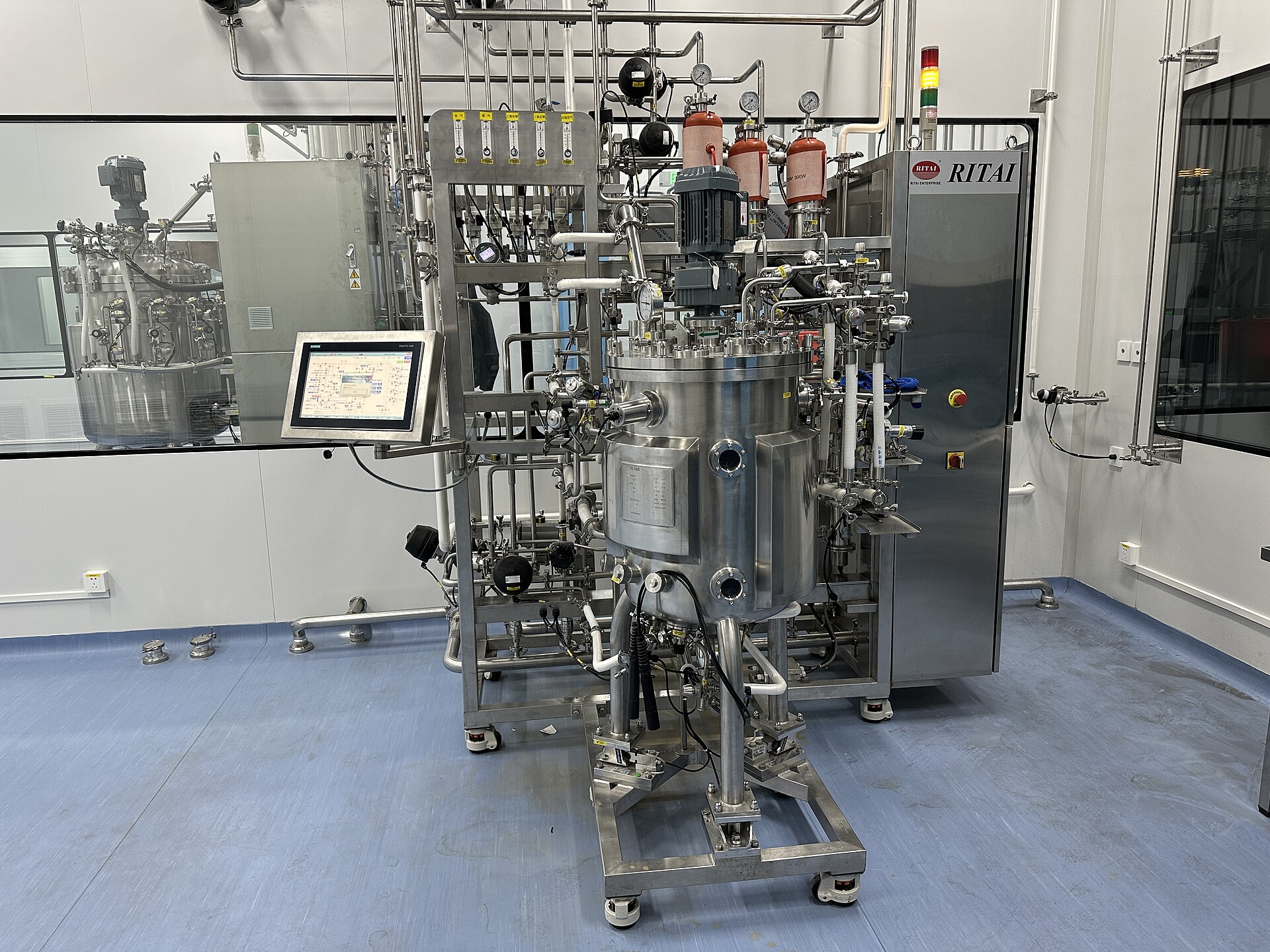
Featured image: Bioreactor in operation by Habin Zhang, via Wikimedia Commons (CC BY-SA 4.0).
Reporting is based on the publicly available sources listed above and has been independently written by Food Tech Insider.