ENOUGH Food Puts Sas van Gent Mycoprotein Plant Under Strategic Review After Continuous Fermentation Plant Missed Design Capacity
ENOUGH Food, the Scottish-founded maker of ABUNDA mycoprotein, is reviewing strategic options for its fermentation plant in Sas van Gent in the Netherlands. The options include a sale, a partnership or another use for the site’s assets. It follows three years in which the facility never reached its design capacity, cofounder Jim Laird told AgFunderNews.
The review is one of the clearest examples yet of the scale-up risk in biomass fermentation, where first-of-a-kind industrial plants have struggled to turn lab and pilot results into steady, low-cost output.
Why the continuous fermentation plant fell short
Laird, who stepped down as CEO last year but remains a non-executive director, said demand was not the problem. The difficulty lay in “translating the original technology and plant design into consistent, reliable and economically viable industrial-scale production.”
ABUNDA is produced by continuous biomass fermentation of Fusarium venenatum, the same fungal strain used to make Quorn. Continuous processes can be very productive, but only if a plant can run for long periods without contamination. According to Laird, Sas van Gent struggled to hit its target number of days of continuous operation. He said the sterility standards needed for long runs at this first-of-its-kind industrial installation were harder to achieve than expected.
Laird said the company made progress on these issues. However, parts of the as-built installation meant the plant did not deliver the performance, reliability and efficiency of the original design. After three years, he said, it became clear that a lot more time and money would be needed to unlock the facility’s full potential.
Funding climate forced the board’s hand
A tougher funding environment for growth-stage companies that need “substantial” new capital made the problem worse. Laird described the board’s decision to explore options as a pragmatic one, based on the market opportunity, the technical state of the plant and the investment still required.
ENOUGH has raised more than US$120 million in grants and equity. Its backers include World Fund, CPT Capital and Cargill. Cargill supplies feedstock to the Dutch plant from a co-located starch and sugars facility and signed commercial offtake agreements for ENOUGH’s mycoprotein in early 2024.
Laird said the company still has the backing of its existing shareholders. Some of them have provided extra money through shareholder financing arrangements to fund a restructuring and give the company time to explore its options. A charge registered at Companies House in favour of shareholder MLC 50 LP Inc relates to security for that financing, he said. He added that the arrangement does not give MLC control of the strategic review or of any asset sale, and that those decisions stay with the board.
A wider mycoprotein shakeout
ENOUGH’s review comes during a hard shakeout in fermentation-derived alternative protein. AgFunderNews notes that Meati collapsed last year, and Swedish mycoprotein producer Mycorena filed for bankruptcy in 2024 before Belgium’s Naplasol bought its assets. MycoTechnology has left the alt protein space. Nature’s Fynd is phasing out its consumer brand to focus on higher-value products in biopharma, alt-leather and food ingredients.
Other companies are still pushing ahead with different scale-up models. BMC Ingredients is taking an asset-light route through a production partner in India. The Protein Brewery, Enifer, Planetary, MicroHarvest, Infinite Roots, MAASH and Superbrewed Food are all continuing their commercialisation plans.
What it means for alt protein manufacturing
For food manufacturers and investors, the Sas van Gent plant is a useful case study. Demand and offtake agreements alone did not make a large, purpose-built continuous fermentation plant viable. Contamination control, uptime and plant design decided the economics. These are engineering risks that are hard to remove before a first commercial plant is built.
Many mycoprotein developers are now using smaller modular units, contract manufacturing or existing fermentation sites instead of greenfield megaplants. Others are aiming at feed, pet food or higher-margin ingredients. Who ends up running the Dutch plant, and for which products, will show how much value buyers see in existing fermentation capacity during the sector’s downturn.
Laird said he remains convinced of the long-term need for sustainable protein and that mycoprotein will play an important role. ENOUGH has not announced a timeline for the review or named any potential buyers or partners.
Sources & Credits
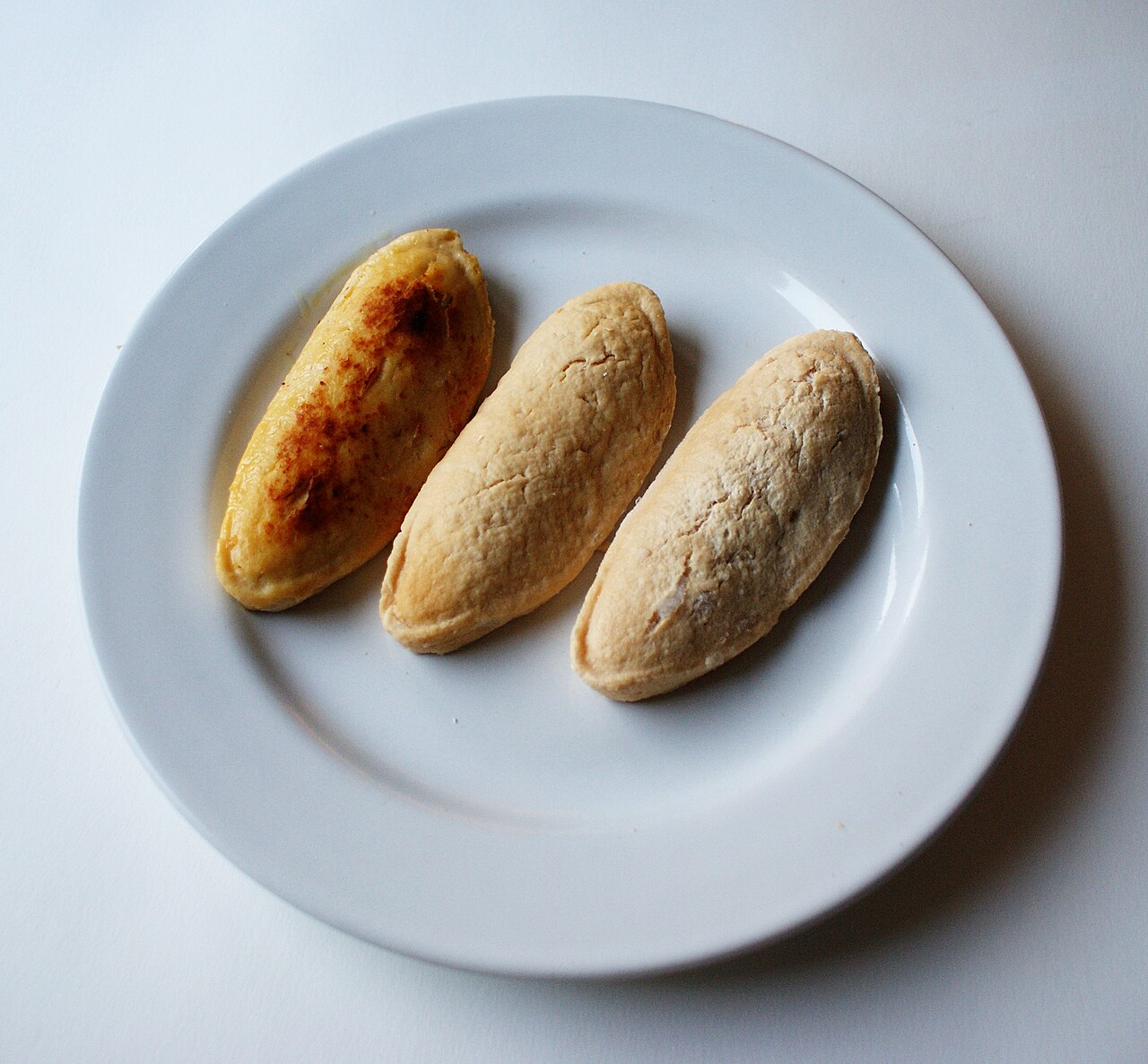
Featured image: Quorn mycoprotein fillets in different forms by Jan Ainali, via Wikimedia Commons (CC BY 3.0).
Reporting is based on the publicly available sources listed above and has been independently written by Food Tech Insider.