Amcor Launches UniPak Luma Yogurt Pot Using Injection Compression Moulding to Cut Polypropylene by Up to 35% Ahead of PPWR and EPR Fees
Amcor has launched UniPak Luma, a lighter version of its polypropylene UniPak pot for dairy, chilled and dry foods. Depending on container size, it uses up to 35% less plastic than comparable pots in the current UniPak range. The packaging group says the key is injection compression moulding (ICM). With ICM, the container can be formed with thinner walls without losing the top-load and stacking strength that dairy filling lines and retail logistics need.
The Zurich-headquartered company announced the launch on 24 November. It is aimed at cold- and ambient-filled products such as yogurt, crème fraîche and cottage cheese, and comes in 210 ml, 280 ml, 350 ml and 520 ml sizes.
How injection compression moulding cuts material
In conventional injection moulding, molten polymer is forced into a closed cavity at high pressure. To fill the mould reliably, walls often have to be thicker than the finished part needs. ICM injects the melt into a partly open mould and then closes it to compress the material into its final shape. Amcor says this forms the pot at lower pressure and spreads the polypropylene more evenly. The result is a thinner wall and a finer skirt, the flared lower rim of the pot, while keeping the strength needed for stacking and transport.
The platform also has a lightweight lid, a slimmer easy-grip skirt, improved tamper evidence and a secure snap-on closure. Amcor says the design is built for high-volume production.
“The skirt redesign has achieved two benefits – it has reduced plastic use and made the pot easier to hold,” said Katrina Burrett, product line director, Containers, at Amcor. “It’s still all manufactured from polypropylene, the tamper evidence is improved and, depending on the format, UniPak Luma removes up to a third of the plastic used in comparable UniPak containers.”
Mono-material stays, weight comes down
UniPak is already a mono-material polypropylene format. Lightweighting is the next step, and the pot remains all-polypropylene. For brands, that means weight can come out without switching to a different polymer or adding new material layers to the pack.
“Our UniPak range has been mono material for many years – weight reduction was always going to be our next target, especially as PPWR and national EPR schemes are making packaging weight more expensive to carry,” Burrett added.
Regulation is changing packaging economics
The launch reflects how regulation is reshaping the cost of packaging decisions. The EU Packaging and Packaging Waste Regulation (PPWR) and national extended producer responsibility (EPR) schemes increasingly link the fees producers pay to the weight and type of packaging they put on the market. Amcor notes that packaging weight is one factor in compliance costs in many jurisdictions. Lightweighting is therefore one way for brands to reduce material use and possibly lower packaging-related fees.
The economics add up for dairy processors in particular. Yogurt and cottage cheese pots are sold in very high volumes, so small per-unit reductions in resin translate into large tonnage savings across a product line. Cultured dairy volumes are growing: USDA data released this week show record US yogurt consumption and an 11% rise in cottage cheese consumption in 2025.
What processors should check
Amcor has not published per-format weights, cost data or the plants where UniPak Luma will be made. It also has not said whether existing UniPak filling and lidding lines can switch over without changes. Processors considering the format will want to validate thinner-wall pots on their own filling, sealing and palletising equipment, and check top-load performance under their cold-chain and distribution conditions. Lighter rigid containers often succeed or fail on those operational details.
The launch shows a broader shift in food packaging engineering. Lightweighting used to be a cost-saving exercise. Under PPWR and EPR, it is becoming a regulatory and financial priority, and manufacturing process technologies such as ICM are central to delivering it in high-volume dairy and chilled food formats.
Sources & Credits
- Amcor – Amcor launches UniPak Luma with up to 35% less plastic for dairy and food applications (24 Nov 2026)
- Packaging Scotland – New packaging solution reduces plastic content in dairy and food pots (Nov 2026)
- IDFA – Americans Are Consuming More Dairy as Demand for Nutrient-Dense Foods and High-Quality Protein Grows (23 Nov 2026)
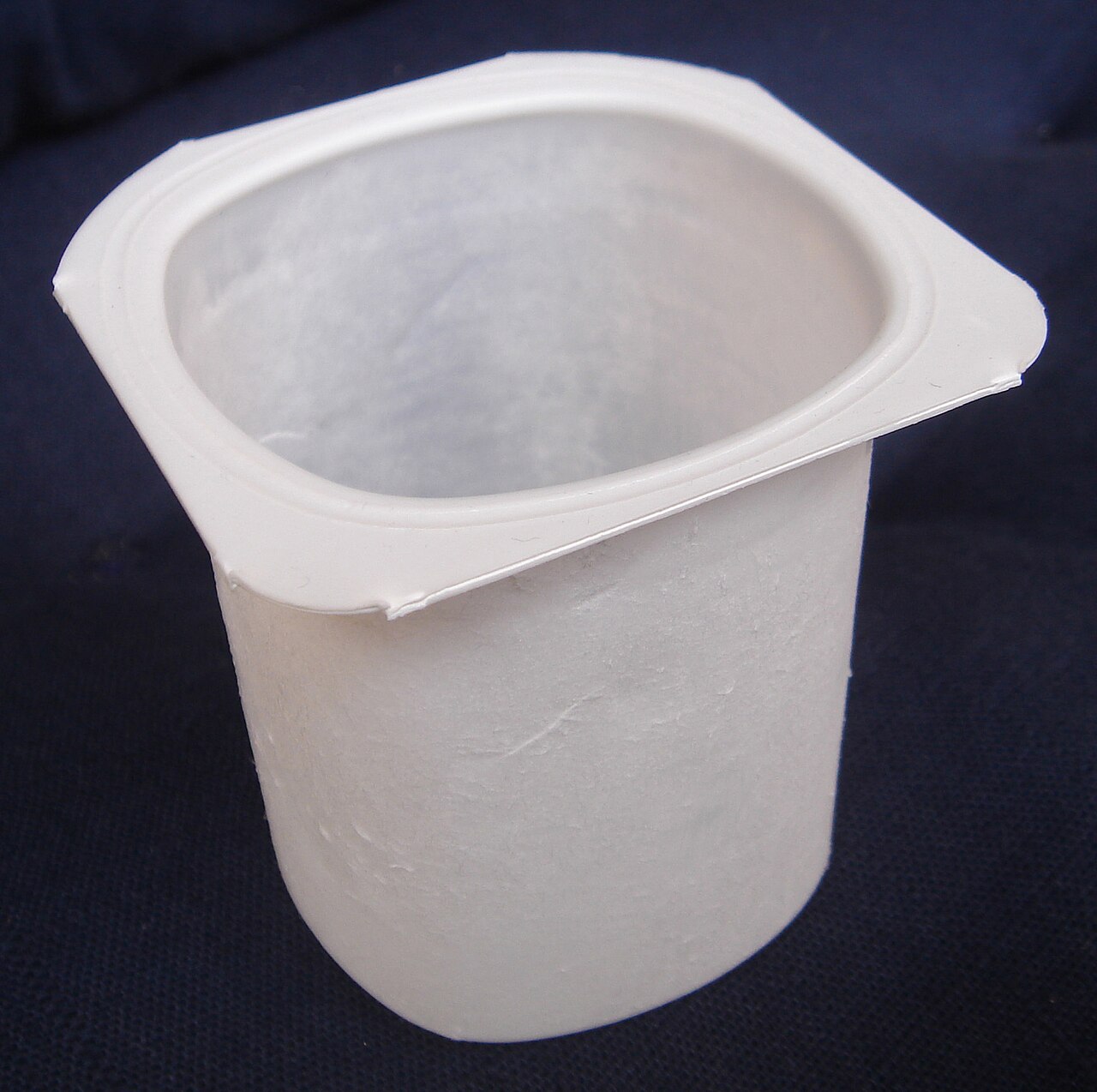
Featured image: Envase de yogur (yoghurt pot) by Hispalois, via Wikimedia Commons (CC BY-SA 3.0).
Reporting is based on the publicly available sources listed above and has been independently written by Food Tech Insider.