Stacked Farm Opens A$45M Vertical Farming Startup Funding Round for Melbourne Mega-Farm and California Expansion
Australian controlled-environment grower Stacked Farm has opened an A$45 million capital raise to fund working capital for its Melbourne mega-farm ramp and US expansion, a concrete test of vertical farming startup funding after several high-profile US indoor-farm failures. Business News Australia reported the raise on 13 October 2026; the company’s own site confirms it is raising A$45 million for US expansion and the Melbourne Airport Farm opening, while AgFunderNews followed on 28 October with founder Daniel Tzvetkoff detailing the operating playbook behind the push.
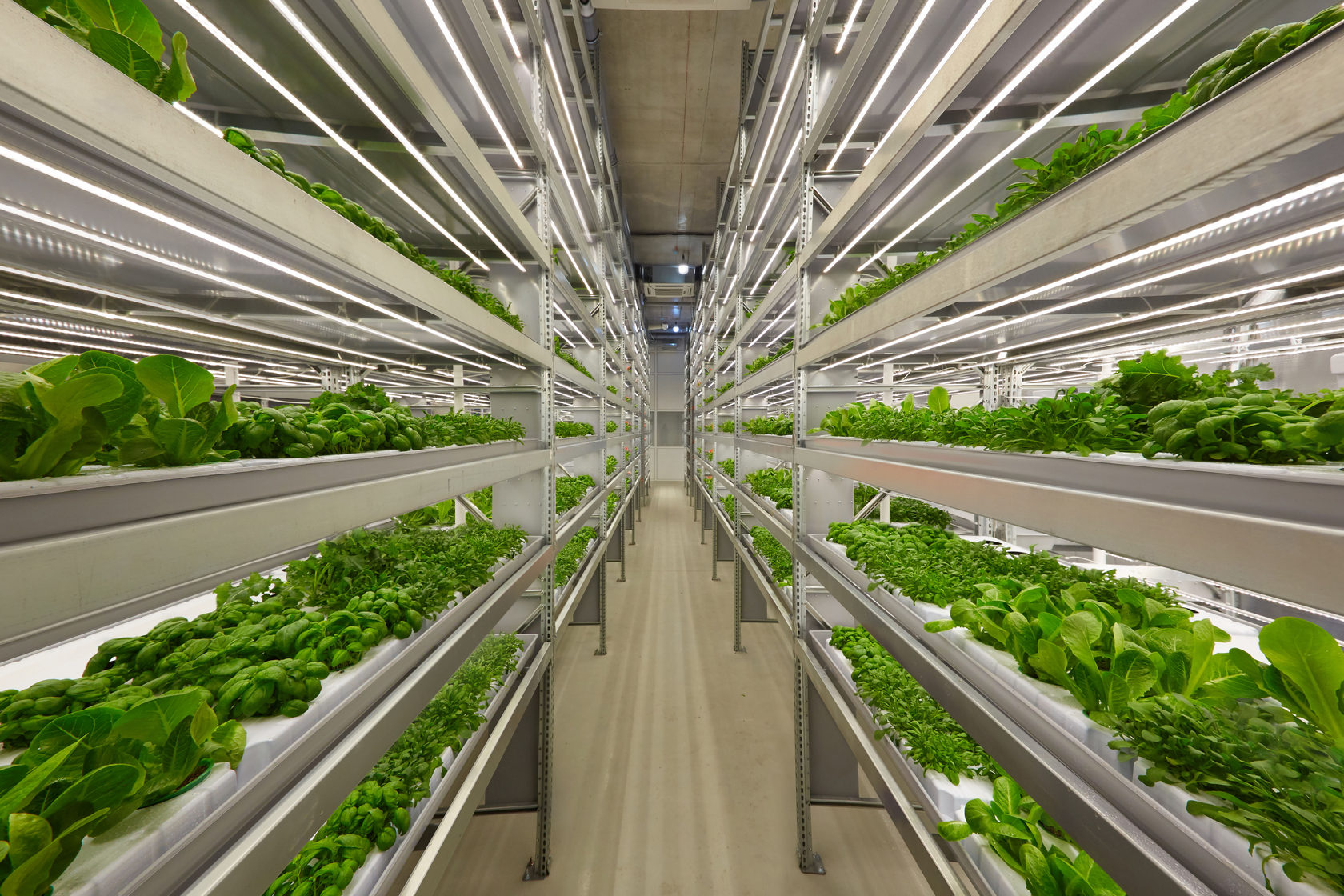
Stacked Farm designs, builds and operates its own automated vertical farms for leafy greens and herbs. It has grown commercially at its Gold Coast Farm & Innovation Centre since 2024, broke ground on a Menifee, California, farm in September 2026 (targeted to open in 2028), and opened a Las Vegas innovation centre in 2026 as a US R&D and customer-proving site.
How the A$45 million raise is meant to be used
According to Business News Australia, the A$45 million round is working capital across Australian and US operations as the company prepares a A$150 million Melbourne facility engineered for roughly 3.4 million kilograms of leafy greens and herbs a year, and advances a planned US$126 million production farm in Southern California backed by long-term West Coast wholesale agreements. Stacked Farm says each new mega-farm is engineered for about 2,500–3,000 tonnes of greens a year; its site lists Melbourne first harvest in 2027 and Menifee opening in 2028.
Tzvetkoff told AgFunderNews the company spent a decade proving automation in Australia’s high labour and energy-cost environment before scaling abroad, contrasting that with US peers that raised large venture rounds and tried to fix unit economics later. Stacked Farm develops lighting, automation and growing methods in-house, manufactures and commissions its own facilities, and says lower-heat lighting reduces HVAC load. It reports long-term US supply agreements with Great West Produce, Lagudi Fresh Food Group and retail distributor Mana Foods, and says it is securing land in Georgia, Pennsylvania and Texas with a plan to open about two US facilities a year.
What investors and produce buyers should watch
The raise lands against a cautious backdrop for vertical farming capital after earlier US collapses that Food Tech Insider covered when Plantible’s duckweed finance coincided with broader sector stress. Stacked Farm’s pitch is repeatability: identical farm designs, customer offtake before megascale openings, and owner-operator control rather than building farms for third parties. That is a strategy claim, not yet a public proof of US profitability.
Buyers and investors should separate announced facility economics from closed financing. The A$45 million raise was described as launched, not closed; California farm financing was separately described as in late stages; and capacity figures are company projections. Useful diligence questions include energy cost per kilogram at Gold Coast versus modelled Melbourne and Menifee sites, realised sell-through under existing wholesale contracts, and how much of the raise is equity versus other instruments. For the category, the October announcements are still among the clearer recent examples of vertical farming startup funding tied to named farms, dates and customer pipelines rather than concept slides alone.
Sources & Credits
- Business News Australia – Stacked Farm raising $45m to expand its US base (13 Oct 2026)
- AgFunderNews – Stacked Farm outlines the long game for vertical farming ahead of US expansion (28 Oct 2026)
- Stacked Farm – company site (farms, A$45m raise, Melbourne and Menifee timelines)
- Stacked Farm – About (timeline and farm locations)
Featured image: IFarm.fi Vertical farm Finland by ifarm.fi, via Wikimedia Commons (CC BY-SA 4.0).
Reporting is based on the publicly available sources listed above and has been independently written by Food Tech Insider.