GFI India and CSIR-IHBT Study Finds Plant-Based Seekh Kebabs, Patties and Nuggets Deliver Higher Bioavailable Protein Than Meat
Plant-based meat products sold in India can deliver as much absorbable protein as their animal-based counterparts, and in several formats considerably more, according to a technical brief from the Good Food Institute (GFI) India and the CSIR-Institute of Himalayan Bioresource Technology (CSIR-IHBT). The study argues that protein content on a label says little about how much protein the body can actually use, and urges manufacturers to design products around digestibility and bioavailability rather than grams per serving.
The report, titled Protein quality and bioavailability of indigenous crop-based ingredients and plant-based meat products in India, was launched at the CSIR Science Centre in late October and drew wider industry attention this week after trade coverage by Green Queen.
How the study measured protein quality
The researchers used a laboratory model of human gastrointestinal digestion followed by ultrafiltration. That approach measures the free amino acids released during digestion that pass through a membrane, which the authors treat as the fraction potentially available for absorption. They applied the same framework to raw indigenous crops, processed ingredients made from millets and pulses, and five commercially available plant-based meat products tested in cooked form against conventional equivalents.
Plant-based kebabs, patties and nuggets outscore meat
According to the results reported by the partners, the cooked plant-based products showed a higher percentage of bioavailable protein than the matching animal products in every format tested:
- Seekh kebabs: two plant-based versions recorded 81% and 86% protein bioavailability, against 39% for a chicken seekh kebab.
- Patties: two plant-based patties scored 57% and 58%, compared with 21% for the conventional meat patty, even though the meat patty contained more crude protein.
- Nuggets: plant-based nuggets reached 61%, compared with 43% for chicken nuggets.
Cooking increased or retained the bioaccessible and bioavailable protein fractions in four of the five plant-based formats, while it reduced them in some conventional meat products. The authors suggest that protein concentrates which have already been processed and partly restructured may be easier for digestive enzymes to reach.
Processing choices matter for millets and pulses
For ingredient makers, the brief’s main finding is that processing can change how much protein is digested without changing total protein content. The best route depends on the crop and on what limits its digestion:
- Sprouting and fermentation improved the bioavailable fraction in millets.
- Pressure cooking nearly quadrupled bioavailable protein in cowpea and raised it in chickpea, while fermentation more than tripled it in mung beans.
- Wet fractionation produced higher protein concentration and a larger bioavailable fraction, suited to nutrition-led applications. Dry fractionation better preserved solubility, which favours functionality-driven and clean-label uses.
An import gap and a labelling opportunity
CSIR-IHBT director Sudesh Kumar Yadav noted that India imports most of its plant protein concentrates and isolates despite being the world’s largest producer of millets and pulses, and said robust evidence is needed to position indigenous crops for nutritional outcomes. Shantanu Das, vice president and head of food science at ITC, said India meets the requirement of more than 50g of protein a day, but that once digestibility is accounted for, intake is less than 40% of what is needed.
“India’s plant-based sector also can benefit from marketing nutrition claims beyond just grams of protein,” said Padma Ishwarya, senior scientist at GFI India and a co-author of the brief.
The authors recommend that product developers set nutritional targets covering amino acid quality, digestibility and bioavailability alongside cost, sensory performance and processing yield. They also suggest that validated protein quality metrics could be included in certificates of analysis for protein ingredients, and that public funding should support crop screening, fractionation and scale-up of local protein crops.
What it means for alternative protein makers
The comparison covers only five commercial products and uses an in vitro model rather than human trials, so it is not a definitive verdict on plant versus animal protein. It does, however, give Indian plant-based brands and ingredient suppliers data they can use in an argument often lost on pack: absorbable protein per serving, not just headline grams.
For processors, the practical message is to test protein quality after the steps consumers actually follow, such as frying or pressure cooking, and to treat fermentation, sprouting and fractionation choices as nutrition levers as well as functionality tools. As protein demand grows in India, suppliers that can document digestibility may find it easier to win over food manufacturers and institutional buyers.
Sources & Credits
- GFI India – Protein quality and bioavailability of indigenous crop-based ingredients and plant-based meat products in India (technical brief)
- Green Queen – In India, Plant-Based Foods Have Higher Protein Bioavailability Than Meat (9 Nov 2026)
- The Hindu BusinessLine – Study finds plant-based meat offers more absorbable protein than chicken (28 Oct 2026)
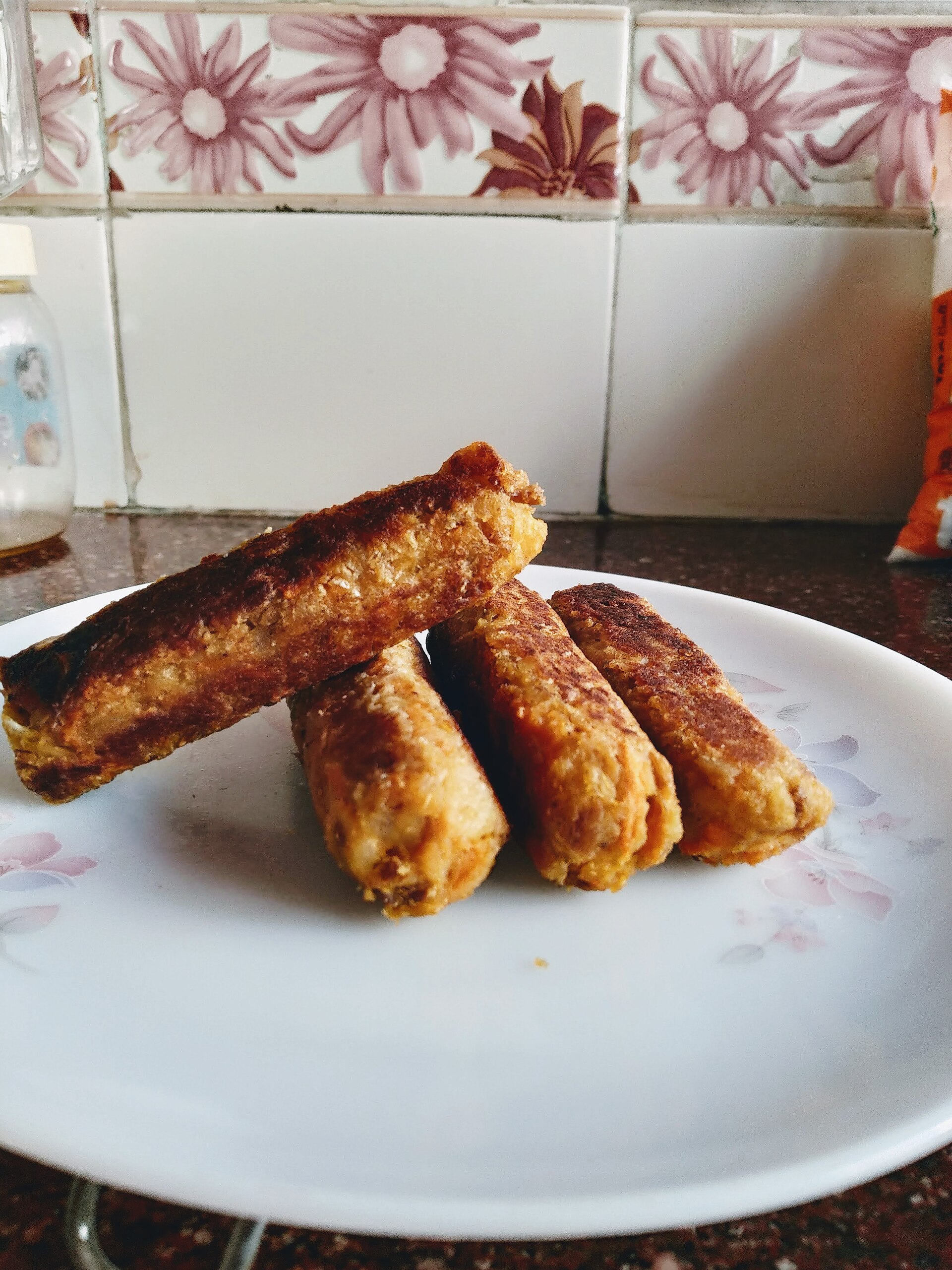
Featured image: Veg Seekh kebab by Meghana Mohanty, via Wikimedia Commons (CC BY-SA 4.0).
Reporting is based on the publicly available sources listed above and has been independently written by Food Tech Insider.